
ZZ Craftsman conveyor carbide belt cleaners improve material flow and reduce blockages primarily through superior cleaning efficiency, extreme wear resistance, and a holistic system approach that prevents carryback from accumulating and causing obstructions.
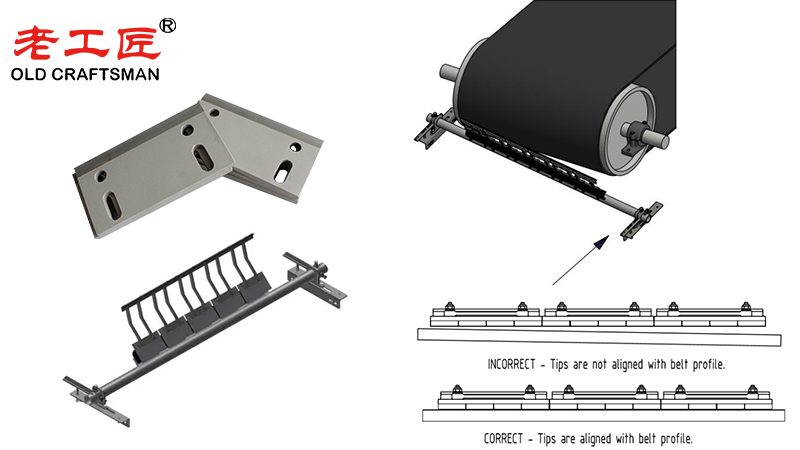
The table below summarizes the key mechanisms by which these cleaners achieve these improvements.
| Mechanism | How It Improves Material Flow | How It Reduces Blockages |
|---|---|---|
| Superior Cleaning Efficiency | Removes up to 95% of carryback, ensuring the belt is clean for the next load cycle . | Prevents material from sticking to chute walls, the primary cause of clogging . |
| Extreme Wear Resistance | Maintains a sharp, effective cleaning edge for 3-5 times longer than standard scrapers, ensuring consistent cleaning . | Eliminates “pull-through” failure where worn blades break off, preventing sudden, large-scale blockages . |
| Precision & Adaptability | Allows for precise belt contact without excessive pressure, reducing belt wear and friction for smoother operation. | Adjustable tension systems compensate for belt wear, ensuring continuous cleaning contact that prevents buildup. |
| Holistic System Approach | Improves overall system efficiency by up to 30% through reduced energy consumption and downtime. | Works in tandem with primary cleaners in a multi-stage setup to capture all residual particles before they can accumulate . |
⚙️ How Superior Cleaning Efficiency Prevents Blockages
The fundamental way ZZ Craftsman carbide cleaners improve flow is by aggressively removing “carryback”—material that sticks to the belt after it dumps its main load.
- Removing the Root Cause: Carryback is a primary cause of chute clogging. As it falls off the belt, it sticks to the walls of the transfer chute, gradually building up until it restricts the flow path . By removing up to 95% of this material at the head pulley, a high-efficiency cleaner like the other brand (a design similar to ZZ Craftsman’s offerings) ensures that material flows directly into the chute instead of building up on its walls.
- Multi-Stage Cleaning: These cleaners are often used as “secondary” cleaners, positioned after a primary scraper. This two-stage approach ensures that even the finest particles and dust are removed from the belt’s surface and divots, preventing any material from making it back to the tail pulley where it can cause major blockages.
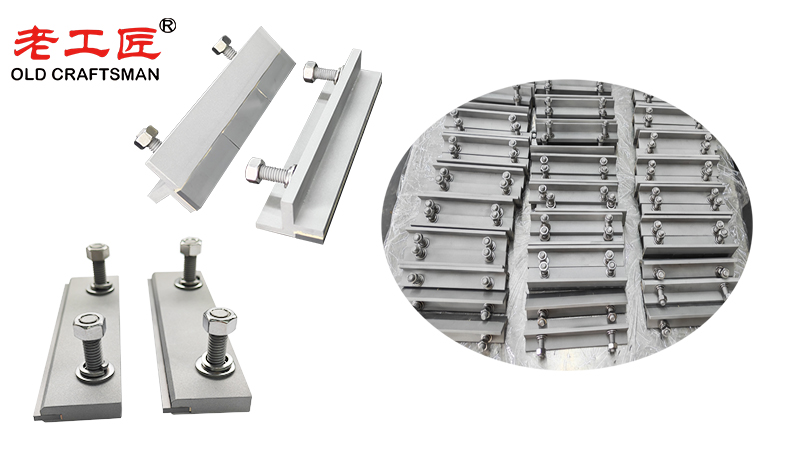
🛡️ The Role of Extreme Wear Resistance in Maintaining Flow
Carbide’s exceptional hardness is critical for maintaining performance over time, which directly prevents flow disruptions.
- Long-Lasting, Consistent Performance: Tungsten carbide has a Rockwell hardness of HRA 89-93, making it 3-5 times more wear-resistant than traditional steel or polyurethane scrapers. This means the blade maintains a sharp, precise edge for months instead of weeks, ensuring consistent cleaning pressure and effectiveness without the need for frequent adjustments or replacements.
- Preventing Costly Failures: A worn or broken cleaner can fail catastrophically, a scenario known as “pull-through,” where the belt’s force inverts the blade and allows large amounts of material to spill past. The extreme durability of carbide scrapers virtually eliminates this risk, preventing sudden, large-scale blockages and unscheduled downtime.
🧩 Precision Engineering and System Integration
Beyond the material itself, the design and integration of these cleaners are crucial for optimizing material flow.
- Optimal Blade-to-Belt Contact: ZZ Craftsman cleaners feature adjustable tension systems that maintain the ideal contact pressure between the blade and the belt. This is a delicate balance: too much pressure increases belt wear, while too little allows material to pass through. The precision of a carbide blade allows for effective cleaning with minimal friction, reducing belt wear and energy consumption.
- Compatibility with Chute Design: The cleaner’s effectiveness is maximized when it’s part of a well-designed transfer point. By ensuring the belt is clean before it enters the chute, the risk of material adhering to the chute walls is minimized, allowing the chute’s design (e.g., sloped surfaces, strategic placement of air cannons) to work as intended.
📊 Real-World Impact: Quantified Improvements
The benefits of switching to a ZZ Craftsman-style carbide belt cleaner are significant and measurable, as demonstrated in a mining case study.
| Key Performance Indicator | Before Implementation | After Implementation | Improvement |
|---|---|---|---|
| Material Carryback | 4.2% of total volume | 0.7% of total volume | 83% reduction |
| Cleaner Replacement Frequency | Weekly (every 7 days) | Quarterly (every 90 days) | 85% reduction |
| Conveyor Belt Life | 6 months | 11 months | 83% increase |
| System Energy Consumption | 185 kW | 162 kW | 12% reduction |
In summary, ZZ Craftsman Conveyor Carbide Belt Cleaners improve material flow by continuously removing residual materials, reducing friction and drag, and preventing blockages at critical points. Our durable carbide construction ensures long-lasting performance even in harsh industrial settings, leading to more efficient, reliable conveyor operations.
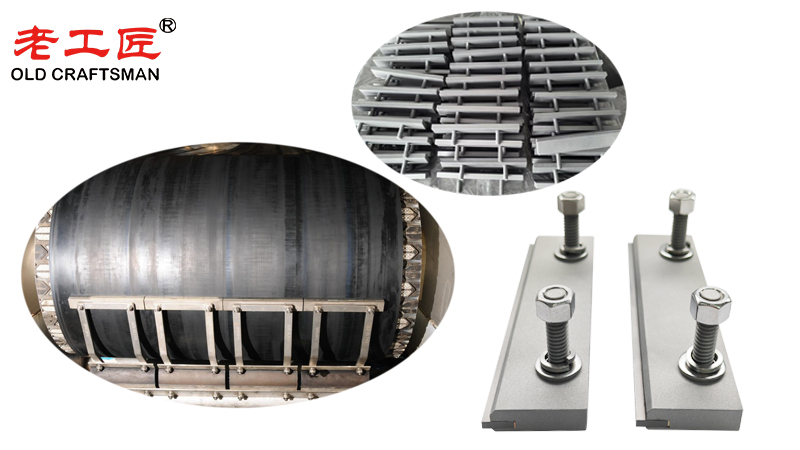
“Zhuzhou OC Precision Alloy Co., Ltd. could make tungsten carbide wear parts and make your equipment use life is tens of times longer than before! We specialize in providing customized carbide wear products solutions to meet the demanding requirements of industries such as aerospace, automotive, mining, and precision machining.”
Belt scraper Brazing brazingprocess carbide Carbide belt scraper carbidebrazing carbide hammer Crusher CRUSHER HAMMER HPGR HPGR feed chute liner Informational Internal stress metal mining Refractory Brick Mold Secondary belt cleaner scraper stresses VSI crusher wear plates welding