
Based on the available information, maximizing the life of Old Craftsman-branded carbide intensive mixer blades involves strategic operation, maintenance, and understanding the unique properties of the blades.
While the search results provide extensive technical information on tungsten carbide blades for industrial intensive mixers , they do not contain a specific maintenance guide for this product line. However, the general principles of maximizing carbide tool life in demanding mixing environments can be applied.
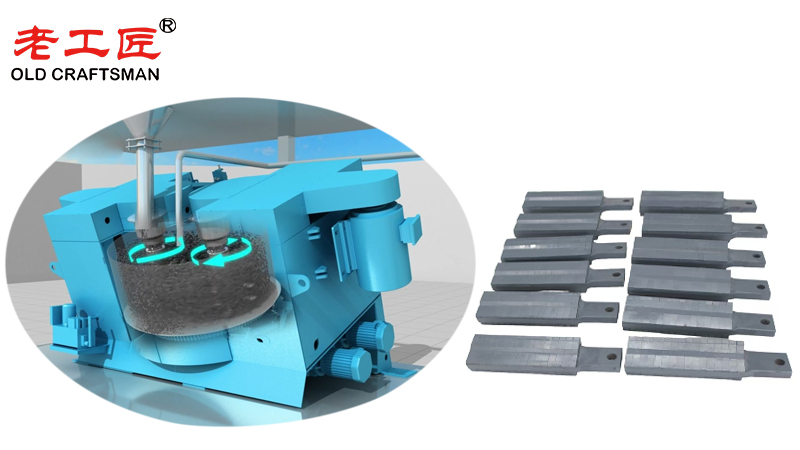
Why Mixer Blade Wear Matters
The working edges of intensive mixer blades are continuously exposed to abrasion, impact, pressure, and, depending on the application, elevated temperatures or corrosive materials. Conventional alloy or stainless-steel blades can gradually lose their original profile, resulting in changes to material flow and mixing performance.
For manufacturers, this can create several problems:
- Frequent blade replacement and maintenance
- Increased equipment downtime
- Inconsistent mixing performance
- Higher spare-parts consumption
- Increased risk of metallic contamination
- Rising operating and maintenance costs
Research on tungsten carbide used in mixer applications has also demonstrated superior wear resistance compared with conventional wear-resistant steel, particularly for abrasive environments.
The Old Craftsman Carbide Advantage
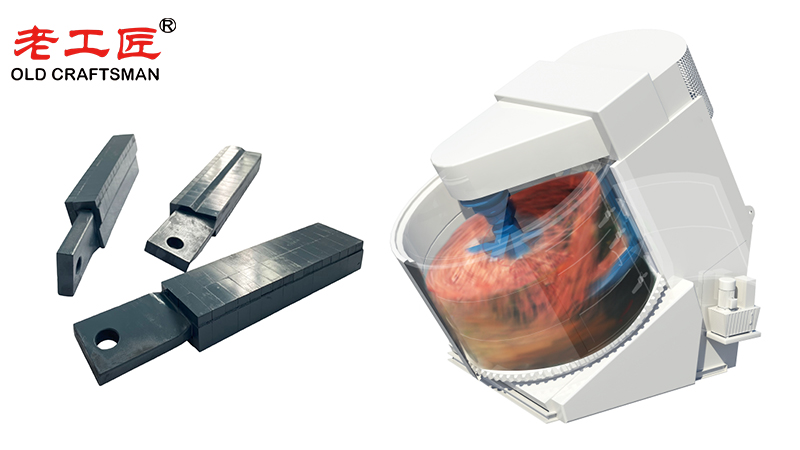
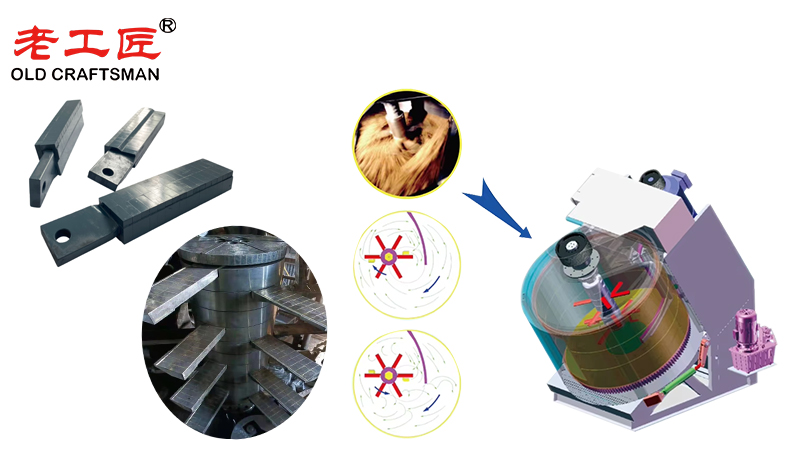
Old Craftsman intensive mixer blades combine a tough steel blade body with strategically applied tungsten carbide wear components. Instead of relying on a conventional steel working surface, the high-wear areas are protected by cemented carbide, providing a harder and more wear-resistant interface.
The carbide and steel combination is particularly valuable because the two materials provide complementary properties. Tungsten carbide delivers high hardness and abrasion resistance, while the steel body provides mechanical toughness and structural support.
Old Craftsman uses vacuum brazing to join carbide components to the steel blade. This manufacturing approach is designed to provide a strong bond while reducing problems associated with improper brazing or localized thermal stress. The company states that its vacuum-brazed intensive mixer blades can be customized according to the customer’s equipment and operating conditions.
Maintaining Blade Geometry for Longer
One of the key benefits of wear-resistant carbide is the ability to maintain the blade’s working profile for longer.
As a conventional steel blade wears, its edge becomes rounded and its dimensions gradually change. This can affect the clearance between the blade and mixer chamber and alter the way materials are sheared, dispersed, and blended.
A carbide-protected working edge can significantly slow this dimensional change. The result is more stable mixing performance and more consistent processing conditions over a longer operating period.
Reducing Downtime and Maintenance Costs
Replacing mixer blades requires more than the cost of the replacement components. Production must often be stopped, equipment must be opened, worn parts must be removed, and new blades must be installed and adjusted.
By extending the service life of critical wear areas, carbide intensive mixer blades can reduce the frequency of these maintenance interventions. Fewer blade changes mean more available production time and less labor associated with routine maintenance.
For high-abrasion applications, this can make the total cost of ownership more important than the initial purchase price. The right carbide grade, blade geometry, brazing method, and carbide coverage should therefore be selected according to the actual operating conditions rather than simply choosing the hardest available material.
Customized for Demanding Applications
No two intensive mixing processes are exactly the same. Material hardness, particle size, mixer speed, temperature, batch weight, impact conditions, and operating cycle can all influence blade wear.
Old Craftsman can select carbide grades and blade configurations according to the application. Its intensive mixer blades are designed for demanding applications including refractory material processing and other abrasive mixing operations. The manufacturer reports field performance of approximately 350–400 cycles at 1,500 kg per cycle, or at least 15 days of continuous operation, depending on operating conditions.
Conclusion
Maximizing intensive mixer equipment life starts with protecting the components that experience the most severe wear. Old Craftsman carbide intensive mixer blades combine tungsten carbide’s high wear resistance with the toughness of a steel blade body and the strong joining characteristics of vacuum brazing.
For abrasive mixing applications, this design can help maintain blade geometry, stabilize mixing performance, reduce replacement frequency, minimize downtime, and lower long-term maintenance costs.
By selecting the appropriate carbide grade and blade design for the specific material and operating environment, manufacturers can turn a frequently replaced wear component into a longer-lasting part of their production system.
“Zhuzhou OC Precision Alloy Co., Ltd. could make tungsten carbide wear parts and make your equipment use life is tens of times longer than before! We specialize in providing customized carbide wear products solutions to meet the demanding requirements of industries such as aerospace, automotive, mining, and precision machining.”
Belt scraper Brazing brazingprocess carbide Carbide belt scraper carbidebrazing carbide hammer Crusher CRUSHER HAMMER HPGR HPGR feed chute liner Informational Internal stress metal mining Refractory Brick Mold Secondary belt cleaner scraper stresses VSI crusher wear plates welding