
In high-abrasion mining environments, selecting the correct carbide drag plate is a critical decision that directly impacts operational costs and downtime. At its core, the choice is a balance between two opposing material properties: abrasion resistance (hardness) and toughness (impact resistance). A plate that is too hard may fracture under impact, while one that is too tough may wear out prematurely.
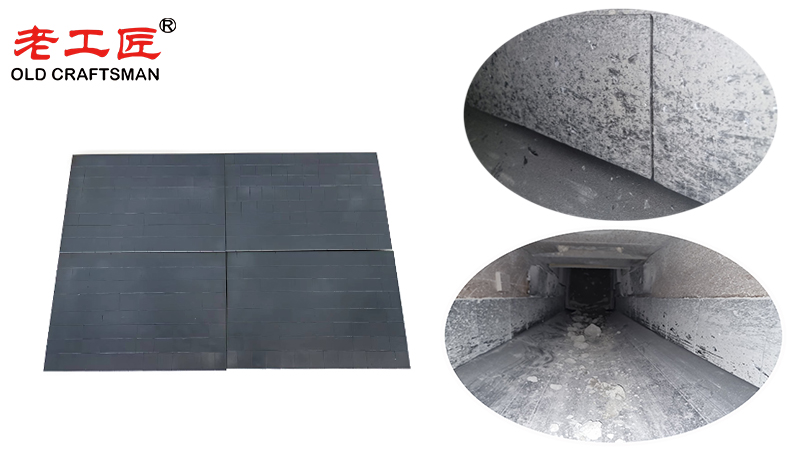
Key Material Variables to Consider
The performance of a tungsten carbide drag plate is determined by its microstructure, specifically the grain size of the tungsten carbide particles and the binder content (usually cobalt) that holds them together.
- Grain Size and Binder Content: For high-impact mining applications, coarse or extra-coarse grain grades with higher binder content (typically 6-15% cobalt) are generally preferred. This combination provides high fracture toughness, allowing the plate to withstand heavy impacts from falling ore without cracking. Conversely, medium-coarse grades with lower binder content offer higher hardness for superior abrasion resistance, but are more prone to fracture under impact and are better suited for less severe conditions.
The following table summarizes this relationship:
| Material Property | Fine Grain / Low Binder | Coarse Grain / High Binder |
|---|---|---|
| Abrasion Resistance | High | Lower |
| Toughness (Impact Resistance) | Lower | High |
| Typical Application | Hard formations, less impact, high wear | Soft formations, high impact, extreme shock loads |
Practical Selection Steps
- Analyze the Application Environment: First, assess the primary failure mechanism at your transfer point.
- High Impact: If you are handling large, jagged rocks dropping from a significant height, fracture is your main risk. Prioritize toughness. Select a drag plate with a coarse or extra-coarse grain and a higher cobalt binder content. This grade acts like “sacrificial armor,” absorbing impacts that would otherwise damage the conveyor belt.
- High Abrasion, Low Impact: If you are transferring fine, abrasive material like taconite or sand with minimal impact, wear is the primary concern. A medium-coarse grain with lower binder content will offer extended life against the sliding abrasion of fine particles.
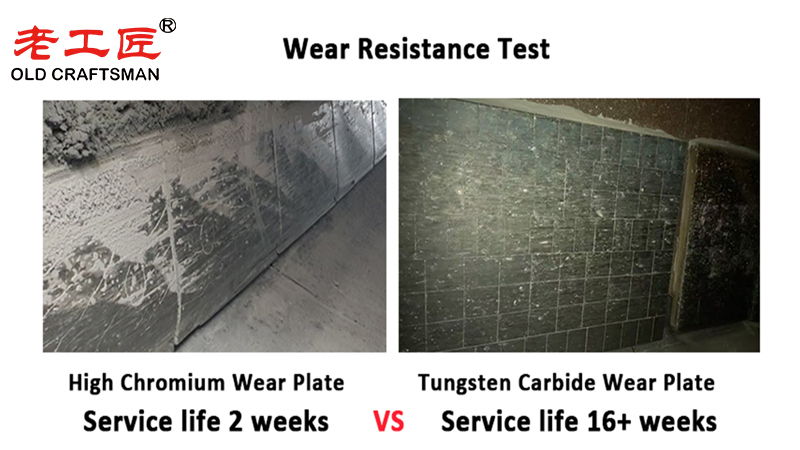
- Evaluate Cost vs. Service Life: The primary advantage of a correctly chosen carbide plate is longevity. Standard steel plates can wear out in weeks under heavy loads, while carbide plates can last 3 to 5 times longer, or in some case studies, even more than 20 times longer than standard high-chromium iron. This extended life cycle drastically reduces maintenance frequency and downtime, justifying the higher initial cost.
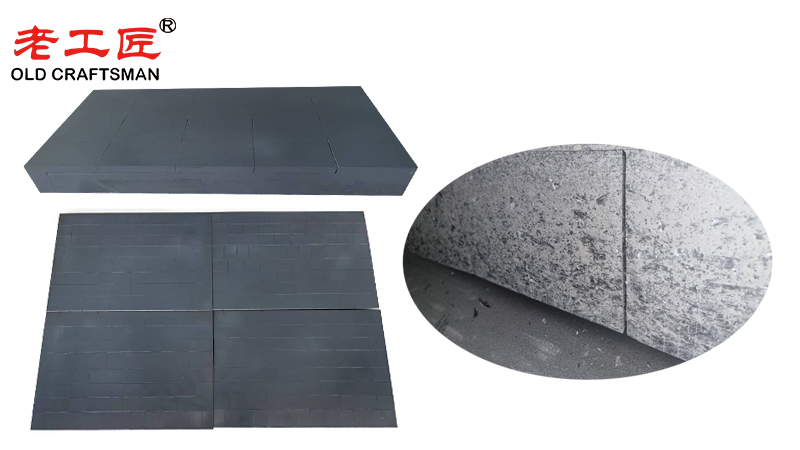
- Inspect the Manufacturing Quality: Look for plates manufactured using robust processes like vacuum brazing, which fuses the carbide blocks to a steel backing plate. This ensures a strong bond that prevents the carbide from delaminating under stress.
A Note on Alternatives
While tungsten carbide offers the highest abrasion resistance, it is important to be aware of alternatives that are sometimes used in less demanding zones. For instance, High Chromium White Cast Iron (HCWCI) is a popular, lower-cost material for liners due to its good abrasion and corrosion resistance. However, for the most severe applications where maximum protection is needed, tungsten carbide remains the premium choice.
Summary
To choose the right drag plate, start by defining your main challenge: is it impact or abrasion? For severe impact, choose a coarse-grade, high-cobalt plate. For severe abrasion with minimal impact, a harder, medium-coarse grade will perform better. Always prioritize long-term cost-per-ton and proven manufacturing quality over the initial purchase price.
“Zhuzhou OC Precision Alloy Co., Ltd. could make tungsten carbide wear parts and make your equipment use life is tens of times longer than before! We specialize in providing customized carbide wear products solutions to meet the demanding requirements of industries such as aerospace, automotive, mining, and precision machining.”
Belt scraper Brazing brazingprocess carbide Carbide belt scraper carbidebrazing carbide hammer Crusher CRUSHER HAMMER HPGR HPGR feed chute liner Informational Internal stress metal mining Refractory Brick Mold Secondary belt cleaner scraper stresses VSI crusher wear plates welding