
In the high-stakes world of mining, every minute of downtime translates directly into lost revenue. Conveyor systems are the circulatory system of any mine, moving thousands of tons of material per hour. Yet, one of the most persistent operational headaches is carryback—material that sticks to the belt after discharge.
Carryback doesn’t just waste product; it builds up on idlers, clogs chutes, accelerates belt wear, and creates costly cleanup hazards. The solution? Optimizing your conveyor system with Carbide Belt Cleaners. When implemented correctly, these rugged tools are the ultimate defense against material buildup.
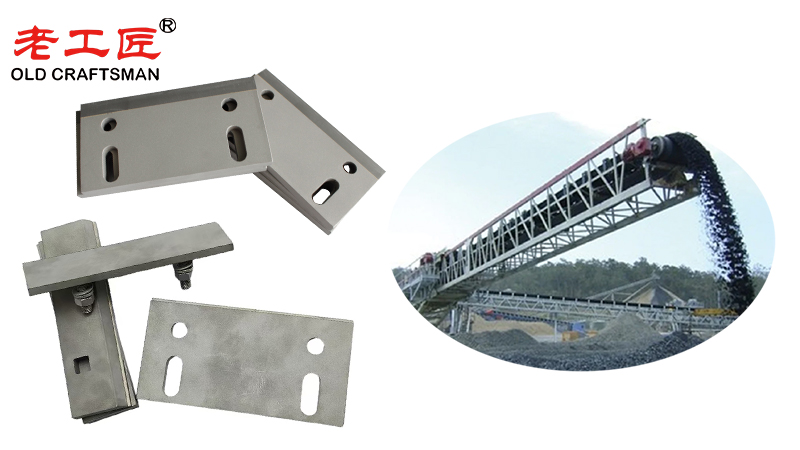
Why Carbide?
While polyurethane and rubber blades have their place, nothing matches the durability of tungsten carbide in a mining environment. Carbide is extremely hard (second only to diamond) and resistant to abrasion.
Here is why carbide is the gold standard for primary and secondary cleaners:
- Extreme Wear Resistance: Carbide tips handle sharp, heavy ores and aggregates without disintegrating.
- Heat Dissipation: Carbide handles belt friction heat better than polymers, preventing “smearing” of sticky material.
- Longer Service Life: One carbide blade often lasts 4-5 times longer than a steel or rubber equivalent, reducing maintenance frequency.
4 Steps to Optimization
Swapping a blade isn’t enough. Optimization requires a system-level approach.
1. Position the Primary Cleaner Correctly
The primary cleaner (usually the first defense) must be mounted on the head pulley just after the discharge trajectory. For maximum efficiency, install the carbide-tipped primary cleaner at a 15- to 20-degree angle relative to the belt. This “skiving” action cuts through wet, sticky fines rather than just pushing them.
2. Don’t Skip the Secondary Cleaner
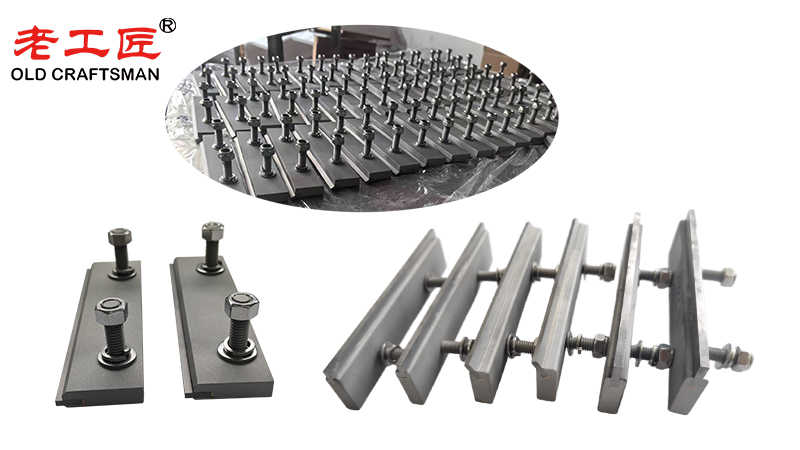
A single blade often fails to remove material lodged in the belt’s crevices. Install a secondary carbide cleaner further down the return side. Use segmented carbide blades that conform to the belt surface. These are critical for belts with mechanical splices; individual segments move independently, preventing the splice from ripping out the entire blade.
3. Master the Tension Game
Carbide is hard, but it isn’t magic. Insufficient tension means the cleaner won’t scrape effectively. Excessive tension creates friction, heat, and belt wear.
- The Goal: Apply just enough pressure (usually 10-15 lbs per inch of width) to sever material adhesion without glazing the belt surface.
- The Tool: Use hydraulic or pneumatic tensioners to maintain constant pressure as the carbide tips wear down naturally.
4. Strategic Spacing & Maintenance Routing
Do not place your cleaner arbitrarily. Optimize by spacing the primary and secondary cleaners at least 18-24 inches apart on the return strand. This allows dislodged material to fall away before hitting the second blade.
Schedule blade inspections bi-weekly. However, because carbide lasts longer, inspect the mounting hardware more often than the tip. A loose mount ruins alignment faster than worn carbide.
The ROI of Optimization
When you optimize carbide cleaners correctly, the mine sees immediate gains:
- Reduced Spillage: Less shoveling labor and lower risk of tripping hazards.
- Longer Belt Life: Eliminating abrasive carryback stops the “sandpaper effect” on the pulley and belt cover.
- Lower Power Draw: A clean belt tracks straighter and requires less horsepower to turn.
A Word of Caution
Carbide belt cleaners are not one-size-fits-all. They are aggressive. Never use carbide on bare steel cable belts (they require urethane) or severely damaged belts where the rubber cover is missing. Always ensure the belt is fully vulcanized or has protected mechanical splices.
Final Cut
Optimizing your mining conveyor isn’t about buying the most expensive cleaner; it’s about engineering the right interface between the carbide tip and the belt surface. By selecting the correct grade of carbide, maintaining optimal tension, and using a primary/secondary pair, you eliminate carryback at the source.
Stop sweeping the floor and start moving material. A well-optimized carbide belt cleaner system will pay for itself in less than three months through reduced downtime and labor savings alone. It’s time to let your conveyor do its job—cleanly.
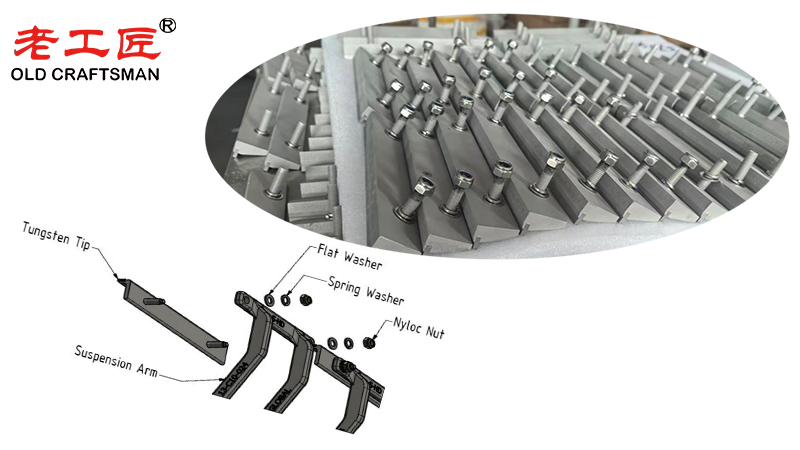
“Zhuzhou OC Precision Alloy Co., Ltd. could make tungsten carbide wear parts and make your equipment use life is tens of times longer than before! We specialize in providing customized carbide wear products solutions to meet the demanding requirements of industries such as aerospace, automotive, mining, and precision machining.”
Belt scraper Brazing brazingprocess carbide Carbide belt scraper carbidebrazing carbide hammer Crusher CRUSHER HAMMER HPGR HPGR feed chute liner Informational Internal stress metal mining Refractory Brick Mold Secondary belt cleaner scraper stresses VSI crusher wear plates welding