
Conveyor systems in industries like mining, aggregate processing, metallurgy, and cement face persistent challenges that impact efficiency, safety, and costs. Common issues include carryback (material sticking to the belt and returning on the underside), belt mistracking, excessive dust and spillage, frequent maintenance downtime, and accelerated wear on belts, idlers, and pulleys.
ZZ Old Craftsman (also known as ZZ Craftsman or Zhuzhou Old Craftsman Precision Alloy Co., Ltd.), a Chinese manufacturer specializing in tungsten carbide wear parts, offers carbide secondary belt cleaners (scrapers) designed to tackle these problems head-on. These cleaners use vacuum-brazed tungsten carbide tips or blades mounted on stainless steel (often 316L for corrosion resistance) bases.
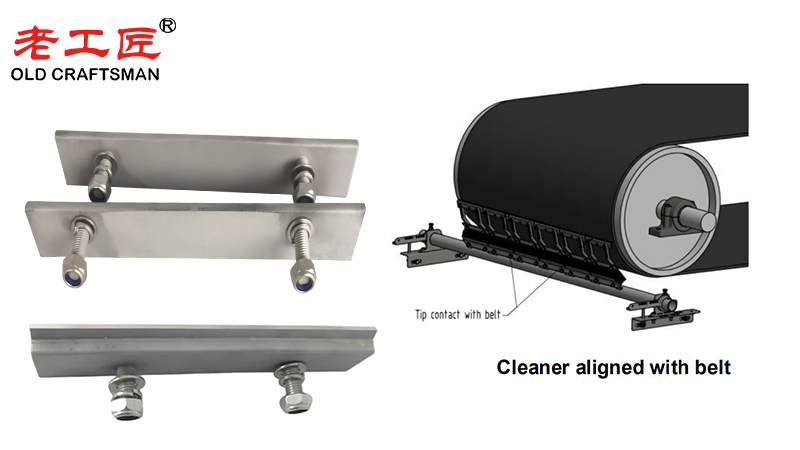
Key Conveyor System Challenges and How ZZ Craftsman Carbide Belt Cleaners Address Them
- Carryback and Material Buildup Sticky, wet, fine, or highly abrasive materials (e.g., iron ore, coal, or wet aggregates) cling to the belt, leading to spillage, dust emissions, and contamination of return idlers. This causes blockages, increased cleanup labor, and safety hazards. Solution: ZZ Craftsman secondary cleaners, positioned after a primary cleaner (near or just past the head pulley on the return side), use hard tungsten carbide edges for superior scraping efficiency. The carbide provides a thin, sharp, self-sharpening contact that removes residual fines and sticky residues more effectively than urethane or standard steel blades. Vacuum brazing ensures strong bonding, maintaining performance even with mechanically spliced belts.
- Frequent Blade Wear and High Maintenance Costs Traditional polyurethane or steel cleaners wear out quickly in abrasive environments, requiring frequent replacements, tension adjustments, and downtime. Solution: Tungsten carbide’s extreme hardness (typically HV 1400–1800) delivers significantly longer service life—often 3–10x or more compared to urethane or steel—depending on the material handled. This translates to lower lifetime costs despite a higher upfront price, reduced maintenance frequency, and less unplanned shutdowns. The durable bond from vacuum brazing resists detachment under impact or vibration.
- Belt Damage and Mistracking Poor cleaning leads to uneven loading, material buildup on pulleys/idlers, and mistracking. Aggressive cleaners can also gouge belts or catch on splices. Solution: Carbide blades are engineered for compatibility with splices when properly installed (e.g., at a non-aggressive angle, with light tension). They clean effectively with lower contact pressure than some alternatives, minimizing belt wear while preventing buildup that causes mistracking. Stainless steel construction adds corrosion resistance in wet or chemical environments.
- Harsh Operating Conditions High temperatures, corrosion, impact from large lumps, or extreme abrasion in mining/processing settings accelerate failure of standard cleaners. Solution: ZZ Craftsman cleaners handle operating temperatures from -40°C to 300°C and resist abrasion, impact, and corrosion. They suit tough applications like iron ore, coal, or high-temperature materials. Custom options (P-type, H-type, R-type, or sizes per drawings) allow tailoring to specific belt widths, speeds, and material paths.
- Overall System Efficiency and Safety Carryback increases energy consumption (due to added friction/weight), environmental compliance risks from dust/spillage, and worker exposure to cleanup hazards. Solution: Effective secondary cleaning reduces fugitive material, lowers power draw on the conveyor drive, extends component life (belts, idlers, pulleys), and improves housekeeping. Combined with a primary cleaner, carbide secondary units can achieve high cleaning efficiency (>90% in many cases when properly set up).
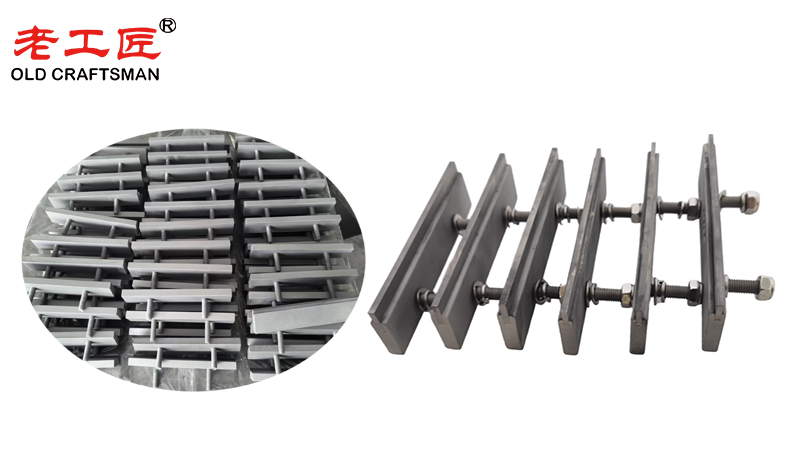
Advantages of ZZ Craftsman Carbide Technology
- Vacuum brazing: Higher bonding strength than traditional welding methods, reducing the risk of carbide detachment.
- Special carbide grades: Optimized for wear resistance while balancing toughness.
- Customization: Available in various blade configurations, sizes (e.g., common inserts like 37×27×20 mm or strips), and assemblies for primary/secondary/return positions.
- Cost-effectiveness: Focus on total cost of ownership—fewer replacements and less downtime often offset the premium over cheaper blades.
These cleaners work best as secondary units following a primary scraper (often urethane for bulk removal). Proper installation is critical: align with the belt path, use appropriate tension (self-adjusting options help), and maintain a negative rake angle where possible to protect splices and the belt.
For operations in mining or bulk material handling facing these challenges, switching to or adding a high-quality carbide secondary cleaner like those from ZZ Old Craftsman can deliver measurable gains in uptime, reduced labor, and lower overall operating expenses. If your system handles highly abrasive or sticky materials, carbide often outperforms polymer-based alternatives in longevity and cleaning consistency.
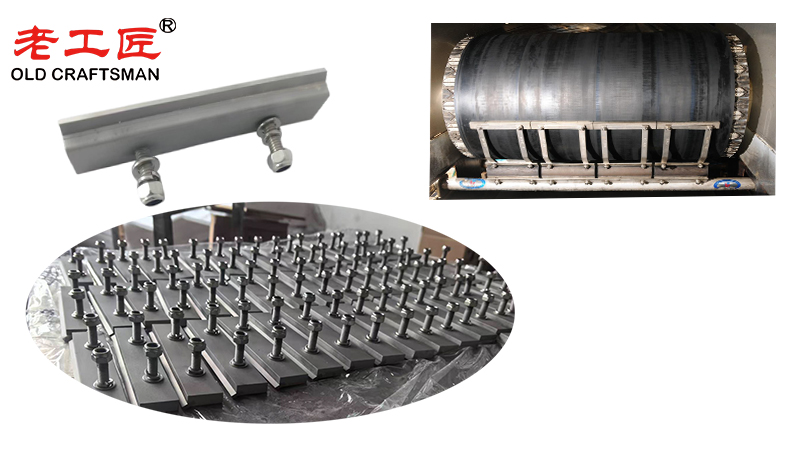
“Zhuzhou OC Precision Alloy Co., Ltd. could make tungsten carbide wear parts and make your equipment use life is tens of times longer than before! We specialize in providing customized carbide wear products solutions to meet the demanding requirements of industries such as aerospace, automotive, mining, and precision machining.”
Belt scraper Brazing brazingprocess carbide Carbide belt scraper carbidebrazing carbide hammer Crusher CRUSHER HAMMER HPGR HPGR feed chute liner Informational Internal stress metal mining Refractory Brick Mold Secondary belt cleaner scraper stresses VSI crusher wear plates welding