
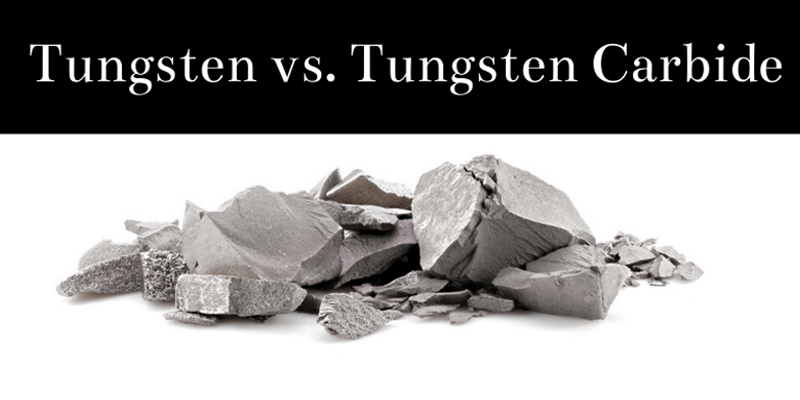
Tungsten and tungsten carbide are related but distinct materials with different properties and applications. Here’s a breakdown of their key differences:
1. Composition
- Tungsten (W)
- A pure metallic element (atomic number 74) known for its extremely high melting point (3,422°C), density (19.25 g/cm³), and strength.
- Naturally hard but somewhat brittle in its pure form.
- Tungsten Carbide (WC)
- A compound made of tungsten and carbon atoms in a 1:1 ratio.
- Typically mixed with a binder (like cobalt or nickel) to improve toughness.
2. Hardness & Strength
- Tungsten
- Hard but not as hard as tungsten carbide.
- More ductile than WC, meaning it can deform slightly under stress.
- Tungsten Carbide
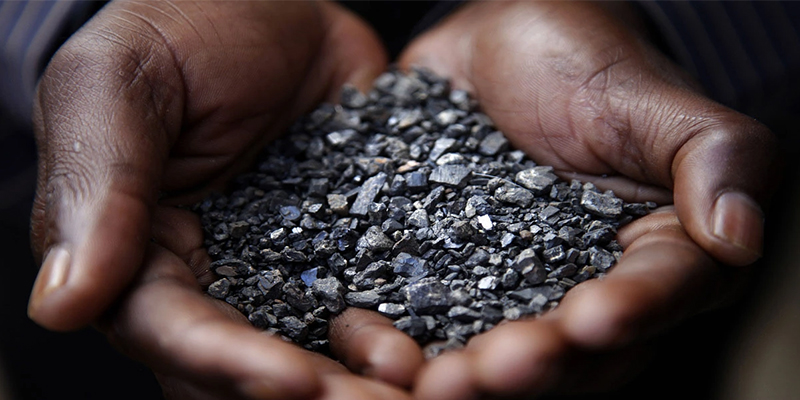
- Much harder (nearly as hard as diamond on the Mohs scale).
- Extremely wear resistant but more brittle unless combined with a binder.
3. Applications
- Tungsten
- Used in filaments (light bulbs, X-ray tubes), electrodes, and radiation shielding.
- Found in alloys (e.g., high speed steels) to improve heat resistance.
- Tungsten Carbide
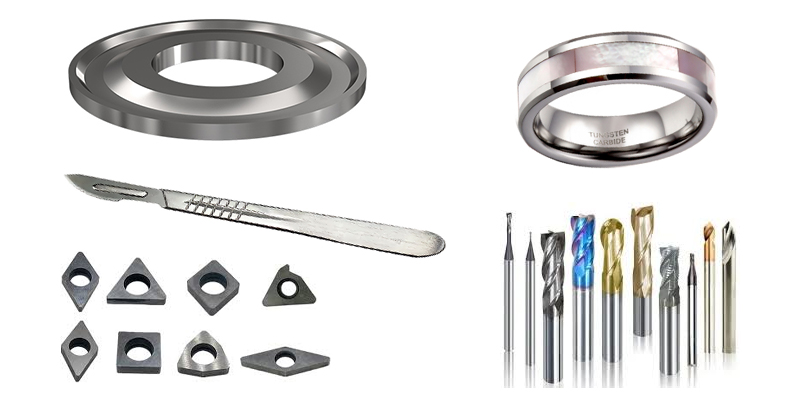
- Used in cutting tools (drill bits, saw blades), mining equipment, and industrial machinery due to its hardness.
- Common in jewelry (wedding bands) because of its scratch resistance.
4. Machinability & Workability
- Tungsten
- Can be machined with difficulty but is easier to work with than WC.
- Tungsten Carbide
- Too hard to machine conventionally usually shaped by sintering (powder metallurgy).
5. Price
- Tungsten is generally cheaper in raw form.
- Tungsten Carbide is more expensive due to processing costs but offers superior durability.
Summary
- Tungsten = Pure metal, high melting point, used in electrical/industrial applications.
- Tungsten Carbide = Harder, wear resistant compound, used in cutting tools and jewelry.
Tungsten carbide is a remarkable chemical compound formed by tungsten and carbon atoms in a 1:1 ratio, widely regarded as one of the hardest and most durable materials available at room temperature. Known as high density cemented carbide, it possesses an exceptionally high melting point (around 2,870°C) and boiling point (approximately 6,000°C when sublimating), far surpassing most metals on the periodic table. These properties make it ideal for high temperature cutting tools and wear parts that demand extreme scratch resistance and wear resistance under intense conditions. While pure tungsten is already highly resistant to heat and corrosion, combining it with carbon to form tungsten carbide dramatically enhances its hardness and toughness. This is why tungsten carbide rings often marketed as “tungsten rings” have become popular as wedding rings: they offer high quality, a brilliant permanent polish, and are virtually indestructible in everyday use, making them a highly resistant and long lasting symbol of enduring commitment.
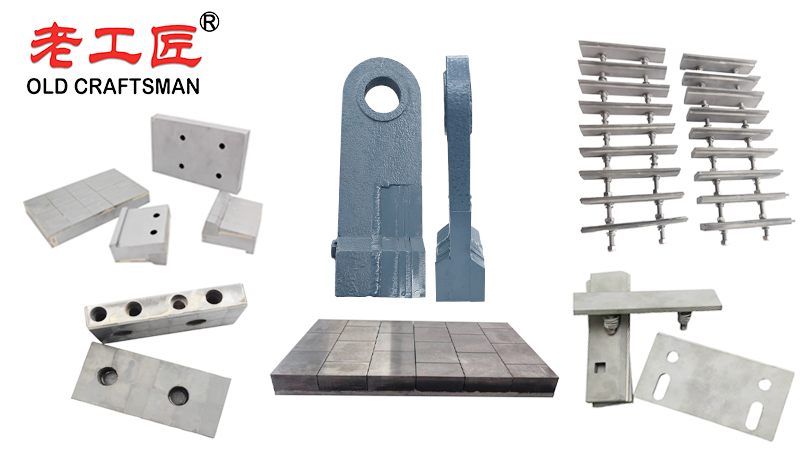
“Zhuzhou Old Craftsman Precision Alloy Co., Ltd. could make tungsten carbide wear parts and make your equipment use life is tens of times longer than before! We specialize in providing customized carbide wear products solutions to meet the demanding requirements of industries such as aerospace, automotive, mining, and precision machining.”
Belt scraper Brazing brazingprocess CARBDIE HAMMER carbide Carbide belt scraper carbidebrazing carbide hammer Crusher CRUSHER HAMMER Informational Internal stress metal mining Refractory Brick Mold Secondary belt cleaner scraper stresses VSI crusher wear plates welding