
Australian iron ore mines are increasingly replacing traditional conveyor belt cleaner systems with carbide-tipped alternatives primarily to tackle the extreme costs and safety risks of carryback—the material that sticks to the belt and falls off along the return path. This shift is driven by the superior durability of carbide, which dramatically extends component life and allows for continuous, high-efficiency cleaning between lengthy shutdown cycles -1-6.
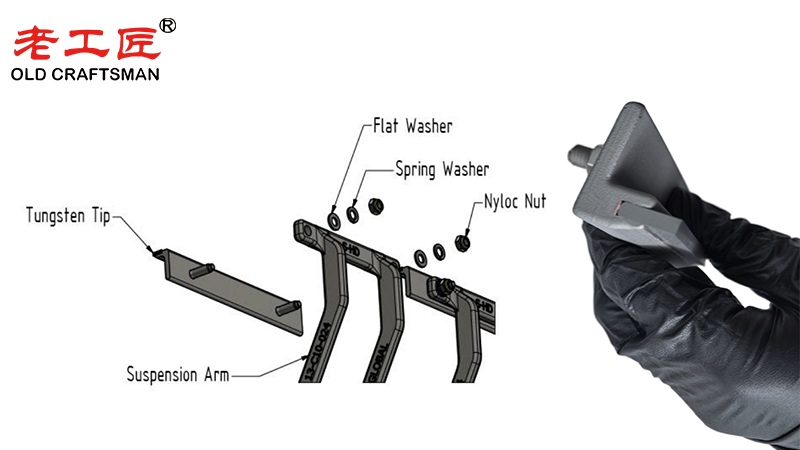
The following table summarizes the key benefits driving this transition:
| Benefit | Traditional Systems (e.g., Polyurethane) | Modern Carbide-Tipped Systems | Key Source |
|---|---|---|---|
| Wear Life | Short; wears out before scheduled 13-26 week shutdowns. | Long; lasts through multiple shutdown periods. | -1-8 |
| Cleaning Efficiency | Degrades quickly, leading to significant carryback. | Maintains constant blade-to-belt contact for consistent cleaning. | -6-3 |
| Maintenance Costs | High; frequent blade changes, clean-up labor, and idler replacements. | Low; reduced maintenance interventions and clean-up needs. | -6-8 |
| Safety Risks | High; frequent maintenance and manual clean-up expose workers to hazards. | Reduced; less frequent maintenance and automated tensioning keep workers away from moving parts. | -6-7 |
🛡️ Unmatched Durability in Extreme Conditions
The primary driver for this switch is the sheer abrasiveness of iron ore, which rapidly wears down conventional materials like standard polyurethane blades -8. Carbide-tipped blades offer a solution that aligns with the rigid maintenance schedules of the industry.
- Outlasting Shutdown Cycles: Iron ore mines in Western Australia often schedule major maintenance shutdowns every 13 or 26 weeks -1. Mines need equipment that can reliably operate for these entire periods without failure. Traditional cleaners would wear out, but modern carbide blades, such as Flexco’s Continuous Blade Secondary (CBS) cleaner, are engineered to last through multiple shutdown cycles -1.
- Real-World Proof: In one specific case, upgrading to a cleaner with larger 25mm tungsten carbide tips (compared to an underspecified 15mm tip) extended the blade’s life from less than 18 weeks to an impressive 36 weeks, effectively doubling the operational lifespan -8.
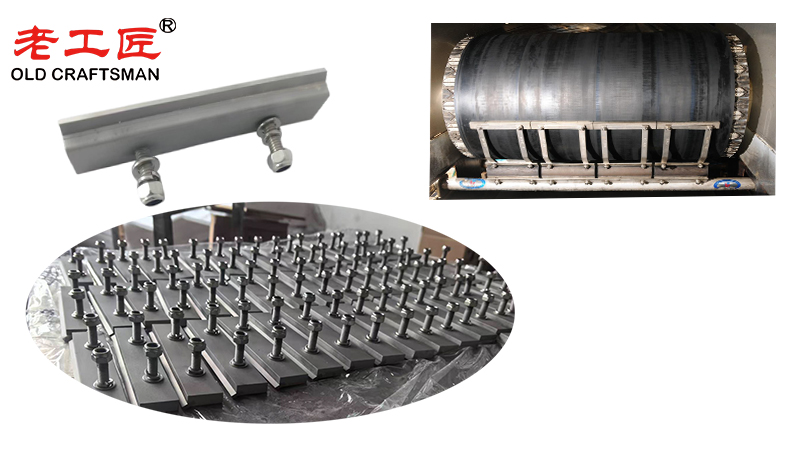
💰 Slashing Costs and Boosting Efficiency
The financial benefits of switching to carbide systems are substantial, stemming from reduced downtime, lower maintenance labor, and decreased product loss.
- Massive Reduction in Clean-Up Labor: Carryback is expensive to manage. At one iron ore mine, excessive carryback required a team of people and machinery—including a vacuum truck, a skid steer, and two workers with shovels—two full 12-hour shifts every six weeks just to clean up -6.
- Fewer Component Replacements: The same mine was replacing an average of 15 return rollers every six weeks due to damage from carryback. After installing a new carbide-tipped cleaning system, this dropped to just three rollers over the same period, and the replacement time fell from five hours to just 1.5 hours -6.
- Direct Savings: In another example, simply by specifying the correct carbide-tipped cleaner, a site saved approximately $4,745 in replacement parts per conveyor during a shutdown cycle, plus the labor cost of two service technicians -8.
🦺 Enhancing Worker Safety
By reducing the need for constant interaction with conveyor systems, carbide-tipped cleaners are making mines significantly safer.
- Less Exposure to Hazards: The most dangerous work is the work you don’t have to do. By nearly eliminating carryback, mines can drastically reduce the time workers spend shoveling under conveyors—a task that exposes them to slip, trip, and crushing hazards -6-7.
- Safer Maintenance Procedures: Modern carbide cleaner designs often incorporate features that enhance safety. For example, systems can now be tensioned from the side of the conveyor, eliminating the need for workers to enter dangerous zones -1. Newer air tensioning systems allow maintenance personnel to adjust the cleaner safely while the conveyor is still running, and remote monitoring technology can even notify staff when a blade needs attention -6.
🔧 Advanced Features of Modern Systems
Today’s carbide-tipped cleaners are not just a single blade but part of a sophisticated system designed for optimal performance.
- Self-Adjusting Mechanisms: Unlike older systems that required frequent manual tightening, many new carbide cleaners use constant-pressure tensioning (like the EZ-Air Tension Kit). This ensures the blade maintains perfect contact with the belt at all times, maximizing cleaning efficiency without operator intervention -6-3.
- Real-Time Monitoring: Some mines are now integrating these cleaners with IoT (Internet of Things) monitoring platforms (e.g., Flexco Elevate®). These systems provide real-time data on cleaner performance and blade wear, enabling predictive maintenance and preventing issues before they cause downtime -6.
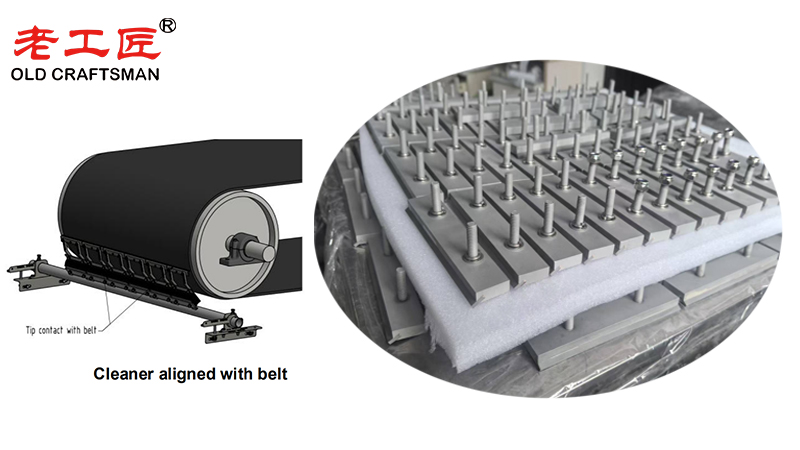
In summary, the replacement of old conveyor belt cleaners with carbide-tipped systems in Australian iron ore mines is a strategic move to improve the bottom line and safety performance. The exceptional wear life of carbide directly translates to longer component life, lower maintenance costs, and a safer working environment by reducing the need for hazardous manual clean-up.
“Zhuzhou OC Precision Alloy Co., Ltd. could make tungsten carbide wear parts and make your equipment use life is tens of times longer than before! We specialize in providing customized carbide wear products solutions to meet the demanding requirements of industries such as aerospace, automotive, mining, and precision machining.”
Belt scraper Brazing brazingprocess carbide Carbide belt scraper carbidebrazing carbide hammer Crusher CRUSHER HAMMER HPGR HPGR feed chute liner Informational Internal stress metal mining Refractory Brick Mold Secondary belt cleaner scraper stresses VSI crusher wear plates welding