
Mining carbide conveyor belt scrapers (typically tungsten carbide-tipped or inserted blades) significantly outperform traditional one-piece blades—usually made from polyurethane (PU) or similar softer materials—in abrasive, high-volume mining environments. This is primarily due to differences in material hardness, wear characteristics, and performance under extreme conditions like handling ore, coal, rocks, or silica-laden materials.
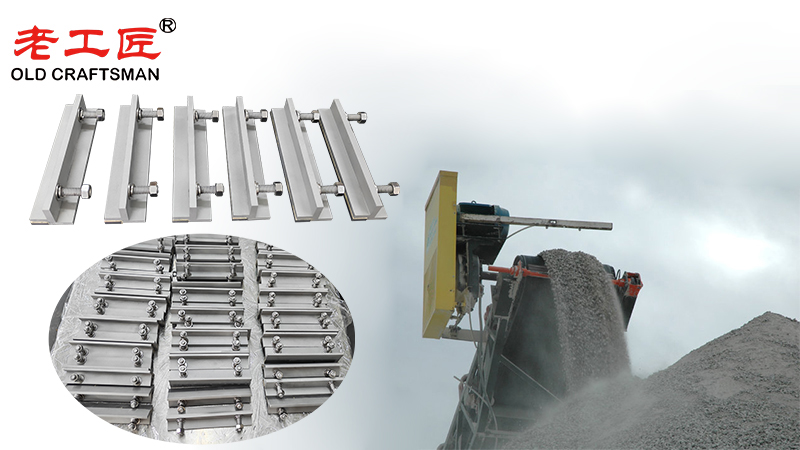
Here are the main reasons they outperform:
1. The Material Science: Hardness and Wear Resistance
The fundamental difference lies in the materials.
- Traditional One-Piece Blade: Typically made from spring steel, hardened steel, or polyurethane. Steel has a maximum hardness of around 45–55 HRC (Rockwell Hardness Scale). In a mining environment (moving tons of sharp rock, ore, or coal per hour), a steel blade operates as a consumable. It wears down quickly, losing its profile and allowing “carryback” (material stuck to the belt) to pass through.
- Carbide Scraper: Utilizes tungsten carbide tips. Tungsten carbide has a hardness of 75–85 HRA (Rockwell A), making it nearly as hard as diamond. It is specifically engineered to withstand the extreme abrasion of sand, silica, and ore.
The Result: A carbide scraper can last 10 to 20 times longer than a one-piece steel blade before requiring replacement.
2. Constant Pressure vs. Diminishing Performance
One-piece blades suffer from a mechanical flaw: as they wear, they lose contact with the belt.
- Traditional Blade: As the steel wears down, the tension arm must extend further to maintain contact. However, because the blade is a single, rigid piece, the contact area increases as it wears, leading to friction, heat, and eventual “glazing” of the belt surface. Operators often have to constantly adjust (or “re-tension”) the blade to stop spillage.
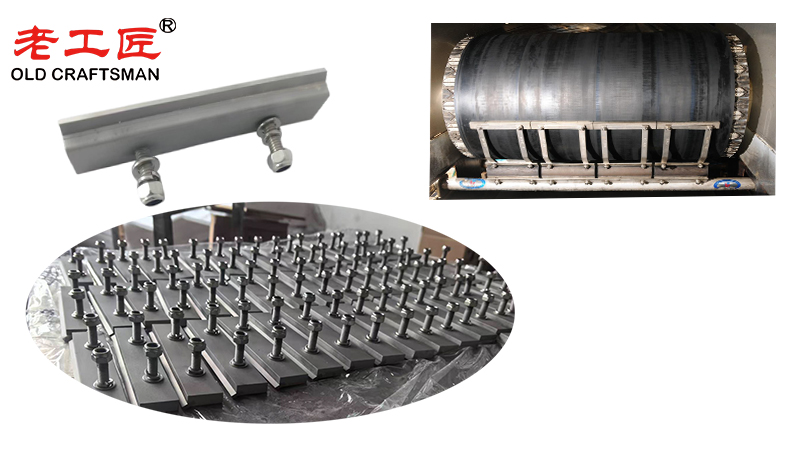
- Carbide Scraper: These systems use a segmented design (individual carbide inserts mounted on a steel backing or a cartridge system). They are designed for constant pressure. As the carbide wears, the maintaining mechanism (usually a torsion arm or air cylinder) ensures the blade maintains consistent contact with the belt without requiring manual adjustment. The individual segments also allow for independent movement (racking), ensuring the blade conforms to belt irregularities like splices or worn spots.
3. Belt Protection and Safety
A primary concern in mining is preventing damage to the conveyor belt, which costs hundreds of thousands of dollars to replace.
- Traditional Blade: A worn steel blade is dangerous. If the blade wears down to the steel holder, or if a piece of the blade breaks off, the metal holder can come into direct contact with the belt, causing catastrophic longitudinal slitting. Steel blades also generate significant friction, which is a major fire hazard in underground coal or combustible dust applications.
- Carbide Scraper: Carbide is applied only at the tip. The holder is designed to “fail safe.” If the carbide wears out completely, the steel holder is still set back from the belt surface, preventing belt damage. Furthermore, because carbide lasts longer and maintains a sharper edge with less downward force, it generates less friction and heat, reducing fire risk and belt wear.
4. Maintenance and Downtime
Mines lose money when the conveyor is stopped.
- Traditional Blade: Steel blades require frequent replacement. This often involves heavy maintenance crews, torches, welding, and hours of downtime. Because the blade wears unevenly, it must be changed frequently to prevent spillage.
- Carbide Scraper: These systems are designed for quick-change maintenance.
- Segmented Design: If one segment (e.g., 100mm wide) gets damaged by a splice or a piece of tramp metal, you replace only that segment, not the entire 60-inch blade.
- Service Life: Replacing a carbide blade is an infrequent event (often scheduled during major maintenance shutdowns every 6–12 months) versus steel blades which may need changing monthly or even weekly in high-tonnage applications.
5. Total Cost of Ownership (TCO)
While a carbide scraper has a higher initial purchase price, the Total Cost of Ownership is drastically lower.
| Feature | Traditional One-Piece Steel | Mining Carbide Segmented |
|---|---|---|
| Initial Cost | Low | High (3x–5x steel) |
| Lifespan | Weeks to Months | Months to Years |
| Carryback | High (requires clean-up crews) | < 1% (keeps belt clean) |
| Belt Wear | High friction, risk of glazing | Low friction, extended belt life |
| Labor Cost | High (frequent, unscheduled changes) | Low (infrequent, scheduled changes) |
| Safety Risk | High (fire hazard, sharp edges) | Low (fail-safe design, cool running) |
Summary
A mining carbide conveyor belt scraper outperforms a traditional one-piece blade because it is engineered for the specific physics of mining:
- It is harder: It resists the abrasive wear of ore, lasting exponentially longer.
- It is smarter: The segmented design allows for articulation over belt splices and quick, partial replacement.
- It is safer: It eliminates the risk of the steel holder slitting the belt and reduces friction-related fire hazards.
- It is cleaner: By maintaining constant, optimal contact, it removes virtually all carryback, reducing the need for manual clean-up crews and preventing fugitive material from damaging idlers and pulleys.
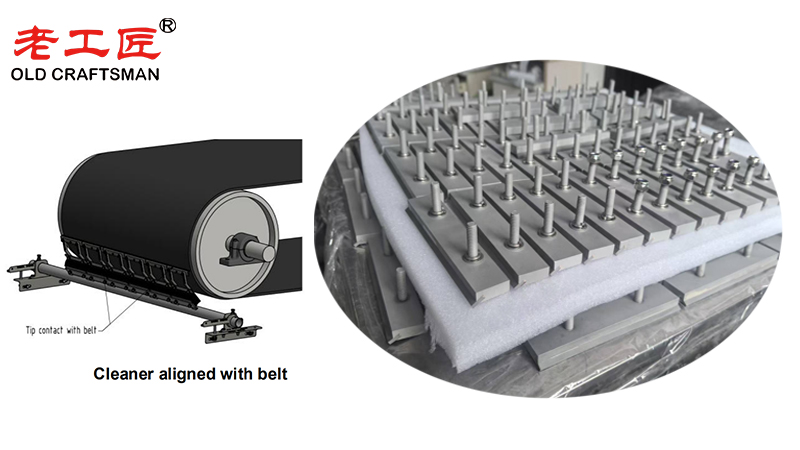
In summary, mining carbide scrapers outperform traditional one-piece blades by lasting dramatically longer, cleaning more effectively and consistently, and reducing overall operating costs—making them the preferred choice for harsh conveyor environments where uptime and efficiency are critical. Always match the specific carbide grade and scraper design (primary/secondary, tensioning system) to your belt speed, material, and splice type for optimal results.
“Zhuzhou OC Precision Alloy Co., Ltd. could make tungsten carbide wear parts and make your equipment use life is tens of times longer than before! We specialize in providing customized carbide wear products solutions to meet the demanding requirements of industries such as aerospace, automotive, mining, and precision machining.”
Belt scraper Brazing brazingprocess carbide Carbide belt scraper carbidebrazing carbide hammer Crusher CRUSHER HAMMER HPGR HPGR feed chute liner Informational Internal stress metal mining Refractory Brick Mold Secondary belt cleaner scraper stresses VSI crusher wear plates welding