
ZZ Craftsman Carbide Belt Cleaner (also referred to as ZZ Old Craftsman secondary belt cleaner or carbide conveyor belt scraper) is a heavy-duty tungsten carbide-brazed scraper designed for mining, aggregate, and bulk material handling conveyor systems. It removes carryback—residual material that sticks to the belt after discharge—which is the primary cause of spillage along the return side, buildup on idlers/rollers/pulleys, belt mistracking, and increased maintenance.
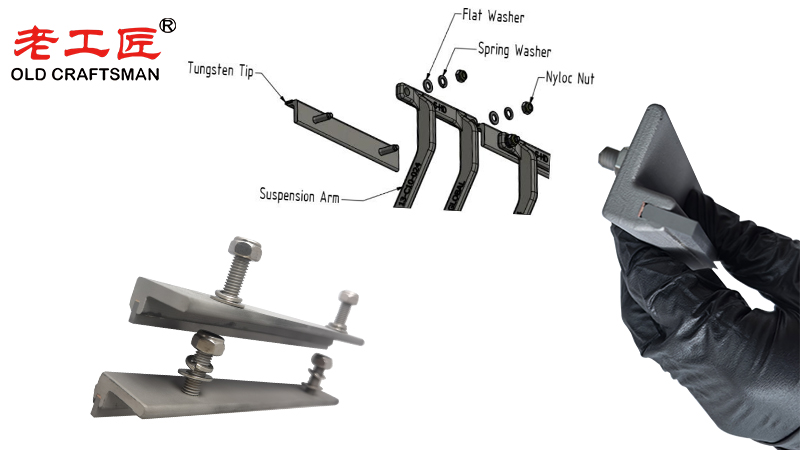
Its vacuum-brazed tungsten carbide tips (or strips) offer exceptional wear resistance and durability, especially with abrasive materials like ore, coal, or crushed rock. This leads to higher cleaning efficiency (often cited in similar carbide systems as >99% in optimal setups when combined with a primary cleaner), reduced material buildup, and virtually eliminated spillage.
How the ZZ Craftsman Carbide Belt Cleaner Eliminates Spillage
- Carryback removal: The carbide blade scrapes the belt surface clean, dislodging sticky fines and residues that would otherwise fall off along the conveyor path or cause buildup.
- Prevents secondary issues: Less carryback means fewer piles under the belt, reduced dust, lower risk of belt slippage/misalignment, and less material loss.
- Long-term benefits: Carbide’s durability maintains consistent blade pressure and contact longer than urethane or rubber alternatives, minimizing the need for frequent adjustments or replacements. This translates to 10-15% potential energy savings on the drive motor in cleaner systems, plus safer, cleaner work environments.
- Best results: Use it as a secondary cleaner after a primary cleaner (which handles bulk discharge at the head pulley). The secondary targets fine/sticky residues for near-complete cleaning.
Installation Guidelines (for Effective Spillage Control)
Proper placement and setup are critical for maximum performance. ZZ Craftsman cleaners (like their secondary models) follow standard industry practices for carbide scrapers:
- Choose the right position:
- Secondary cleaner (typical for ZZ Craftsman carbide models): Install just below the head pulley or at the start of the return side, after the primary cleaner. This catches remaining carryback before it travels far.
- Return side cleaner (if applicable): Mount near the tail pulley or tensioning device to clean the underside and prevent roller buildup.
- Mounting:
- Attach the cleaner frame securely to the conveyor structure using appropriate brackets (custom sizes/drawings are supported by the manufacturer).
- Position the carbide blade to contact the belt surface at a non-aggressive angle (typically a low/raking angle to avoid belt damage while ensuring effective scraping).
- Ensure the blade applies even, consistent pressure—adjustable via tensioners (spring, torsion, or spindle types in similar systems).
- Key tips for success:
- Maintain optimal blade-to-belt contact pressure and angle to clean effectively without excessive wear on the belt or blade.
- For reversible belts, confirm compatibility or use a reversible model if needed.
- Allow space for easy inspection, adjustment, and blade replacement.
- Consider belt width, speed (generally up to ~6-7 m/s for carbide tips), material type (abrasive/sticky), and environment (e.g., humidity, temperature).
No public detailed step-by-step manual with torque specs or diagrams was found for the exact ZZ Craftsman model, as these are often customized. Contact ZZ Old Craftsman directly (via zzcraftsman.com or their sales team) for tailored installation drawings, videos, or on-site guidance. They emphasize vacuum brazing for strong bonding to prevent blade dislodging in tough conditions.
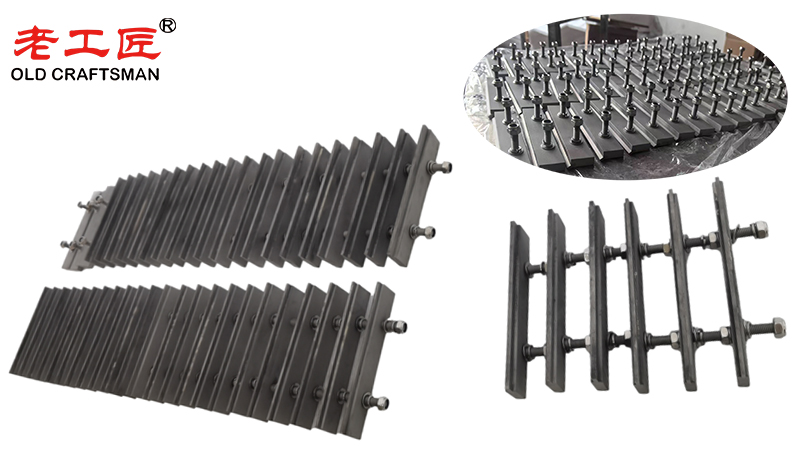
Operation and Maintenance to Sustain Spillage Elimination
- During operation: The cleaner works passively as the belt runs. The durable carbide maintains performance over long periods, even with mechanically spliced belts.
- Regular checks:
- Inspect blade wear, tension, and contact periodically (frequency depends on material abrasiveness and runtime).
- Remove any large debris that could damage the blade.
- Re-tension as needed to keep consistent pressure (carbide’s slow wear rate means less frequent adjustments than softer blades).
- Clean buildup around the cleaner frame to prevent interference.
- Replacement: Carbide blades last significantly longer, reducing downtime. Replace when wear affects cleaning efficiency.
- Complementary measures: Pair with good skirting at loading points, belt alignment systems, and a primary cleaner for optimal results. This combination can drastically cut spillage, cleanup labor, and safety risks.
Expected Outcomes
Users of similar carbide secondary cleaners report drastically reduced spillage, less product loss, lower maintenance costs, and improved conveyor uptime. In abrasive mining applications, this can mean fewer hours spent cleaning under belts and safer walkways.
For the most accurate, model-specific instructions, reach out to the manufacturer, as ZZ Craftsman products are often customized for specific conveyor setups. If your system has unique challenges (e.g., very sticky material or high speeds), they can recommend the right configuration.
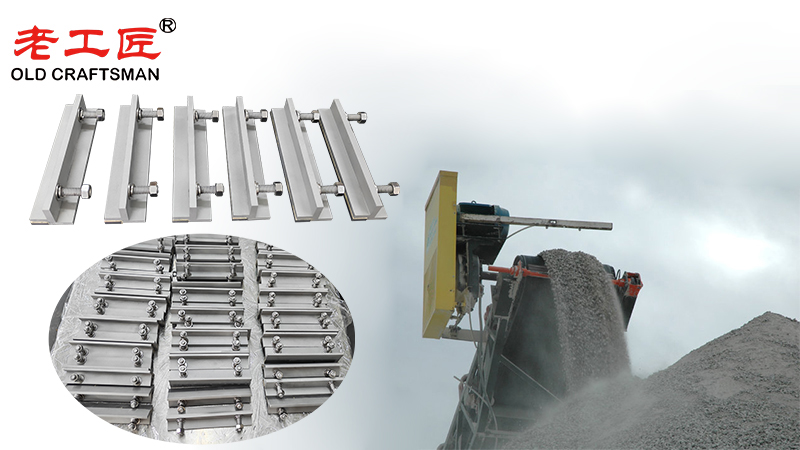
“Zhuzhou OC Precision Alloy Co., Ltd. could make tungsten carbide wear parts and make your equipment use life is tens of times longer than before! We specialize in providing customized carbide wear products solutions to meet the demanding requirements of industries such as aerospace, automotive, mining, and precision machining.”
Belt scraper Brazing brazingprocess carbide Carbide belt scraper carbidebrazing carbide hammer Crusher CRUSHER HAMMER HPGR HPGR feed chute liner Informational Internal stress metal mining Refractory Brick Mold Secondary belt cleaner scraper stresses VSI crusher wear plates welding