
HPGR (High Pressure Grinding Rolls) systems are among the most demanding applications in mining, especially when it comes to wear components like cheek plates. In these machines, materials are subjected to extreme compressive forces, abrasive ores, and continuous impact. This is exactly where OLD CRAFTSMAN HPGR Cheek Plates are engineered to make a measurable difference in service life and operational stability.
At the core of their performance is a design philosophy focused on maximizing abrasion resistance while maintaining structural integrity under high-stress conditions. Traditional steel or low-grade wear liners tend to wear unevenly, leading to increased gap variation in the HPGR chamber. This can reduce grinding efficiency, increase energy consumption, and cause unplanned downtime. OLD CRAFTSMAN cheek plates are developed specifically to address these failure modes.
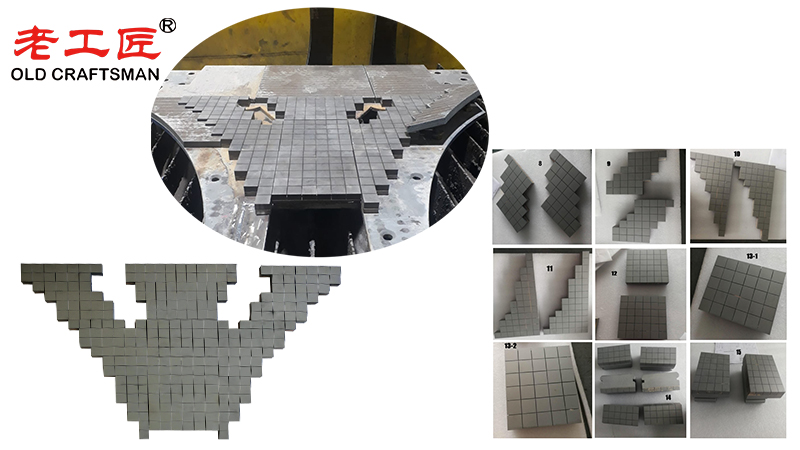
Advanced Material System for Extreme Wear Conditions
OLD CRAFTSMAN HPGR Cheek Plates typically use a high-grade tungsten carbide-based wear surface bonded to a tough steel backing plate. The tungsten carbide phase provides exceptional hardness (far beyond conventional wear steels), allowing the surface to resist micro-cutting and gouging from hard mineral particles such as quartz, iron ore, and copper ore.
The steel substrate, on the other hand, ensures toughness and impact absorption. This dual-material structure prevents brittle failure, which is a common issue when using fully hard materials in high-impact zones.
The vacuum brazing process used in manufacturing is another key factor. By creating a strong metallurgical bond between carbide and steel, the plates achieve high resistance to delamination even under cyclic loading and vibration. This is especially important in HPGR applications where pressure fluctuations are constant.
Improved Wear Distribution and Operational Stability
One of the main advantages of OLD CRAFTSMAN cheek plates is their ability to maintain consistent wear profiles over time. Instead of localized erosion or edge breakdown, the wear surface degrades more uniformly. This helps maintain the correct operating gap between the rolls, which is critical for:
- Stable particle size distribution
- Higher grinding efficiency
- Reduced energy consumption per ton
- Lower vibration and mechanical stress on bearings and shafts
In many mining operations, uneven cheek plate wear is a hidden cost driver. It forces earlier maintenance shutdowns and increases the frequency of roller re-calibration. By extending the stable wear phase, OLD CRAFTSMAN designs reduce these operational disruptions.
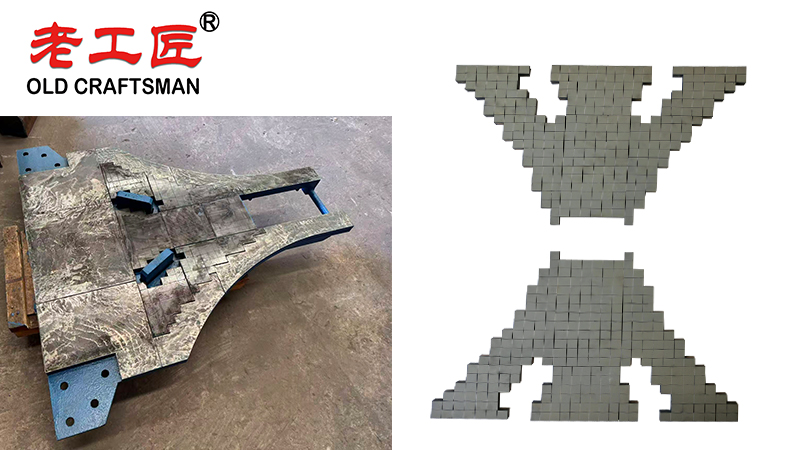
Enhanced Resistance to Impact and Thermal Stress
HPGR environments are not only abrasive but also highly dynamic. Ore feed variations, occasional tramp material, and pressure spikes create repeated impact loads. The engineered carbide structure in OLD CRAFTSMAN plates helps dissipate these loads across the surface rather than concentrating stress at a single point.
Additionally, mining environments can involve temperature fluctuations due to continuous operation. The brazed interface and controlled thermal expansion design reduce the risk of cracking or interface failure under thermal cycling conditions.
Longer Service Life and Lower Total Cost
While initial material cost is higher than conventional liners, the extended service life of OLD CRAFTSMAN HPGR Cheek Plates significantly reduces total cost of ownership. Fewer replacements mean:
- Reduced downtime and labor costs
- Lower inventory requirements for spare parts
- Improved machine utilization rates
- More predictable maintenance scheduling
For large-scale mining operations, even small improvements in wear life can translate into substantial annual savings.
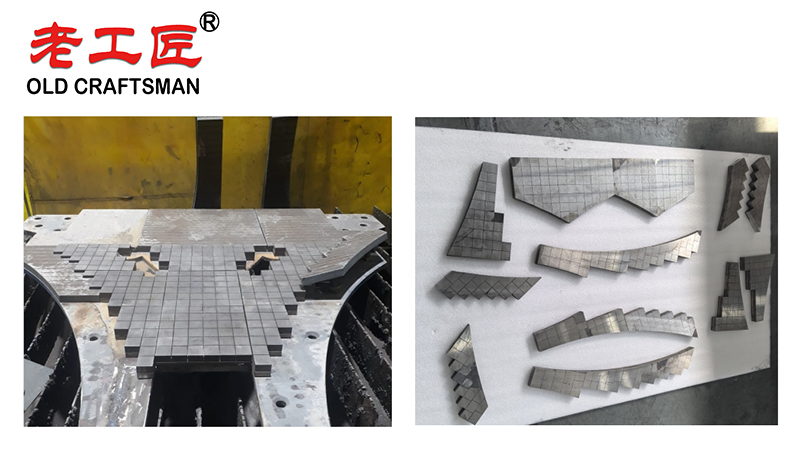
Conclusion
OLD CRAFTSMAN HPGR Cheek Plates improve wear resistance through a combination of tungsten carbide reinforcement, vacuum brazed bonding technology, and engineered stress distribution design. The result is a more stable HPGR operation, reduced downtime, and significantly improved wear life in some of the harshest mining environments.
“Zhuzhou OC Precision Alloy Co., Ltd. could make tungsten carbide wear parts and make your equipment use life is tens of times longer than before! We specialize in providing customized carbide wear products solutions to meet the demanding requirements of industries such as aerospace, automotive, mining, and precision machining.”
Belt scraper Brazing brazingprocess carbide Carbide belt scraper carbidebrazing carbide hammer Crusher CRUSHER HAMMER HPGR HPGR feed chute liner Informational Internal stress metal mining Refractory Brick Mold Secondary belt cleaner scraper stresses VSI crusher wear plates welding