
A vacuum brazed carbide cleaner improves conveyor system impact resistance through two key mechanisms: the extreme hardness of tungsten carbide combined with the superior bonding strength of the vacuum brazing process. This synergy prevents the cleaner’s tips from fracturing or detaching under sudden shock loads caused by large material lumps or belt splices.
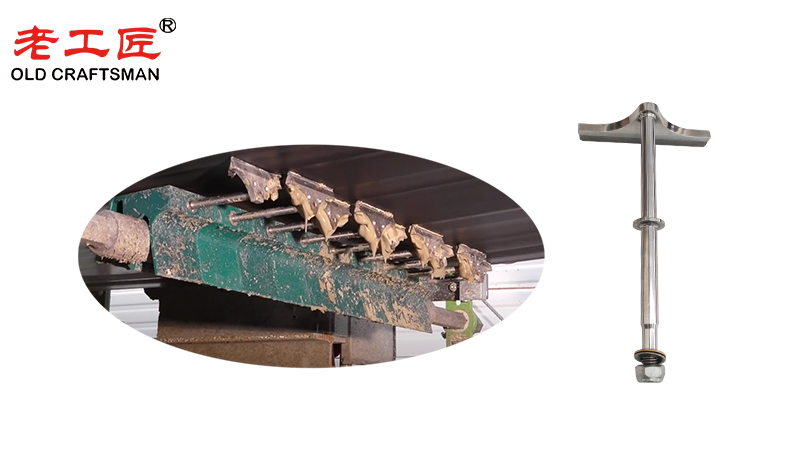
Here is a technical breakdown of how it achieves this, compared to conventional cleaners:
| Feature | Standard Polyurethane / Rubber | Mechanically Attached Carbide | Vacuum Brazed Carbide |
|---|---|---|---|
| Impact Strength | Low (chunks break off) | Moderate (tips loosen/fall off) | Very High (no tip loss) |
| Bonding Method | Adhesive / Molded | Mechanical clamping / Silver soldering | Metallurgical (Vacuum Furnace) |
| Fracture Toughness | Poor (tears under stress) | Low (brittle, susceptible to cracking) | High (absorbs shock) |
| Splice Tolerance | Poor (wears rapidly) | Average (tips catch and rip off) | Excellent (glides over obstacles) |
🛡️ The Mechanism of Impact Resistance
The ability to withstand impacts relies on the structure of the cleaner blade. Here is how the vacuum brazed design functions during a sudden shock event:
- The “Cushion” Effect of the Braze Alloy: In a vacuum brazed cleaner, a nickel-based filler metal bonds the carbide tip to the steel base inside an oxygen-free furnace. This alloy layer acts as a buffer zone. Unlike brittle epoxies or mechanical clamps, this metallic joint has a slight degree of flexibility that absorbs the shock of a sudden impact, such as a piece of tramp iron or a large rock hitting the blade.
- Avoiding “Carbide Pop-Off”: The primary failure mode for carbide scrapers is the tip snapping off (pop-off) when it hits an obstacle -9. Vacuum brazing creates a 100% void-free bond. Because there are no microscopic gaps or oxidation layers (a risk in standard torch brazing), the bond is actually stronger than the carbide itself. This ensures that even under a violent impact, the tip remains firmly attached to the holder.
- Dynamic System Response: While the carbide provides the hardness and the braze provides the attachment strength, the overall impact resistance is also mechanical. When a large obstruction hits the blade, the force causes the cleaner’s tensioning system (springs/pivots) to flex momentarily. Because the vacuum brazed joint can handle this sudden deflection without cracking, the system can push the blade away to let the obstacle pass and then snap it back into place, all without structural damage.
⚙️ Why Hardness Alone Isn’t Enough
Tungsten carbide is one of the hardest materials available (rated 85-92 HRA), essential for slicing through abrasive ore without wearing down. However, this hardness usually comes with a trade-off: brittleness.
Standard sintered carbide plates can shatter like glass if they hit a steel belt splice. Vacuum brazing solves this by eliminating internal stresses (oxidation/voids) that act as crack initiation points. The result is a blade that is both hard enough to scrape and resilient enough to survive continuous collisions.
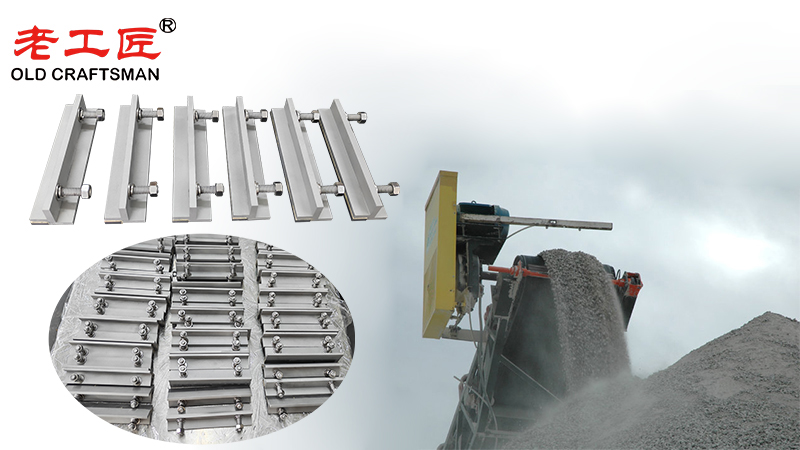
💡 Practical Implications for Mining Operations
In real-world terms, this improved impact resistance translates into three measurable operational benefits:
- Uninterrupted Production: Blades last 4–6 times longer than polyurethane and 2–3 times longer than mechanically attached carbide. This reduces unplanned downtime caused by cleaners shattering or losing tips.
- Safety: Tips that stay firmly bonded are less likely to become projectiles or foreign debris in the material stream.
- Cost Efficiency: By surviving impacts, the cleaning edge remains effective, reducing material “carry-back” to 98–99% -5 and protecting the belt from damage caused by trapped debris.
To summarize, a vacuum brazed carbide cleaner improves impact resistance by combining the cutting power of hard carbide with the durability of a shatter-proof, metallurgical bond.
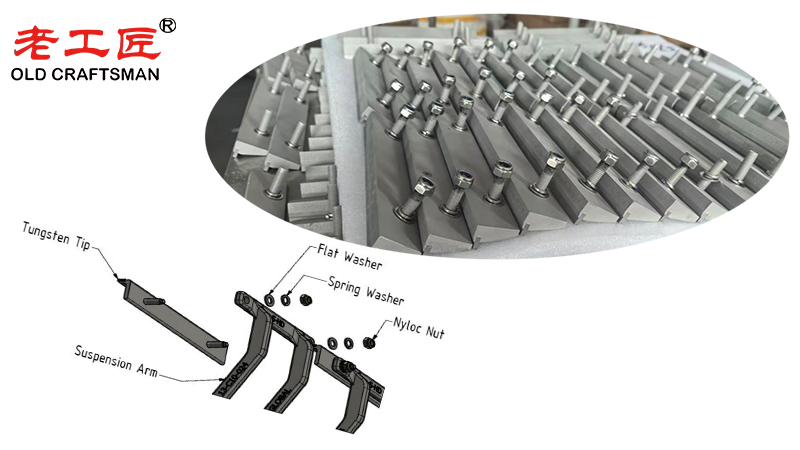
“Zhuzhou OC Precision Alloy Co., Ltd. could make tungsten carbide wear parts and make your equipment use life is tens of times longer than before! We specialize in providing customized carbide wear products solutions to meet the demanding requirements of industries such as aerospace, automotive, mining, and precision machining.”
Belt scraper Brazing brazingprocess carbide Carbide belt scraper carbidebrazing carbide hammer Crusher CRUSHER HAMMER HPGR HPGR feed chute liner Informational Internal stress metal mining Refractory Brick Mold Secondary belt cleaner scraper stresses VSI crusher wear plates welding