
The shift toward vacuum brazed carbide conveyor belt cleaners in mining is a strategic response to the high costs associated with “carryback”—the material that sticks to the belt after discharge. While these systems have a higher upfront cost, they deliver a significantly lower total cost of ownership by lasting 3–5 times longer than conventional scrapers, drastically reducing maintenance downtime and protecting expensive belt assets.
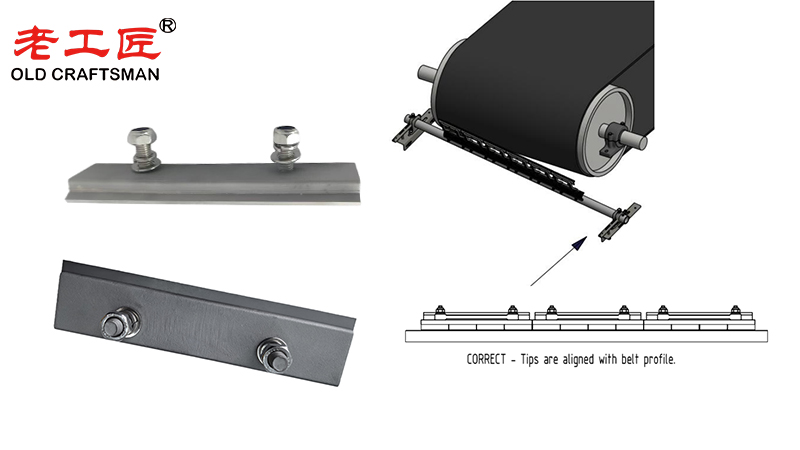
Here is the technical breakdown of why this technology is winning over operators:
🔧 The Core Technology: A Flawless Bond
Traditional belt cleaners fail primarily because the carbide tips snap off (“pop-off”) under the high impact of bulk ore or belt splices. Vacuum brazing solves this by fusing the tungsten carbide to the blade in an oxygen-free furnace.
This process creates a metallurgical bond that is seamless and void-free, making the joint actually stronger than the carbide itself. This ensures the tips stay attached even when colliding with mechanical fasteners or large rocks.
⏱️ Key Driver #1: Reduced Downtime
In mining, production stops only for maintenance. Standard polyurethane or welded carbide cleaners often require replacement every 6 to 12 weeks.
| Cleaner Type | Typical Lifespan (Mining) | Primary Failure Mode |
|---|---|---|
| Polyurethane | 2–4 months | Rapid abrasive wear |
| Standard Carbide | 6–10 months | Tips detach due to impact |
| Vacuum Brazed | 8–18 months | Wear-resistant, tips stay bonded |
By lasting up to a year or more, operators reduce change-outs from 12 times a year to just once, cutting downtime by 25–30%.
🛡️ Key Driver #2: Belt Protection
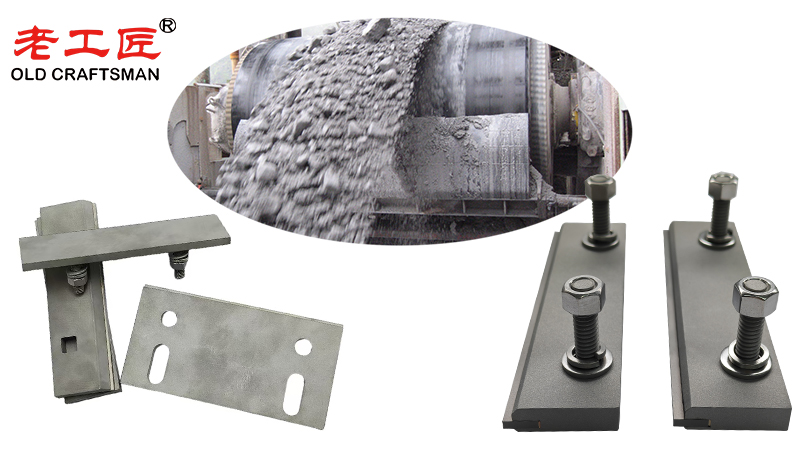
A dirty belt acts like sandpaper on return rollers and pulleys. Vacuum brazed cleaners achieve 98–99% carryback removal. By keeping the belt surgically clean, they prevent material from getting trapped between the belt and the structure. This eliminates the “sandpaper effect,” significantly extending the life of the multi-million dollar conveyor belt and preventing mistracking.
💰 Key Driver #3: Lower Costs
While the price tag is higher, the financial logic is based on lifecycle cost.
- Annual Savings: Operators report annual operating costs dropping from roughly $3,800 (for standard cleaners) to about $1,350 for vacuum brazed systems—a saving of nearly 65%.
- Labor Reduction: Annual maintenance labor can drop from 12 man-hours to just 2.
- Rapid ROI: Many mines report a payback period of less than three months.
✅ How to Identify a Quality System
Not all carbide cleaners are equal. When evaluating options, look for these specific engineering features:
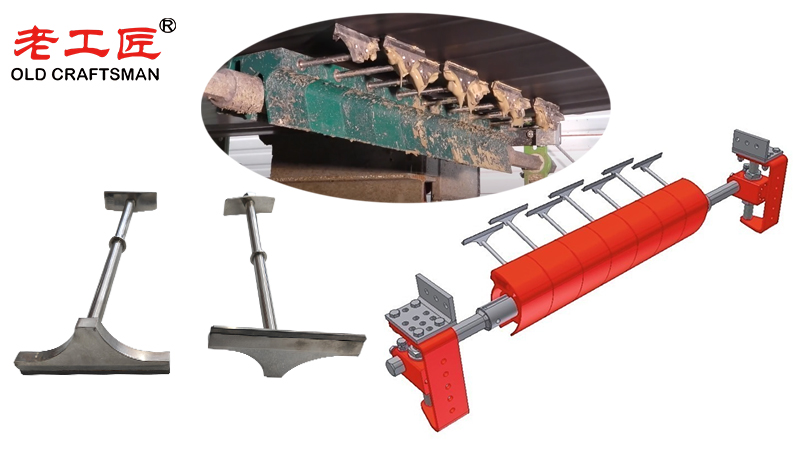
- Independent Suspension: Look for blades on spring-loaded cushions that allow them to flex over splices and obstructions without shattering.
- Low Tension Design: Quality systems use a “negative rake angle” (scraping vs. peeling) to clean effectively without requiring excessive pressure that damages the belt cover.
- Self-Sharpening Profile: The blade should be designed to expose fresh, sharp carbide particles as it wears, maintaining cleaning efficiency without manual adjustments.
⚠️ Verification Note
Please note that the most detailed, quantifiable data (cost savings and specific lifespan comparisons) available currently comes from manufacturer sources. While industry case studies confirm the operational benefits (8-month blade life, reduced cleanup), verifying specific cost data with independent third-party audits would provide the highest level of assurance.
“Zhuzhou OC Precision Alloy Co., Ltd. could make tungsten carbide wear parts and make your equipment use life is tens of times longer than before! We specialize in providing customized carbide wear products solutions to meet the demanding requirements of industries such as aerospace, automotive, mining, and precision machining.”
Belt scraper Brazing brazingprocess carbide Carbide belt scraper carbidebrazing carbide hammer Crusher CRUSHER HAMMER HPGR HPGR feed chute liner Informational Internal stress metal mining Refractory Brick Mold Secondary belt cleaner scraper stresses VSI crusher wear plates welding