
Vacuum brazed carbide belt cleaners (typically tungsten carbide-tipped scrapers for conveyor belts in mining, aggregates, and heavy industry) are designed for superior durability, high cleaning efficiency (often 98–99% carryback removal), and extended service life—often 3–5 times or more compared to conventional urethane or welded carbide options.
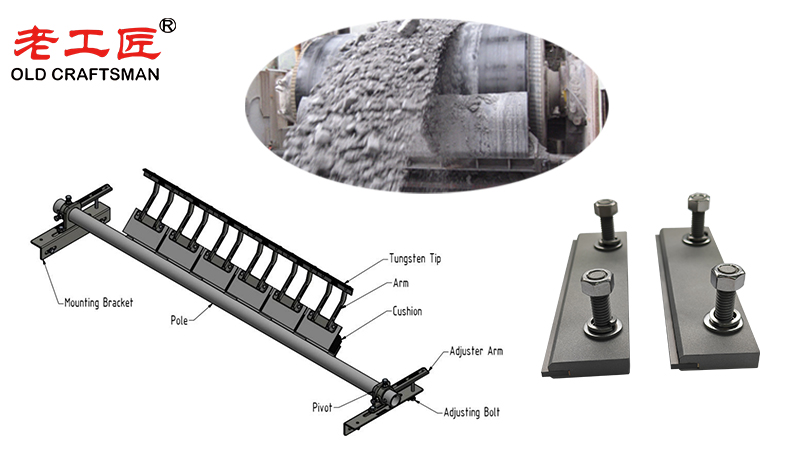
Their vacuum brazing creates a strong metallurgical bond, reducing the risk of carbide detachment under impact. Proper maintenance focuses on correct installation/tensioning, regular inspections, cleaning, and timely replacement to maximize blade life, minimize belt wear, reduce downtime, and lower overall costs.
1. Proper Installation and Initial Setup
- Follow the manufacturer’s guidelines closely. Most performance issues stem from poor installation.
- Position the cleaner so blades contact the belt against a firm surface (e.g., head pulley). Maintain the correct distance and angle of attack (often a low/negative rake angle for scraping rather than aggressive digging). This ensures effective cleaning without excessive belt wear.
- Use compatible mounting (bolted or welded) and ensure the support frame is at the precise distance to avoid “pull-through” (where the belt drags the cleaner around).
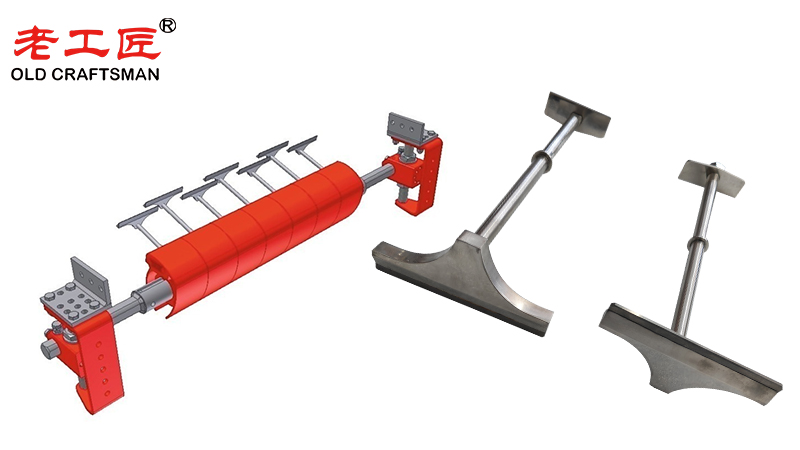
- For vacuum brazed carbide systems, look for designs with independent suspension (spring-loaded or cushioned blades) to flex over splices and obstructions without damage.
2. Correct Tensioning
- Apply optimal blade-to-belt pressure (studies suggest around 11–14 psi for many systems; avoid over-tensioning, which increases wear on both blade and belt without better cleaning).
- Use self-relieving tensioners (e.g., linear, rotary, air-spring, or torque types) that maintain consistent pressure as the blade wears and allow easy adjustment or withdrawal for service.
- Linear tensioners help keep a constant cleaning angle. Radial designs aid shock absorption.
- Check and readjust tension regularly, especially after initial wear or seasonal changes in material. Some advanced systems require minimal re-tensioning.
- Never over-tension to compensate for poor performance—address root causes like buildup or misalignment instead.
3. Routine Inspection and Cleaning
- Schedule regular checks: Weekly or per manufacturer recommendations (e.g., every week: inspect wear/dirt; every two weeks: check bolts/hardware).
- Stop and lock out/tag out the conveyor before any work for safety.
- Remove material buildup on blades (use brushes, scrapers, or non-abrasive tools). Clean spillage under the system to prevent re-contamination.
- Inspect for uneven wear, chipping, or damage from belt imperfections (e.g., recessed logos, splices, or damage that can groove the blade and reduce life by 55–60%).
- Check mounting hardware, tensioners, and cushions for tightness and functionality.
- Ensure the belt itself is in good condition (smooth splices, no excessive wear) to avoid accelerating blade wear.
4. Monitoring Wear and Replacement
- Vacuum brazed carbide blades are self-sharpening in quality designs (fresh carbide exposes as it wears), maintaining efficiency longer.
- Replace blades when wear reaches the manufacturer’s limit (typically when cleaning efficiency drops or the carbide is significantly depleted). These blades last much longer, reducing change-outs dramatically (e.g., from monthly to yearly in some cases).
- Segmented or overlapping blade designs allow individual replacement, minimizing downtime.
- Track performance metrics like carryback levels and blade life to optimize.
5. Additional Best Practices for Longevity
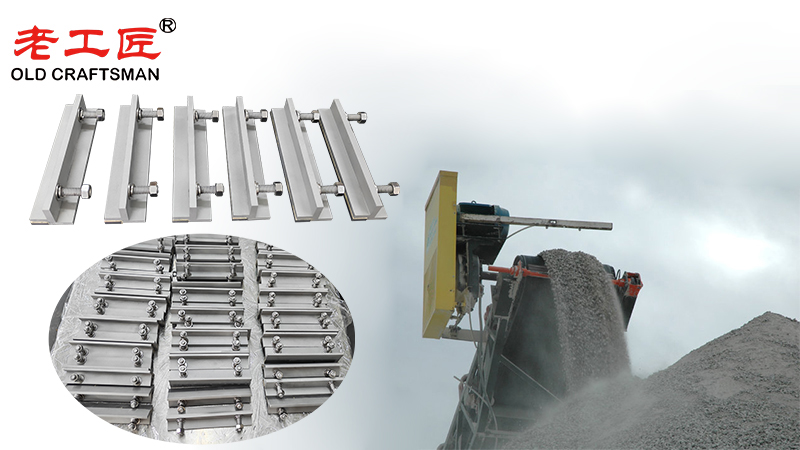
- Choose high-quality carbide (avoid cheap grades prone to voids, poor impact resistance, or fast wear). Premium vacuum-brazed options resist abrasion and impact better.
- Pair with primary and secondary cleaners where needed for best results.
- In harsh/abrasive conditions, leverage the inherent advantages of vacuum brazing for reduced maintenance frequency.
- Train personnel on proper procedures and consider manufacturer installation/maintenance services.
- Address conveyor issues (misalignment, material characteristics, belt speed) that affect cleaner performance.
- Store spares properly and protect cleaners from unnecessary exposure when not in use.
Expected Benefits: With good maintenance, these cleaners can significantly cut labor (e.g., from ~12 to ~2 hours annually in examples), reduce downtime by 25–30%, lower total ownership costs by 65% or more, and protect the belt.
Always consult your specific manufacturer’s manual (e.g., for models from suppliers like those emphasizing vacuum brazed tech) for exact specs, as details vary by application, belt type (vulcanized vs. mechanical splices), and material handled. If you have details about your setup or a specific brand, more tailored advice is possible.
“Zhuzhou OC Precision Alloy Co., Ltd. could make tungsten carbide wear parts and make your equipment use life is tens of times longer than before! We specialize in providing customized carbide wear products solutions to meet the demanding requirements of industries such as aerospace, automotive, mining, and precision machining.”
Belt scraper Brazing brazingprocess carbide Carbide belt scraper carbidebrazing carbide hammer Crusher CRUSHER HAMMER HPGR HPGR feed chute liner Informational Internal stress metal mining Refractory Brick Mold Secondary belt cleaner scraper stresses VSI crusher wear plates welding