
Conveyor belts are the backbone of countless industries, from mining and aggregates to manufacturing and recycling. They endure constant abrasion, impact, and material buildup, which can lead to premature wear, frequent replacements, and costly downtime. One innovative, cost-effective solution gaining traction is the use of Old Craftsman carbide drag plates (also known as wear plates or liners). These high-performance tungsten carbide components from ZZ Old Craftsman Precision Alloy Co., Ltd., can dramatically extend belt life when properly implemented.
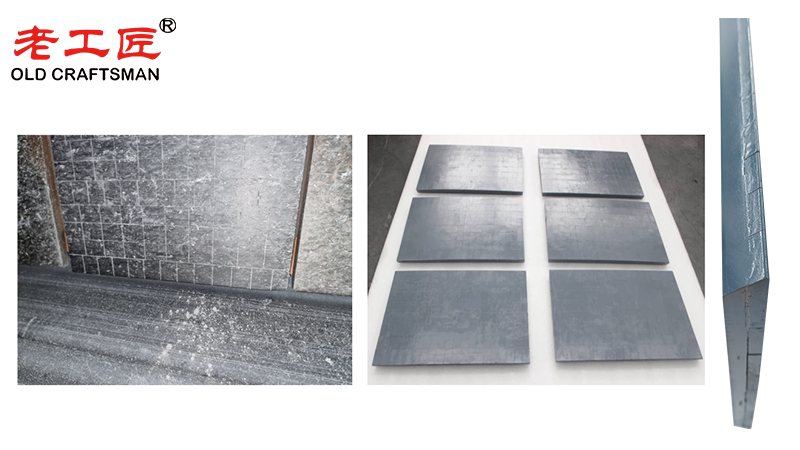
Understanding Carbide Drag Plates
Old Craftsman carbide drag plates are vacuum-brazed tungsten carbide wear parts engineered for extreme abrasion resistance. Unlike traditional steel liners that wear out quickly under heavy loads, these plates feature ultra-hard carbide inserts brazed onto a steel backing. This hybrid design combines the toughness of steel with the superior hardness and wear resistance of tungsten carbide.
In conveyor systems, drag plates are typically installed at high-wear zones such as transfer points, loading areas, feed chutes, and along skirtboards. They act as sacrificial barriers, absorbing the punishment from falling or sliding materials so the belt itself doesn’t have to. By reducing direct contact and friction between abrasive payloads and the belt surface, they minimize gouging, tearing, and surface degradation.
Key Benefits for Conveyor Belt Longevity
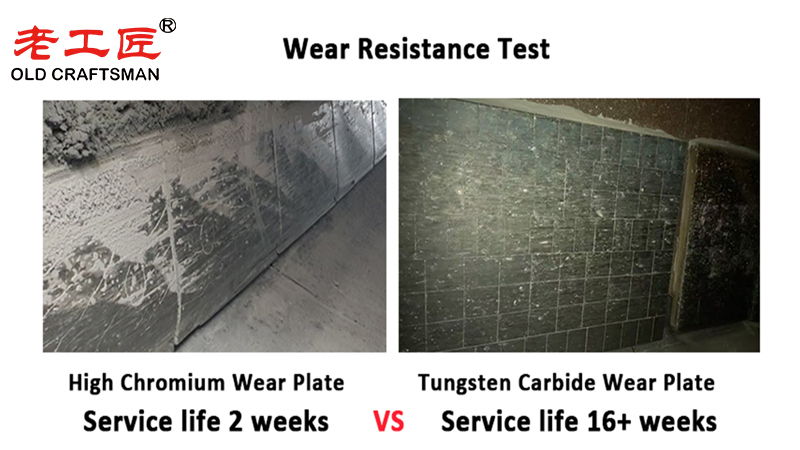
- Superior Abrasion Resistance: Carbide’s exceptional hardness significantly outperforms mild steel or even hardened alloys. In mining operations, where ore, rock, or coal creates relentless wear, Old Craftsman plates have been shown to last many times longer than conventional options, reducing replacement frequency.
- Reduced Carryback and Buildup: When used in conjunction with belt cleaners or scrapers, carbide-tipped components provide thorough material removal without excessively damaging the belt cover. This prevents material from sticking and causing uneven wear or mistracking.
- Lower Maintenance and Downtime: Fewer belt repairs and replacements translate directly to higher uptime and productivity. The plates protect critical areas, allowing the belt to maintain proper tension and alignment longer.
- Cost Efficiency: While the initial investment is higher than basic steel plates, the extended service life and reduced labor for maintenance often yield a lower total cost of ownership. Many users report substantial savings in high-throughput environments.
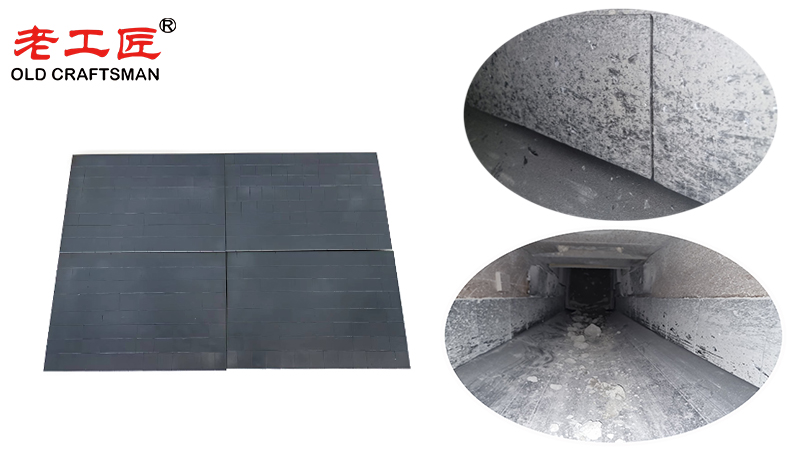
Step-by-Step Implementation Guide
Step 1: Assess Your System Conduct a thorough audit of your conveyor. Identify high-wear zones using visual inspections, wear pattern analysis, and downtime logs. Focus on impact zones, transfer chutes, and return idlers where material spillage is common.
Step 2: Select the Right Plates Old Craftsman offers customized drag plates tailored to specific applications. Consider factors like material type (e.g., sharp vs. rounded particles), drop height, belt speed, and operating environment. Vacuum-brazed designs ensure strong bonding and resistance to impact and vibration.
Step 3: Proper Installation
- Ensure the conveyor frame is aligned and stable.
- Bolt or weld the drag plates securely at strategic locations, often overlapping slightly for continuous protection.
- Maintain optimal clearance between the plate and belt (typically minimal but non-contact to avoid direct rubbing).
- Combine with high-quality belt cleaners—carbide scrapers work exceptionally well here.
Step 4: Routine Maintenance Inspect plates and belts weekly or per operational hours. Rotate or replace worn plates proactively. Keep the system clean to prevent material buildup that could undermine the plates’ effectiveness. Proper belt tension and tracking remain essential.
Step 5: Monitor and Optimize Track metrics such as belt wear rate, downtime hours, and plate lifespan. Adjust configurations based on performance data for even better results.
Real-World Impact
In heavy industries like mining, operators using Old Craftsman carbide solutions have reported significantly extended belt life—sometimes doubling or tripling intervals between replacements. This not only boosts throughput but also enhances safety by reducing the need for frequent interventions in hazardous areas.
Conclusion
Extending conveyor belt life doesn’t always require expensive full-system overhauls. Repurposing the durability of Old Craftsman carbide drag plates offers a smart, targeted approach to combat wear at its source. By protecting vulnerable points with these advanced wear-resistant components, facilities can achieve greater reliability, lower operational costs, and smoother production flows.
Whether you manage a large mining operation or a smaller processing plant, integrating carbide drag plates is a practical upgrade worth considering. Consult with specialists to design a solution tailored to your specific challenges—and watch your conveyor belts run longer and stronger than ever before.
“Zhuzhou OC Precision Alloy Co., Ltd. could make tungsten carbide wear parts and make your equipment use life is tens of times longer than before! We specialize in providing customized carbide wear products solutions to meet the demanding requirements of industries such as aerospace, automotive, mining, and precision machining.”
Belt scraper Brazing brazingprocess carbide Carbide belt scraper carbidebrazing carbide hammer Crusher CRUSHER HAMMER HPGR HPGR feed chute liner Informational Internal stress metal mining Refractory Brick Mold Secondary belt cleaner scraper stresses VSI crusher wear plates welding