
Extending the service life of OLD CRAFTSMAN HPGR cheek plates involves a multi-faceted strategy that balances material selection, operational parameters, and diligent maintenance. The goal is to manage the severe abrasive and shear wear these components face, ultimately reducing downtime and total operating costs.
OLD CRAFTSMAN has developed high-performance tungsten carbide HPGR cheek plates specifically for severe mining environments. By combining premium carbide materials, optimized structural design, and proper operating practices, operators can significantly increase wear life while reducing unplanned downtime.
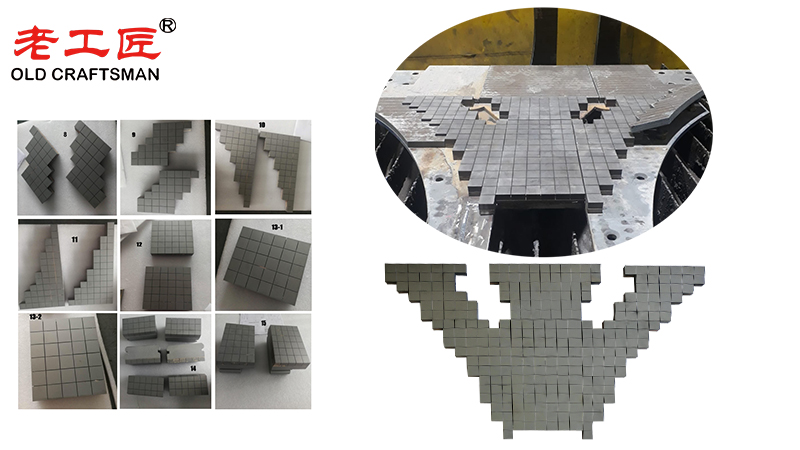
1. Choose Premium Tungsten Carbide Materials
The foundation of long-lasting cheek plates is the quality of the carbide.
OLD CRAFTSMAN uses high-quality cemented tungsten carbide produced through advanced powder preparation, precision pressing, vacuum sintering, and HIP technology. These manufacturing processes provide:
- Superior hardness
- High fracture toughness
- Excellent abrasion resistance
- Stable performance under heavy impact
Compared with conventional steel or cast iron cheek plates, premium carbide inserts can provide several times longer service life in highly abrasive ore applications.
2. Optimize Carbide Insert Layout
Material quality alone is not enough.
The arrangement of carbide inserts determines how effectively the cheek plate resists wear.
OLD CRAFTSMAN engineers optimize:
- Insert spacing
- Insert size
- Insert geometry
- Wear distribution pattern
A properly engineered insert pattern minimizes localized wear, distributes impact loads more evenly, and delays premature failure.
3. Maintain Proper Roll-to-Plate Clearance
Even the best cheek plates wear rapidly if installation clearance is incorrect.
The gap between the roll edge and the cheek plate should remain within the manufacturer’s recommended tolerance.
Excessive clearance can cause:
- Ore leakage
- Increased edge effect
- Uneven wear
- Reduced grinding efficiency
Too little clearance may result in contact between the rolls and cheek plates, increasing wear on both components. Proper adjustment helps maximize both wear life and HPGR performance.
4. Match Carbide Grade to Ore Conditions
Different ores create different wear mechanisms.
Applications processing:
- Iron ore
- Copper ore
- Gold ore
- Quartz-rich ores
may require different carbide grades depending on abrasiveness, impact level, and feed characteristics.
Selecting the appropriate carbide composition ensures the best balance between hardness and toughness for each application.
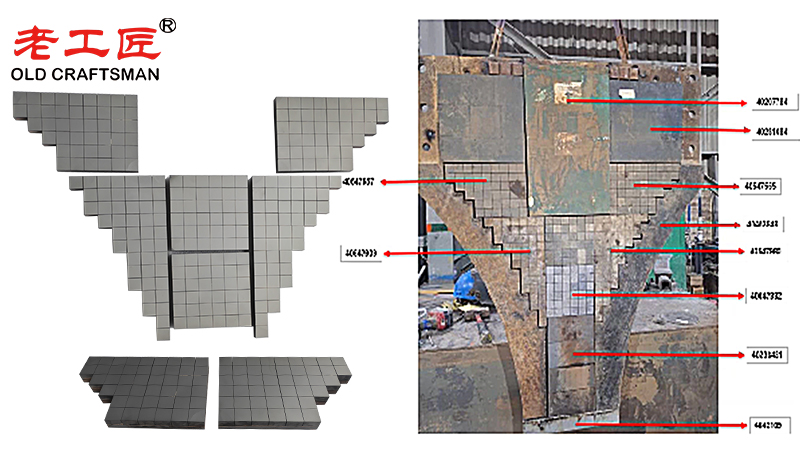
5. Perform Regular Wear Inspections
Waiting until complete failure dramatically increases maintenance costs.
Routine inspections should include:
- Wear thickness measurement
- Crack inspection
- Loose insert detection
- Edge wear monitoring
- Bolt tightness verification
Early detection allows planned replacement during scheduled maintenance instead of emergency shutdowns, reducing production losses.
6. Improve Feed Distribution
Uneven feed distribution accelerates localized cheek plate wear.
Maintaining a stable and evenly distributed feed helps:
- Reduce edge loading
- Minimize skewing
- Lower localized impact
- Improve pressure distribution
Consistent feed conditions not only extend cheek plate life but also improve overall HPGR efficiency.
7. Prevent Oversized or Tramp Material
Large rocks and tramp metal can cause sudden impact damage.
Installing:
- Magnetic separators
- Metal detectors
- Effective pre-screening systems
helps protect cheek plates from catastrophic damage and extends equipment life.
8. Use Precision Manufacturing
Manufacturing accuracy has a direct influence on service life.
OLD CRAFTSMAN manufactures HPGR cheek plates using:
- Precision CNC machining
- Tight dimensional tolerances
- Uniform carbide placement
- Strict quality inspection
Accurate dimensions ensure better contact with the HPGR frame, reducing stress concentration and improving wear performance.
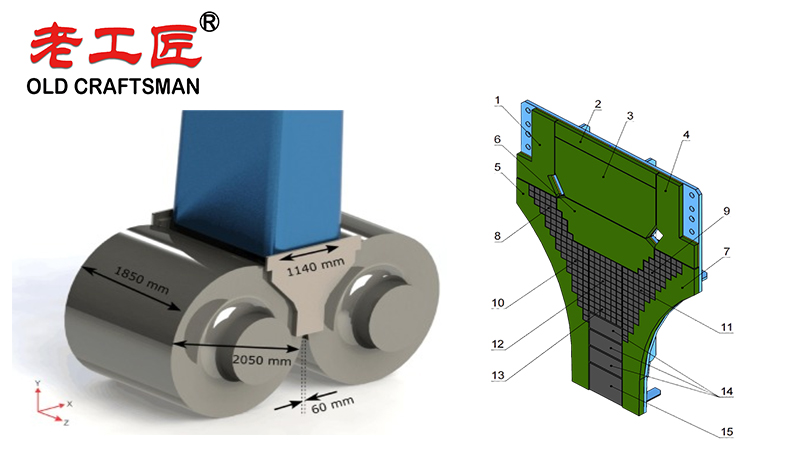
9. Replace Worn Components Before Secondary Damage Occurs
Operating with severely worn cheek plates can lead to:
- Material bypass
- Reduced grinding pressure
- Increased roll edge wear
- Damage to expensive HPGR components
Replacing cheek plates before excessive wear develops helps protect the entire grinding system and reduces total operating costs.
Why Choose OLD CRAFTSMAN HPGR Cheek Plates?
OLD CRAFTSMAN designs HPGR cheek plates specifically for demanding mining applications.
Key advantages include:
- Premium virgin tungsten carbide
- Vacuum sintering + HIP technology
- Excellent wear and impact resistance
- Precision-engineered insert configuration
- Consistent product quality
- Custom designs for Metso, Weir, FLSmidth, KHD, and other major HPGR equipment
By combining premium materials, optimized engineering, proper installation, and proactive maintenance, OLD CRAFTSMAN HPGR cheek plates help mining operations achieve longer service life, higher equipment availability, lower maintenance costs, and improved grinding efficiency.
Conclusion
Extending the service life of HPGR cheek plates requires more than simply selecting a harder material. Success depends on choosing the right carbide grade, optimizing insert design, maintaining correct operating conditions, and implementing regular inspections. With OLD CRAFTSMAN’s advanced tungsten carbide technology and precision manufacturing, mining operators can significantly reduce wear-related downtime while maximizing the productivity and reliability of their HPGR systems.
“Zhuzhou OC Precision Alloy Co., Ltd. could make tungsten carbide wear parts and make your equipment use life is tens of times longer than before! We specialize in providing customized carbide wear products solutions to meet the demanding requirements of industries such as aerospace, automotive, mining, and precision machining.”
Belt scraper Brazing brazingprocess carbide Carbide belt scraper carbidebrazing carbide hammer Crusher CRUSHER HAMMER HPGR HPGR feed chute liner Informational Internal stress metal mining Refractory Brick Mold Secondary belt cleaner scraper stresses VSI crusher wear plates welding