
High Pressure Grinding Rolls (HPGR) are widely used in mining and mineral processing industries due to their ability to improve energy efficiency and increase throughput. However, HPGR carbide flanges operate under some of the most extreme conditions, including high impact loads, severe abrasion, and continuous pressure from hard ores.
To achieve longer service life and reduce equipment downtime, advanced manufacturing technologies such as HIP sintering (Hot Isostatic Pressing sintering) have become increasingly important in producing high-performance tungsten carbide components.
HIP sintering significantly improves the mechanical properties, density, and reliability of carbide flanges, making them more durable solutions for demanding HPGR applications.
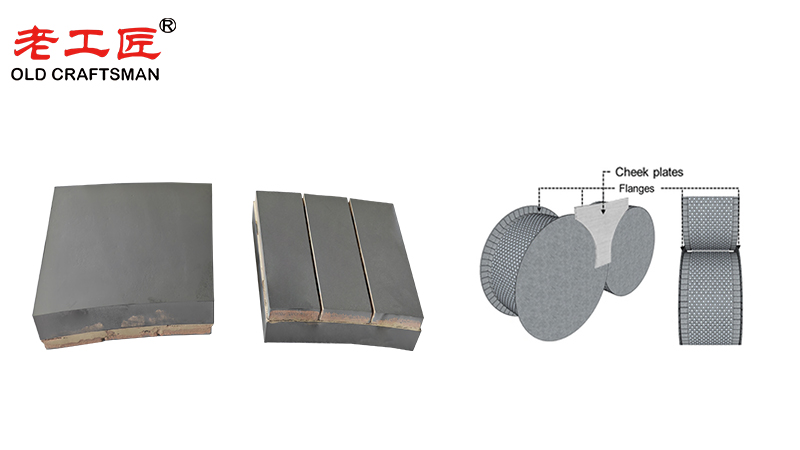
While conventional sintering produces functional carbide components, Hot Isostatic Pressing (HIP) takes performance to the next level. Here’s how.
1. Virtually Eliminates Internal Porosity
The core advantage of HIP sintering is densification. The process subjects the material to high temperatures (around 1350°C) and extremely high isostatic gas pressure, typically nearly 1406 kg/cm², in an inert atmosphere. This uniform pressure acts from all directions, collapsing any microscopic pores or voids left from the initial pressing stage. The result is a carbide component with near-theoretical density.
For HPGR flanges, this means fewer potential failure points. Internal porosity acts as a weak spot where cracks can initiate and propagate under stress. By eliminating these defects, HIP-treated flanges demonstrate significantly higher fracture strength and resistance to catastrophic failure.
2. Refines Microstructure and Boosts Hardness
Research indicates that post-HIP treatment promotes beneficial microstructural changes. In complex carbide systems, the high pressure and heat can trigger solid-state chemical reactions, leading to the precipitation of secondary phases that enhance mechanical properties.
Studies have shown that the hardness and wear resistance of carbide composites can be increased dramatically with post-HIP processing. This enhanced hardness is critical for flanges, as they must withstand the abrasive wear of ore passing through the HPGR without premature material loss. The fine, uniform grain structure achieved through HIP ensures consistent hardness throughout the component.
3. Enhances Binder Phase Properties
Tungsten carbide is a metal-matrix composite where hard WC grains are cemented together by a ductile binder metal, typically cobalt. During HIP processing, the binder phase becomes more uniformly distributed and can be strengthened through increased solid solubility of elements like tungsten. This strengthens the “glue” holding the carbide grains together, improving the overall toughness and durability of the flange.
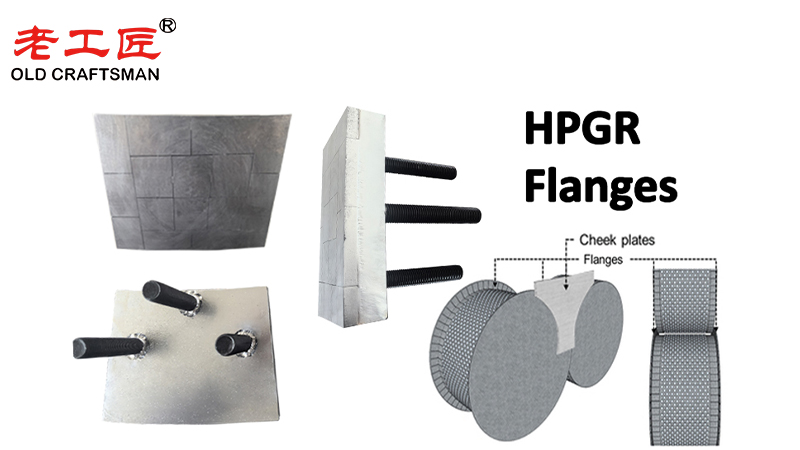
4. Longer Service Life and Lower Maintenance Costs
The main goal of improving carbide flange performance is reducing operational downtime.
Compared with conventional sintered carbide products, HIP-sintered carbide flanges can provide:
- Extended replacement intervals
- Reduced maintenance frequency
- Lower spare parts consumption
- Improved equipment availability
For mining companies, longer component life directly contributes to higher productivity and lower operating costs.
HIP Sintering vs Conventional Sintering for HPGR Carbide Flanges
| Performance Feature | Conventional Sintering | HIP Sintering |
|---|---|---|
| Density | Standard density | Higher density |
| Porosity Control | Limited | Excellent pore elimination |
| Impact Resistance | Good | Superior |
| Wear Resistance | High | Enhanced |
| Crack Resistance | Moderate | Improved |
| Service Life | Normal | Extended |
| Reliability | Standard | Higher consistency |
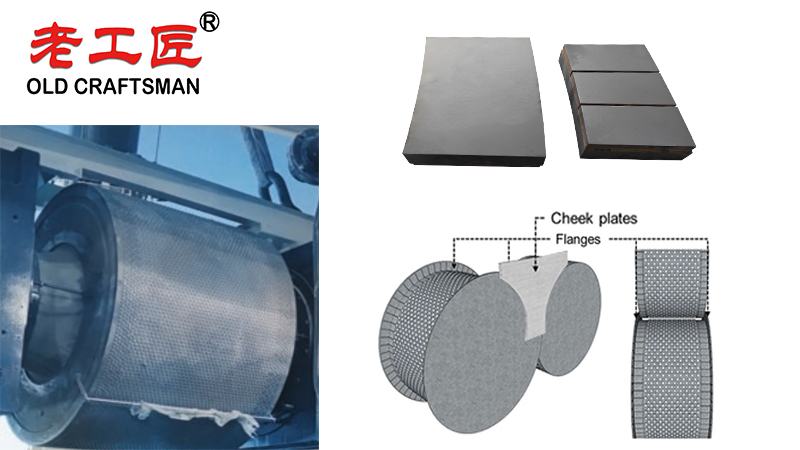
Conclusion
HIP sintering transforms a standard carbide flange into a high-performance wear part. By eliminating porosity, refining the microstructure, and strengthening the binder phase, HIP processing directly addresses the key failure mechanisms—wear and fracture—that plague HPGR operations, ultimately leading to longer service life and higher mill availability.
“Zhuzhou OC Precision Alloy Co., Ltd. could make tungsten carbide wear parts and make your equipment use life is tens of times longer than before! We specialize in providing customized carbide wear products solutions to meet the demanding requirements of industries such as aerospace, automotive, mining, and precision machining.”
Belt scraper Brazing brazingprocess carbide Carbide belt scraper carbidebrazing carbide hammer Crusher CRUSHER HAMMER HPGR HPGR feed chute liner Informational Internal stress metal mining Refractory Brick Mold Secondary belt cleaner scraper stresses VSI crusher wear plates welding