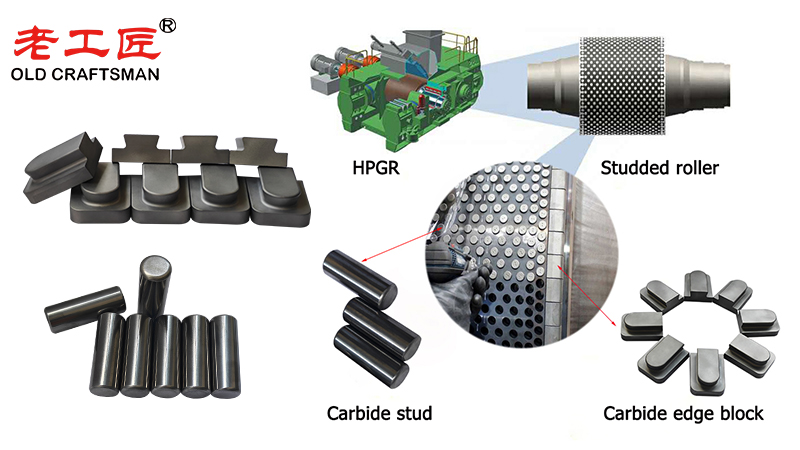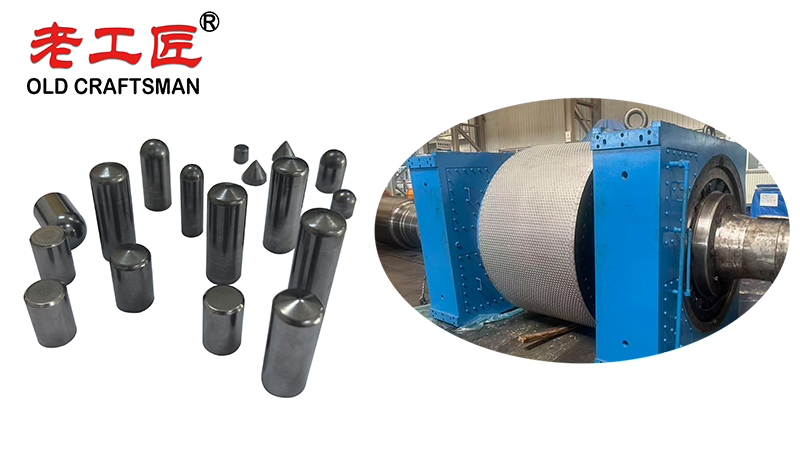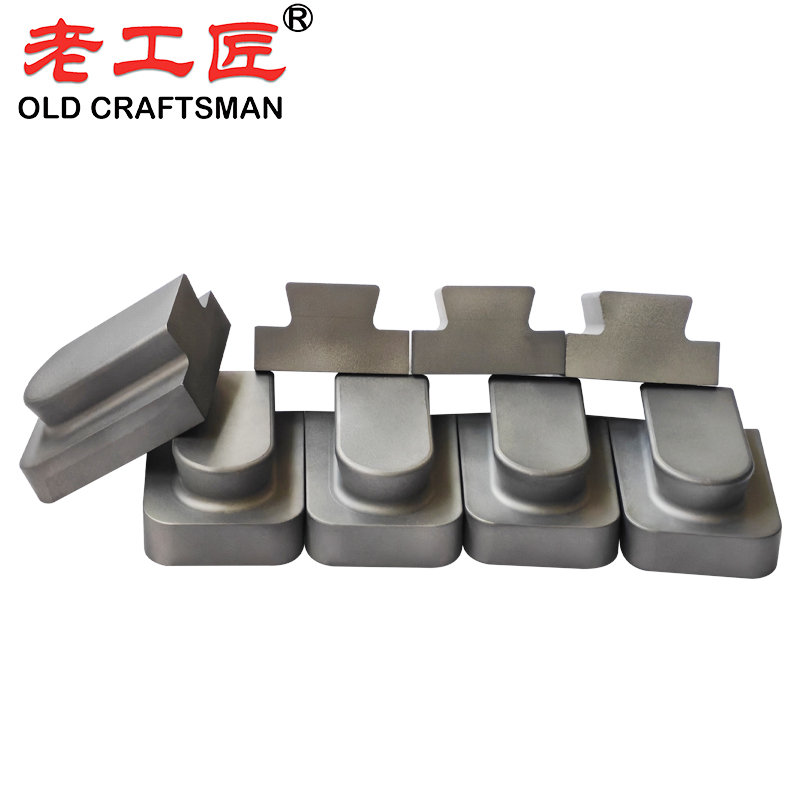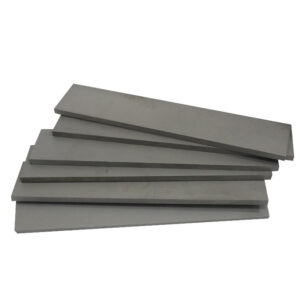
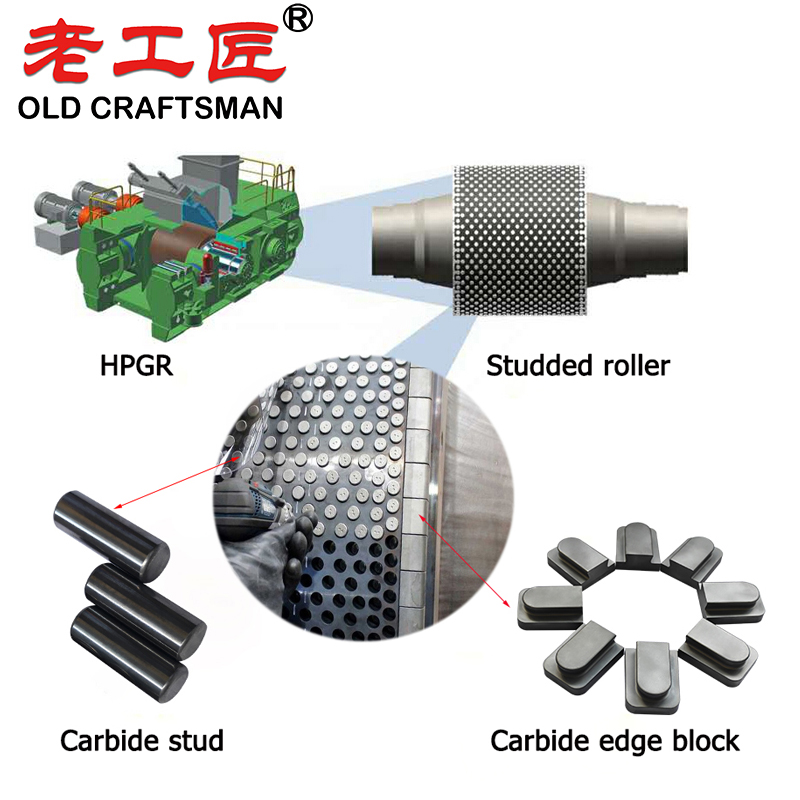
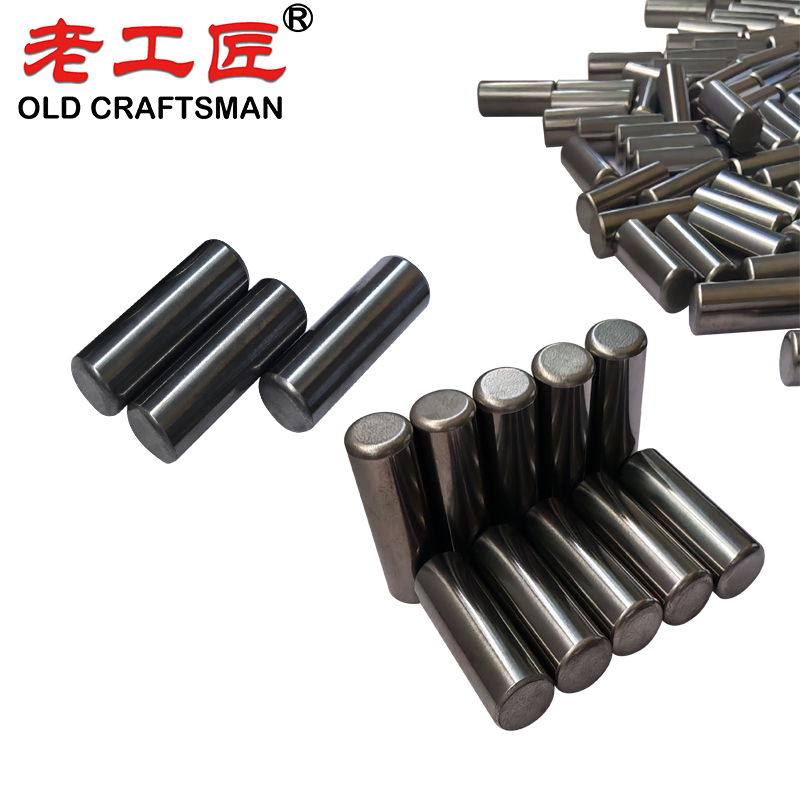
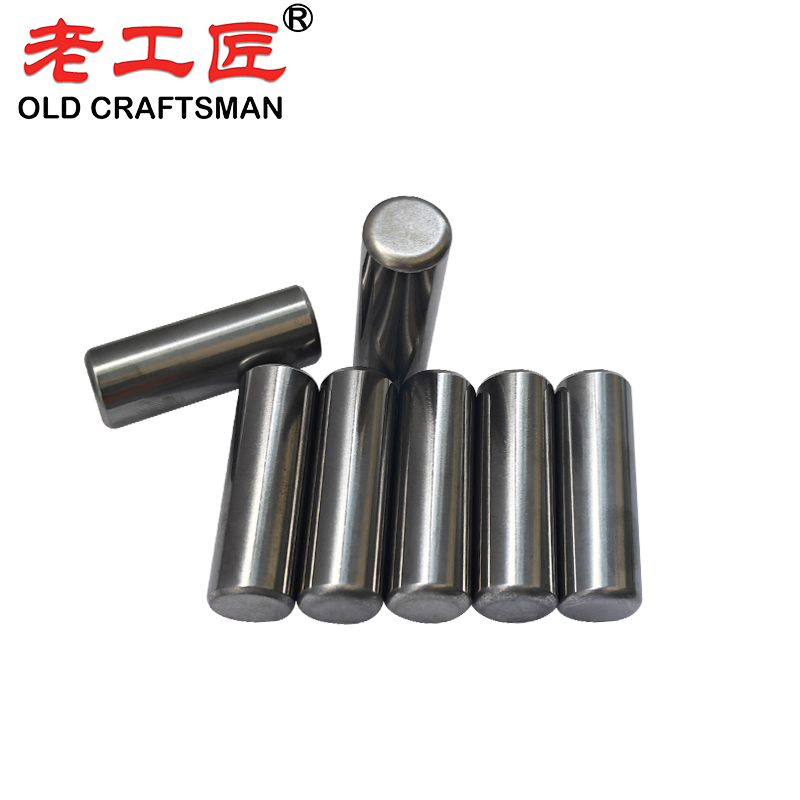
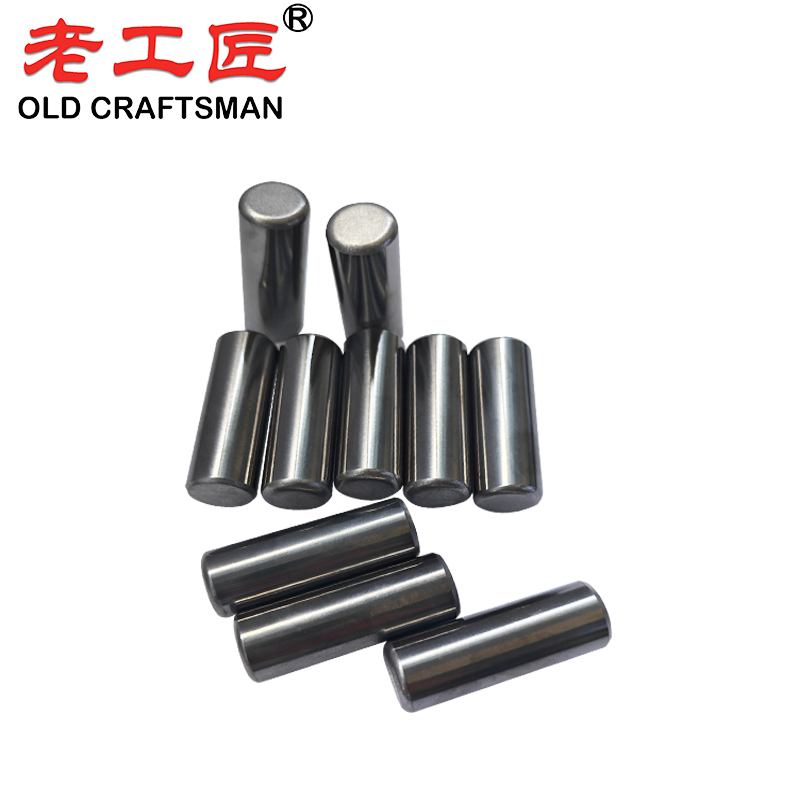
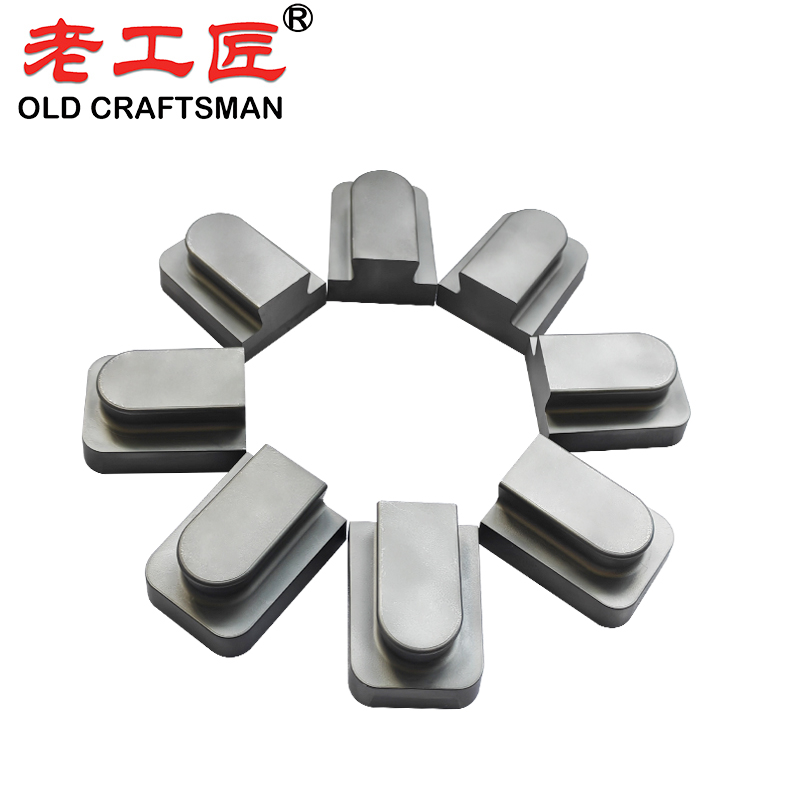
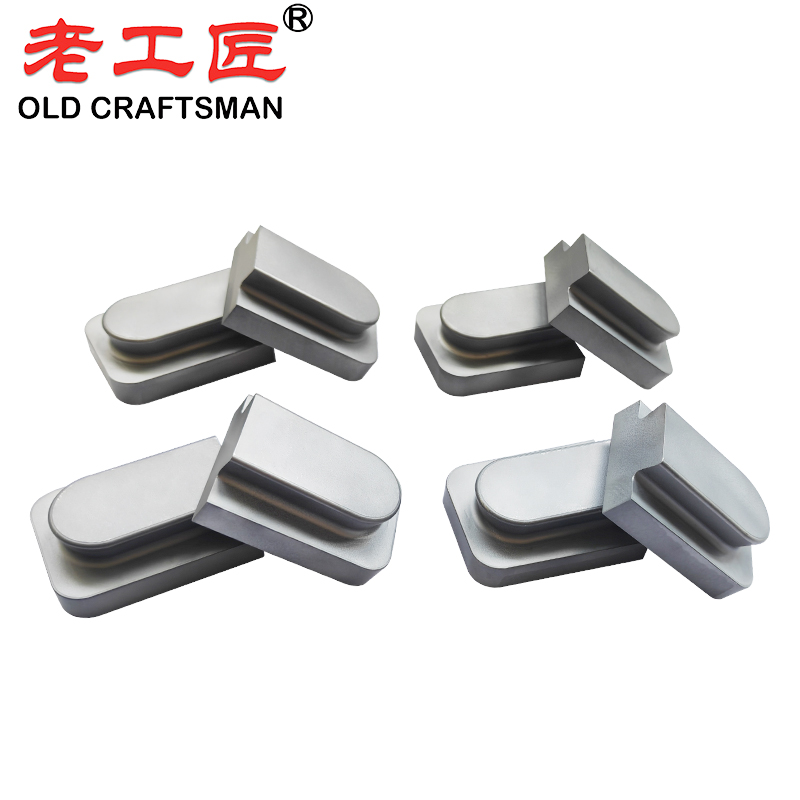
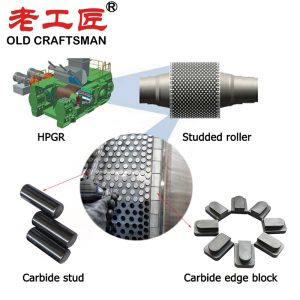
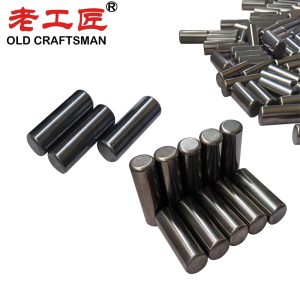
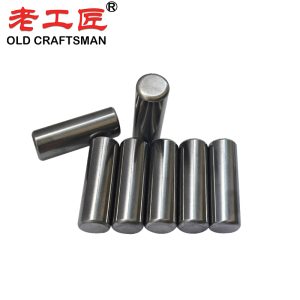
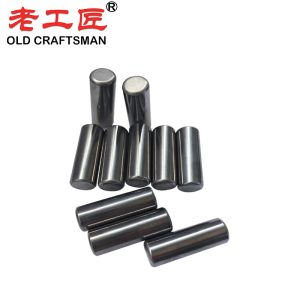
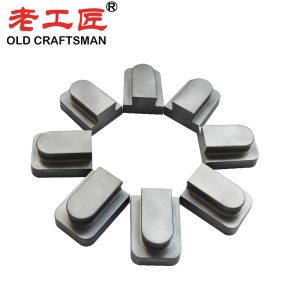
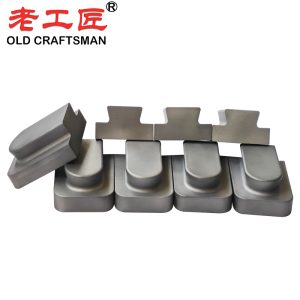
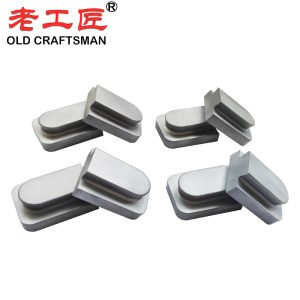
In demanding mineral processing applications, HPGR (High Pressure Grinding Roll) equipment is continuously exposed to extreme abrasion, high impact forces, and heavy material pressure. Traditional wear materials often suffer from rapid degradation, frequent replacement, and increased maintenance costs. Old Craftsman abrasion resistant HPGR carbide studs and edge blocks are engineered with premium tungsten carbide materials to provide exceptional wear resistance, impact strength, and extended service life for HPGR rollers operating in harsh mining environments.
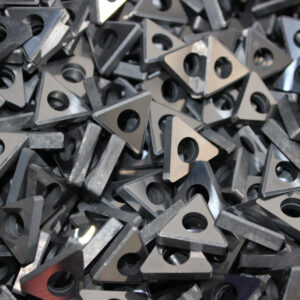
Our tungsten carbide HPGR studs and edge blocks are widely used in cement, iron ore, copper ore, gold ore, and other mineral processing industries. The specially optimized carbide grade combines high hardness with excellent toughness, helping protect the roller surface from severe abrasive wear caused by hard minerals and continuous crushing cycles.
The carbide studs are vacuum brazed or precision assembled into the roller body to ensure strong bonding performance and reliable operation. Compared with conventional wear solutions, tungsten carbide components can significantly reduce downtime caused by frequent wear replacement, improve grinding efficiency, and lower overall operating costs.
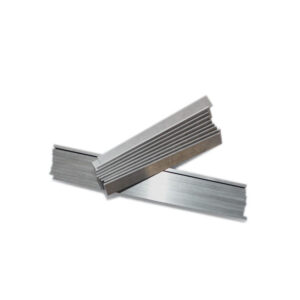
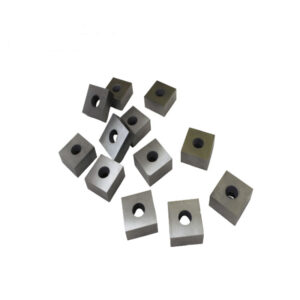
HPGR carbide edge blocks are designed to protect the vulnerable roller edges, where stress concentration and material impact are usually higher. Their superior abrasion resistance helps prevent edge damage, maintain consistent roller performance, and extend the service life of expensive HPGR equipment.
Manufactured by Old Craftsman Precision Alloy, our HPGR wear components are produced under strict quality control, including powder selection, precision sintering, HIP treatment, and surface finishing. Customized sizes, grades, and designs are available according to different HPGR models and operating conditions.
Product Features
| Feature | Description |
|---|---|
| Material | Premium Tungsten Carbide (WC-Co Alloy) |
| Application | HPGR Rollers, Mineral Crushing and Grinding Equipment |
| Main Industries | Mining, Cement, Iron Ore, Copper, Gold Processing |
| Wear Resistance | Excellent resistance against severe abrasion and erosion |
| Impact Performance | High toughness to withstand heavy crushing pressure |
| Manufacturing Process | Precision pressing, vacuum sintering, HIP treatment, grinding |
| Installation Method | Brazing, press fitting, or customized assembly solutions |
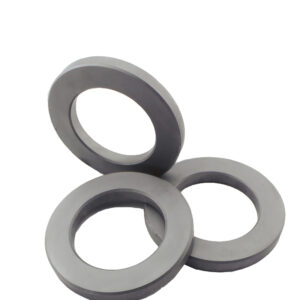
| Available Products | HPGR Carbide Studs, Carbide Edge Blocks, Customized Wear Parts |
| Customization | Available according to drawings, samples, and HPGR equipment models |
Advantages of HPGR Carbide Studs and Edge Blocks
1. Extended Wear Life
High-quality tungsten carbide provides outstanding hardness and wear resistance, allowing HPGR rollers to maintain stable performance for longer operating periods.
2. Reduced Maintenance Costs
Longer service intervals mean fewer shutdowns, reduced labor costs, and improved productivity in mineral processing plants.
3. Improved Grinding Efficiency
Durable carbide components help maintain the original roller profile, ensuring consistent crushing pressure and better grinding performance.
4. Customized Solutions
Different carbide grades, dimensions, and surface designs can be developed according to specific mining conditions, including high-abrasion and high-impact applications.
Technical Specifications
| Item | Specification |
|---|---|
| Carbide Grade | Customized WC-Co Grades Available |
| Hardness | 1300–1700 HV30 (According to Grade) |
| TRS | 2500–4000 MPa (According to Grade) |
| Grain Size | Fine Grain / Medium Grain Options |
| Density | Customized Based on Material Grade |
| Surface Finish | Ground Surface Available |
| Quality Control | Dimensional Inspection, Hardness Test, Metallographic Analysis |
Old Craftsman HPGR carbide studs and edge blocks provide a reliable wear protection solution for modern mineral processing equipment. By combining advanced tungsten carbide technology with precision manufacturing, we help mining companies maximize equipment uptime, reduce maintenance frequency, and achieve more efficient crushing operations in the most challenging working environments.