
Anyone managing a High Pressure Grinding Rolls (HPGR) operation knows the constant battle: abrasive feed material chewing through wear components, triggering unplanned downtime, and sending maintenance budgets spiraling. While the rolls get most of the attention, savvy operators know that cheek plates—the unsung heroes that contain the ore at the roll ends—are often the hidden cost driver. This is where Old Craftsman carbide cheek plates make a transformative difference by fundamentally tackling the root causes of high maintenance expenses.
For HPGR operators, choosing a high-performance cheek plate is not simply a matter of improving wear resistance. It can directly influence maintenance frequency, downtime, spare-parts consumption, and overall operating costs.
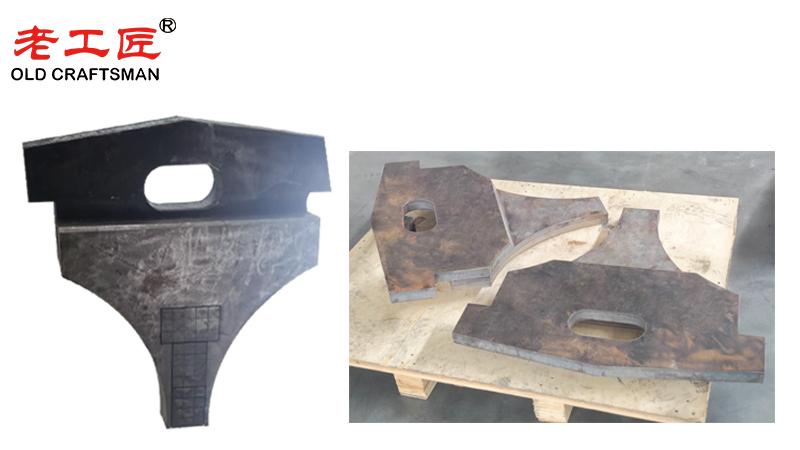
1. Longer Wear Life
HPGR cheek plates are continuously exposed to abrasive ore particles under high pressure. Conventional steel or cast materials can experience rapid wear, gradually changing the original profile and increasing the clearance between the cheek plate and roll.
Old Craftsman Carbide Cheek Plates use tungsten carbide wear components to provide excellent resistance to severe abrasion. Tungsten carbide maintains its hardness and dimensional stability under demanding operating conditions, helping extend the service life of the cheek plate.
Longer wear life means fewer replacement cycles and less frequent maintenance intervention.
2. Fewer Unplanned Shutdowns
Replacing worn HPGR cheek plates can require valuable production time, particularly when the equipment operates continuously in large-scale mining plants.
By using wear-resistant carbide protection, Old Craftsman Carbide Cheek Plates can help operators extend the maintenance interval and reduce the frequency of emergency replacements.
This allows maintenance teams to better plan inspections and scheduled shutdowns instead of responding to premature wear or unexpected failures.
3. Maintain a Stable Grinding Gap
Cheek plates help contain material within the effective grinding zone. As conventional cheek plates wear, the gap between the roll and side plate can increase, allowing more material to bypass the high-pressure grinding zone.
Research and HPGR industry experience show that minimizing lateral bypass is important for maintaining effective grinding performance.
The high wear resistance of carbide helps maintain the designed cheek plate geometry for longer, supporting a more stable operating gap and reducing the negative effects of excessive side wear.
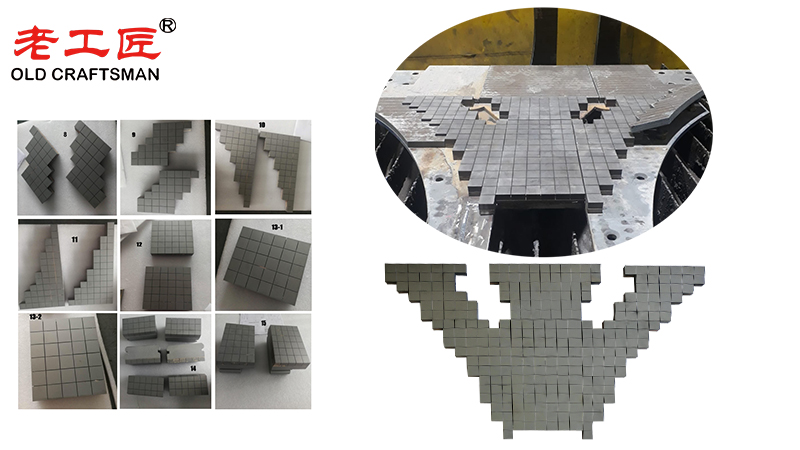
4. Reduce Spare Parts and Labor Costs
Frequent cheek plate replacement creates more than just material costs. It also involves labor, equipment preparation, installation, inspection, and production downtime.
A longer-lasting carbide cheek plate can reduce the number of replacement cycles over the equipment’s operating life. This helps lower:
- Spare parts consumption
- Maintenance labor
- Replacement frequency
- Equipment preparation time
- Production losses caused by maintenance
In other words, the initial investment in a premium carbide wear solution can be evaluated based on total cost of ownership, rather than purchase price alone.
5. Protect Other HPGR Components
Excessive wear around the roll edges can contribute to unfavorable material flow and increased wear in adjacent components. Properly designed cheek plates act as a critical wear barrier between abrasive feed material and the HPGR structure.
Maintaining the correct cheek plate profile and clearance helps protect the roll assembly while supporting stable operation.
Modern HPGR manufacturers also emphasize robust wear components and tungsten carbide protection as part of improving equipment longevity and reducing maintenance requirements.
6. Customized Carbide Solutions for Different Applications
Not every HPGR application operates under the same conditions. Ore hardness, feed size, moisture, operating pressure, roll speed, and material flow can all affect cheek plate wear.
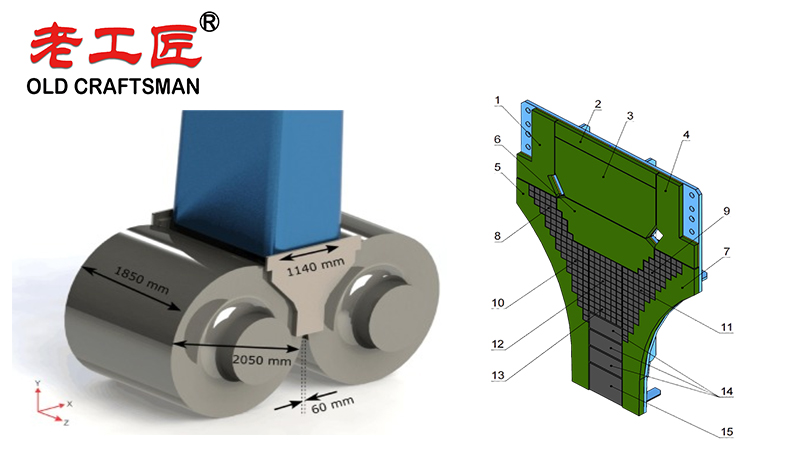
Old Craftsman can customize carbide cheek plate solutions according to equipment design and application requirements, including carbide grade, insert dimensions, arrangement, steel substrate, brazing method, and overall plate configuration.
This application-focused approach helps customers select a wear solution based on actual operating conditions rather than simply choosing a standard product.
Conclusion
HPGR maintenance costs are closely related to the service life and performance of critical wear components. High-performance carbide cheek plates can help reduce abrasive wear, extend replacement intervals, minimize downtime, and maintain a more stable grinding environment.
Old Craftsman Carbide Cheek Plates are designed for demanding HPGR applications where wear resistance, reliable performance, and lower long-term maintenance costs are essential.
For mining and mineral processing operations looking to improve HPGR reliability, upgrading to engineered tungsten carbide cheek plates can be a practical step toward reducing total maintenance costs and maximizing equipment availability.
“Zhuzhou OC Precision Alloy Co., Ltd. could make tungsten carbide wear parts and make your equipment use life is tens of times longer than before! We specialize in providing customized carbide wear products solutions to meet the demanding requirements of industries such as aerospace, automotive, mining, and precision machining.”
Belt scraper Brazing brazingprocess CARBDIE HAMMER carbide Carbide belt scraper carbidebrazing carbide hammer Crusher CRUSHER HAMMER Informational Internal stress metal mining Refractory Brick Mold Secondary belt cleaner scraper stresses VSI crusher wear plates welding