
Crusher hammers operate under some of the most demanding conditions in industrial processing. Subjected to relentless impact, abrasion, and high-stress loading, these components wear rapidly, leading to frequent replacements, costly downtime, and reduced operational efficiency. For industries ranging from mining and quarrying to cement production and recycling, extending hammer wear life is a constant challenge. Tungsten carbide has emerged as a premier solution, offering exceptional hardness and wear resistance that can dramatically improve the service life of crusher hammers.
One effective way to extend crusher hammer service life is to incorporate tungsten carbide wear protection into the working areas of the hammer. Tungsten carbide offers exceptional hardness and wear resistance, making it suitable for applications where conventional alloy steel cannot provide sufficient service life.
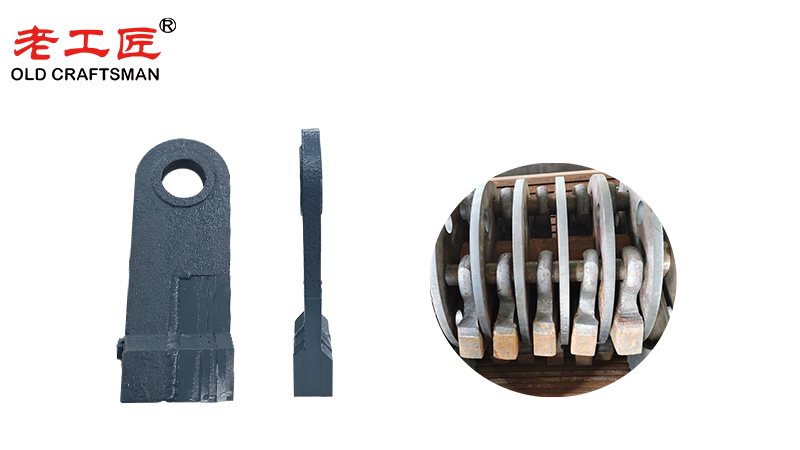
Why Crusher Hammers Wear Quickly
Crusher hammers are exposed to several forms of mechanical stress during operation, including:
- Severe abrasive wear from hard minerals
- Repeated impact from crushed materials
- High contact pressure
- Material sliding and friction
- Thermal and mechanical stress
- Uneven wear on high-contact areas
Depending on the material being processed, a conventional steel hammer may gradually lose its working profile. Once excessive wear occurs, crushing efficiency can decrease and the hammer may need to be replaced.
For high-abrasion applications, improving the wear resistance of the hammer can significantly reduce maintenance requirements.
How Tungsten Carbide Improves Wear Resistance
Tungsten carbide is one of the hardest engineering materials commonly used for industrial wear protection. It combines high hardness with good resistance to abrasive wear.
When tungsten carbide is strategically applied to the working surface or high-wear zones of a crusher hammer, it can provide a protective layer against abrasive materials.
The basic principle is simple:
Steel body provides toughness and structural support, while tungsten carbide provides enhanced wear resistance.
This combination allows the hammer to maintain its working profile for a longer period compared with conventional steel designs in suitable applications.
Key Benefits of Tungsten Carbide Crusher Hammers
1. Extended Wear Life
The primary advantage of tungsten carbide is its ability to resist severe abrasion. Carbide-reinforced areas can maintain their dimensions for longer periods, potentially extending the replacement interval of crusher hammers.
Actual wear life depends on factors such as material hardness, crusher type, operating conditions, carbide grade, and hammer design.
2. Reduced Maintenance Frequency
Longer-lasting wear components can reduce the frequency of crusher shutdowns for hammer replacement.
Fewer maintenance interventions can help improve equipment availability and simplify maintenance planning, particularly in continuous mining and aggregate operations.
3. Better Wear Protection in High-Abrasion Zones
Not every area of a crusher hammer experiences the same level of wear. Tungsten carbide can be positioned in specific high-wear areas where additional protection is required.
This targeted approach can provide a practical balance between wear resistance, impact resistance, and manufacturing cost.
4. Improved Dimensional Stability
As a crusher hammer wears, its original working geometry can change. Excessive wear may affect the interaction between the hammer and the processed material.
Carbide wear protection helps slow down material loss in critical areas, allowing the hammer to maintain its designed profile for a longer operating period.
5. Potentially Lower Cost per Ton
The purchase price of a carbide-reinforced hammer may be higher than that of a conventional hammer. However, purchase price alone does not determine the overall operating cost.
A more useful measurement is often the cost per ton of material processed.
If a carbide hammer provides substantially longer service life and reduces downtime, the additional initial investment may be offset by lower replacement and maintenance costs.
Vacuum Brazing for Carbide Crusher Hammers
For demanding applications, vacuum brazing can be used to join tungsten carbide wear elements to a steel hammer body.
Vacuum brazing provides a controlled joining process and can help create a strong connection between the carbide and steel components.
A typical manufacturing process may include:
Raw Material → Powder Mixing → Pressing → Sintering → Grinding → Vacuum Brazing → Final Inspection
The carbide components are manufactured to the required dimensions before being brazed onto the steel hammer at designated wear locations.
Proper control of brazing temperature, joint design, carbide positioning, and surface preparation is important for achieving reliable performance.
Selecting the Right Tungsten Carbide Grade
Choosing the correct carbide grade is essential for crusher hammer applications.
Different grades provide different combinations of hardness, toughness, cobalt content, and wear resistance. A grade designed for extreme abrasion may not always be the best choice for applications involving severe impact.
When selecting a carbide grade, manufacturers should consider:
- Material being crushed
- Material hardness and abrasiveness
- Impact intensity
- Crusher operating speed
- Hammer dimensions
- Expected service life
- Operating temperature
- Brazing or attachment method
For this reason, carbide grade selection should be based on actual working conditions rather than simply choosing the hardest available grade.
Design Matters as Much as Material
Using tungsten carbide alone does not guarantee longer hammer life. The overall hammer design also plays an important role.
Important design considerations include:
Carbide Placement
Carbide should be positioned in areas where abrasive wear is most severe. Strategic placement can provide effective protection without unnecessarily increasing material cost.
Carbide Geometry
The size, shape, and arrangement of carbide elements can influence impact resistance and wear behavior.
Steel Substrate
The steel body must provide adequate structural strength and toughness to withstand repeated impact.
Brazed Joint Quality
A reliable bond between carbide and steel is essential. Poor brazing can lead to premature carbide loss even when the carbide itself has excellent wear resistance.
Tungsten Carbide Crusher Hammers for Different Applications
Carbide-reinforced crusher hammers can be considered for various applications, including:
- Mining
- Cement plants
- Limestone crushing
- Aggregate production
- Quarrying
- Coal processing
- Recycling
- Industrial mineral processing
The appropriate hammer construction should be selected according to the crusher model, processed material, and operating environment.
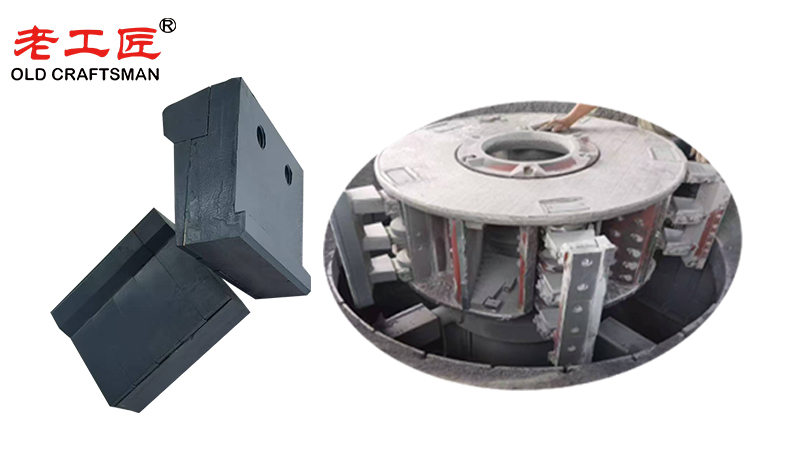
How to Maximize Crusher Hammer Service Life
In addition to using tungsten carbide, several operating practices can further improve hammer performance:
- Choose the appropriate carbide grade for the actual wear and impact conditions.
- Optimize carbide placement according to the wear pattern of the hammer.
- Use a reliable brazing process to ensure secure attachment.
- Inspect hammers regularly and monitor wear before severe damage occurs.
- Maintain proper crusher settings to avoid abnormal loading.
- Keep feed material conditions consistent where possible.
- Record actual service life to compare different carbide grades and designs.
Combining material selection, optimized design, quality manufacturing, and proper operation can provide better overall wear performance.
Why Choose Old Craftsman Tungsten Carbide Crusher Hammers?
Old Craftsman manufactures tungsten carbide wear components and customized carbide solutions for demanding industrial applications.
Our carbide crusher hammers can be customized according to customer drawings, crusher specifications, wear conditions, and application requirements. Tungsten carbide wear elements can be integrated into selected high-wear areas to provide additional abrasion resistance.
Our manufacturing capabilities cover carbide production, precision grinding, and vacuum brazing, allowing us to control the key processes from carbide manufacturing to finished wear components.
For customers looking to improve crusher hammer service life, we can evaluate the existing hammer design, wear pattern, carbide grade, and operating conditions to develop a suitable carbide-reinforced solution.
Conclusion
Crusher hammer wear can significantly affect maintenance costs, equipment availability, and crushing efficiency. Tungsten carbide reinforcement provides a practical approach to improving wear resistance in applications exposed to severe abrasion.
By combining a tough steel substrate with strategically positioned tungsten carbide, manufacturers can develop crusher hammers designed for longer service life and improved wear protection.
The best solution depends on the actual crushing conditions. Carbide grade, carbide geometry, brazing quality, hammer design, and operating parameters should all be considered together.
For customized tungsten carbide crusher hammers, contact Old Craftsman with your hammer drawing, material specifications, and operating conditions for a technical evaluation and quotation.
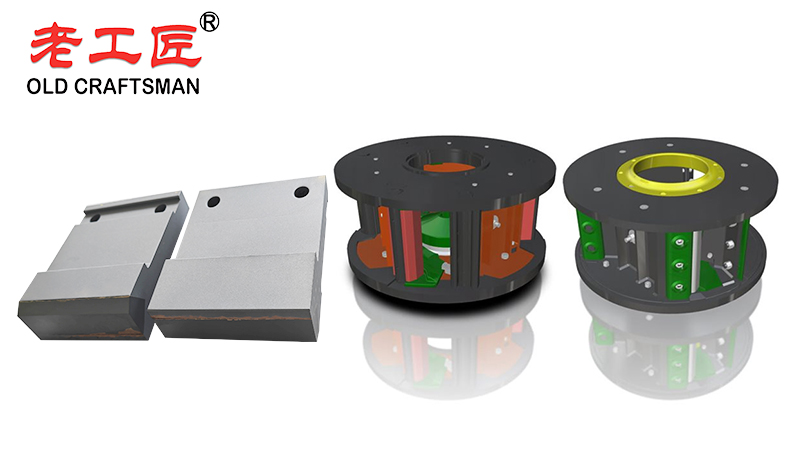
Beyond carbide crusher hammer, our extensive portfolio includes a broad spectrum of solutions specifically designed for industries demanding exceptional wear and impact resistance. Our premium offerings include HPGR Wear Parts, durable mining wear liner plates, mining carbide conveyor belt cleaner, specialized components for sand-making machines, protective linings for refractory brick molds, and efficient intensive mixer blades.
“Zhuzhou OC Precision Alloy Co., Ltd. could make tungsten carbide wear parts and make your equipment use life is tens of times longer than before! We specialize in providing customized carbide wear products solutions to meet the demanding requirements of industries such as aerospace, automotive, mining, and precision machining.”
Belt scraper Brazing brazingprocess carbide Carbide belt scraper carbidebrazing carbide hammer Crusher CRUSHER HAMMER HPGR HPGR feed chute liner Informational Internal stress metal mining Refractory Brick Mold Secondary belt cleaner scraper stresses VSI crusher wear plates welding