
Carbide hammers, composed of tungsten carbide—a material second only to diamond in hardness—offer a paradigm shift in durability. While a standard steel hammer may last for a few thousand tons before showing significant wear, a carbide-tipped or solid carbide hammer can extend that lifespan by 3 to 5 times. This dramatic increase in longevity translates directly to reduced downtime. Fewer shutdowns for hammer changes mean more hours of active production and a significant drop in labor costs associated with maintenance crews. Long-life mining carbide crusher hammers provide an effective solution by combining a tough steel body with highly wear-resistant tungsten carbide working surfaces.
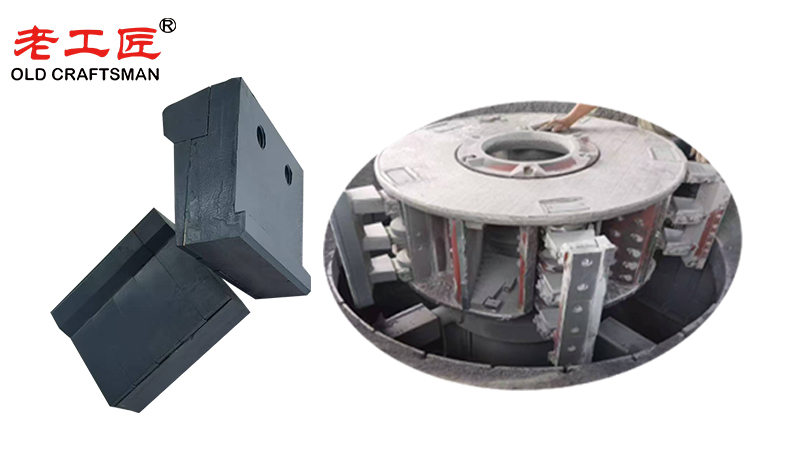
1. Extended Service Life
The primary advantage of carbide crusher hammers is their excellent resistance to abrasive wear. Tungsten carbide provides a very hard working surface that helps protect high-wear areas from rapid material loss.
For applications involving highly abrasive ores and rocks, carbide reinforcement can significantly extend hammer service life compared with conventional wear materials. Longer service intervals mean fewer replacement parts are required and maintenance teams spend less time changing worn hammers.
2. Reduced Crusher Downtime
Hammer replacement requires equipment shutdown, removal of worn components, installation of new parts, and inspection before restarting production. Frequent maintenance interruptions can reduce overall equipment availability.
Long-life carbide crusher hammers allow maintenance intervals to be extended, helping mining plants keep crushers operating for longer periods. This can reduce unplanned downtime and improve production continuity.
3. Lower Labor and Spare-Part Costs
Maintenance costs include much more than the purchase price of a hammer. Labor, equipment shutdowns, spare-parts inventory, transportation, and lost production can all contribute to the total cost.
By reducing replacement frequency, carbide crusher hammers can lower maintenance labor requirements and help plants reduce their consumption of spare parts. The result is a lower total cost of ownership over the working life of the crusher.
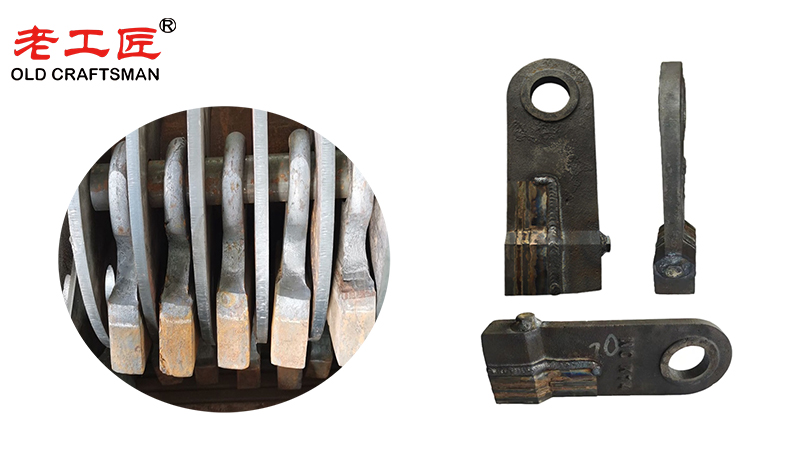
4. Better Wear Resistance for Harsh Mining Conditions
Mining crushers often operate under severe impact-abrasion conditions. Research on ore-crushing hammers has shown that repeated impact and abrasion can cause significant material loss through mechanisms such as surface fracture and spalling.
Tungsten carbide reinforcement provides a highly wear-resistant surface while the supporting steel body provides structural toughness. This combination makes carbide crusher hammers suitable for demanding applications where both abrasion resistance and mechanical durability are important.
5. Maintaining Crushing Performance
Hammer geometry changes as conventional hammers wear. Excessive wear can affect crushing efficiency and product consistency.
Because carbide-protected working areas maintain their profile for longer, they can help stabilize crushing performance throughout the service interval. Consistent wear behavior can contribute to predictable particle sizing and more efficient operation.
6. Lower Total Cost of Ownership
A carbide crusher hammer may have a higher initial purchase price than a conventional hammer. However, evaluating the product based only on purchase price can overlook the costs associated with frequent replacement.
A more useful calculation considers:
- Hammer service life
- Replacement frequency
- Maintenance labor
- Crusher downtime
- Spare-parts inventory
- Production losses
- Cost per ton of processed material
When carbide hammers provide substantially longer wear life, the higher initial investment can be offset by lower maintenance and operating costs.
Conclusion
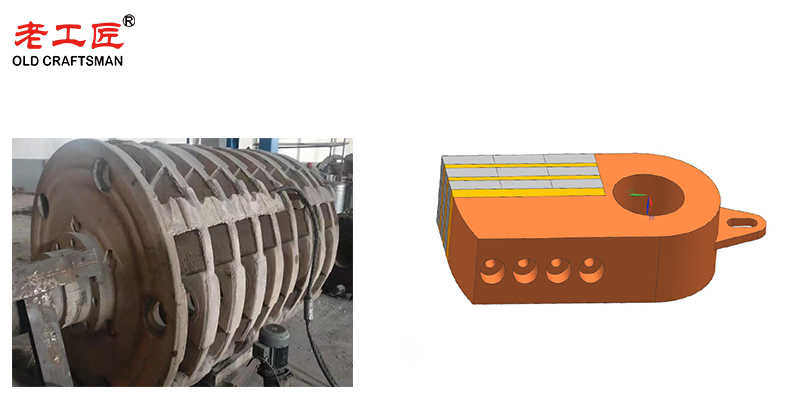
Long-life mining carbide crusher hammers are designed to address one of the most important challenges in crushing operations: excessive wear and frequent maintenance. By combining tungsten carbide’s high wear resistance with a durable hammer body, they can help extend service intervals, reduce downtime, lower replacement costs, and maintain stable crushing performance.
For mining, quarrying, cement, aggregate, and other abrasive applications, choosing the right carbide grade, hammer geometry, carbide distribution, and bonding method is essential for achieving the best service life. Customized carbide crusher hammers can be manufactured according to crusher models, drawings, material characteristics, and specific operating conditions.
Belt scraper Brazing brazingprocess carbide Carbide belt scraper carbidebrazing carbide hammer Crusher CRUSHER HAMMER HPGR HPGR feed chute liner Informational Internal stress metal mining Refractory Brick Mold Secondary belt cleaner scraper stresses VSI crusher wear plates welding