
Mining operators are making the switch to vacuum-brazed carbide conveyor belt cleaners primarily to solve the problem of “carryback”—the material that sticks to the belt after dumping its load. This sticky residue causes significant operational headaches, from damaging equipment to creating unsafe working conditions. The switch is driven by the technology’s ability to dramatically outlast traditional options, reduce costly downtime, and lower overall operating expenses.
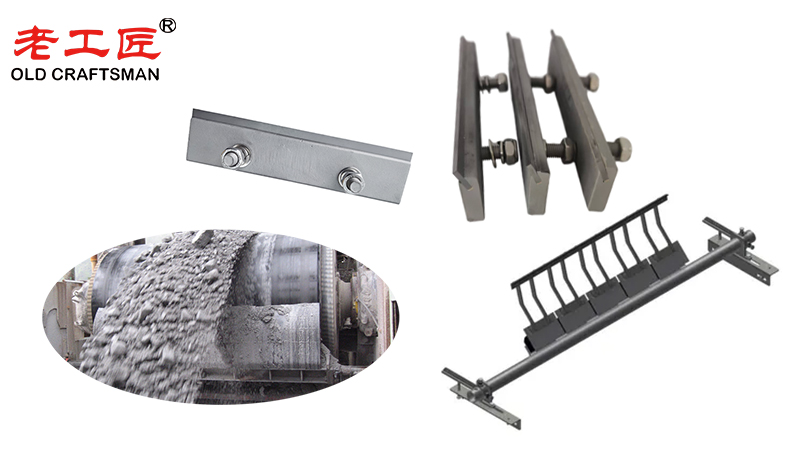
Here is a quick comparison of how the different cleaner materials stack up in a typical mining environment:
| Cleaner Type | Typical Lifespan (Mining) | Key Issue in Mining |
|---|---|---|
| Polyurethane / Rubber | 2–4 months | Wears down extremely fast against abrasive materials like ore and stone. |
| Standard Tungsten Carbide | 6–10 months | Tips can detach (“pop-off”) due to vibration and impact from mechanical belt splices. |
| Vacuum Brazed Carbide | 8–18 months | The solution: superior bonding prevents tip loss; lasts 3-5x longer than standard options. |
🔧 The Core Advantage: A Flawless Bond
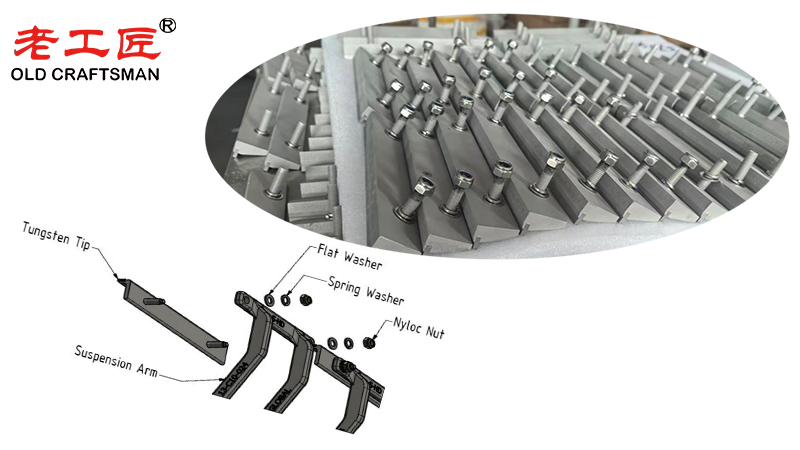
The key isn’t just the tungsten carbide (one of the hardest materials known), but the vacuum brazing process used to attach it to the blade. Unlike traditional welding, this process takes place in an oxygen-free furnace. This creates a metallurgical bond that is actually stronger than the carbide itself.
- No Tip Loss: This eliminates the #1 failure mode for standard carbide cleaners, where tips snap off under high-impact shocks.
- Self-Sharpening Edge: As the blade wears, fresh, sharp carbide particles are continuously exposed, maintaining aggressive cleaning power without constant manual adjustments.
💰 The Financial Case: Lower Total Cost of Ownership
While the upfront cost is 30-50% higher than standard scrapers, the long-term savings are compelling.
- Reduced Downtime: A blade that lasts 4 to 6 times longer means fewer shutdowns for replacements. Operators report up to 25-30% less downtime and 40% savings in maintenance costs.
- Lower Operating Costs: One source notes a potential reduction in annual operating costs of up to 58% when switching from conventional blades.
- Rapid ROI: Many mine operators report a payback period of less than three months due to these savings.
🛡️ Solving Major Operational Pain Points
Beyond just cleaning, the technology protects the entire conveyor system.
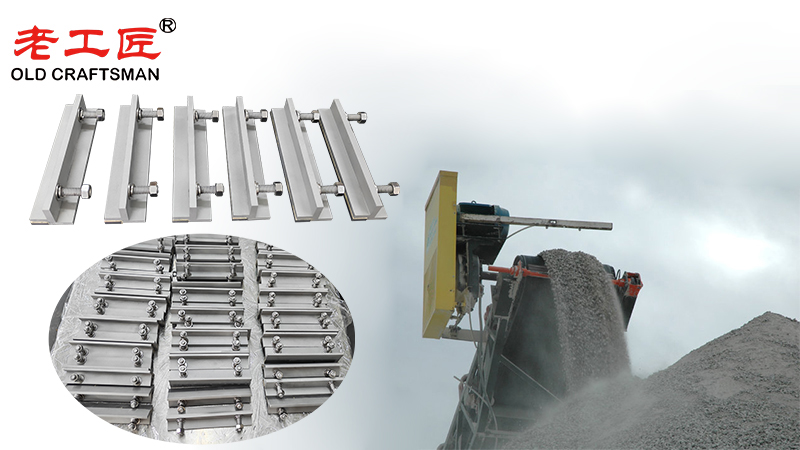
- Extends Belt Life: A dirty belt acts like sandpaper on return rollers. By aggressively removing residue, the cleaner eliminates this abrasive friction, potentially extending the life of a multi-million dollar conveyor belt by years.
- Enhances Safety: Carryback creates slippery floors and generates airborne dust when it dries. A cleaner belt reduces these slip, trip, and respiratory hazards, helping mines pass health and safety inspections.
In short, mining operators are switching because vacuum-brazed carbide cleaners are a strategic investment that directly improves throughput, safety, and profitability. The switch isn’t just about a cleaner belt; it’s about a more reliable and cost-effective operation.
“Zhuzhou OC Precision Alloy Co., Ltd. could make tungsten carbide wear parts and make your equipment use life is tens of times longer than before! We specialize in providing customized carbide wear products solutions to meet the demanding requirements of industries such as aerospace, automotive, mining, and precision machining.”
Belt scraper Brazing brazingprocess CARBDIE HAMMER carbide Carbide belt scraper carbidebrazing carbide hammer Crusher CRUSHER HAMMER Informational Internal stress metal mining Refractory Brick Mold Secondary belt cleaner scraper stresses VSI crusher wear plates welding