
Vacuum brazed carbide conveyor belt cleaners outperform traditional materials primarily due to the superior bond strength of the vacuum brazing process and the extreme hardness of tungsten carbide. This combination creates a cleaner that lasts significantly longer, requires far less maintenance, and provides better protection for the conveyor belt itself.
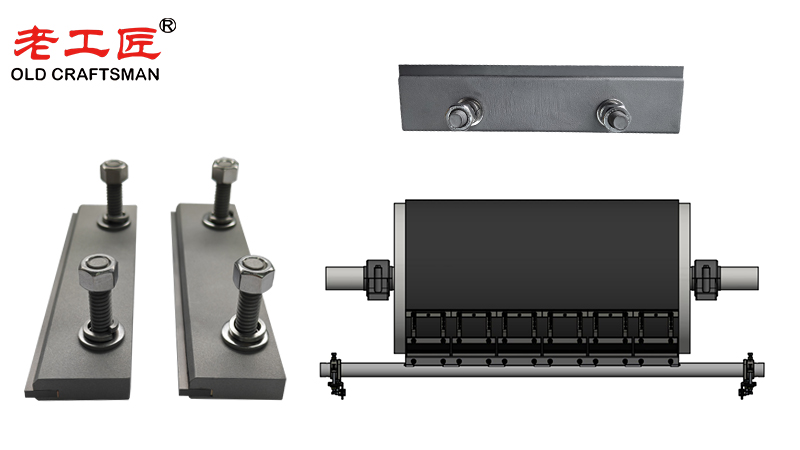
Here is a detailed breakdown of why this technology is superior:
1. The Science of Superior Bonding: Vacuum Brazing vs. Traditional Methods
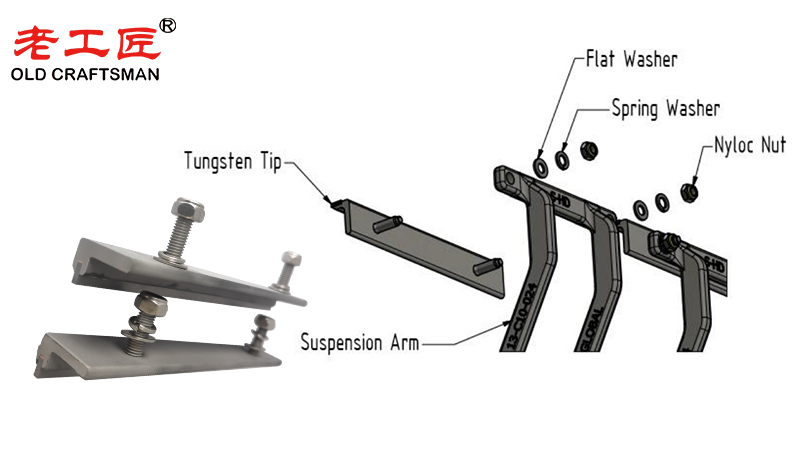
The core advantage isn’t just the material, but how it’s attached. Traditional cleaners often use mechanically attached carbide tips or welded steel. These methods create weak points where tips can loosen, catch on belt splices, or break off.
Vacuum brazing, in contrast, is a high-tech process performed in an oxygen-free furnace. This creates a metallurgical bond that is stronger than the tungsten carbide itself and eliminates the weak spots and oxidation found in other methods. The result is a blade that can withstand high impacts and glide over belt splices without losing its tips, solving the “carbide pop-off” problem common in standard designs.
2. Unmatched Material Hardness: Tungsten Carbide
The cleaning tips themselves are made of tungsten carbide, one of the hardest materials available, second only to diamond . Its extreme hardness (85-92 HRA) provides exceptional resistance to wear from highly abrasive materials like iron ore, coal, and aggregate.
| Feature | Traditional Polyurethane / Rubber | Traditional Mechanically Attached Carbide | Vacuum Brazed Carbide |
|---|---|---|---|
| Bonding Method | Adhesive / Molded | Mechanical Clamping / Silver Soldering | Metallurgical Bond (Vacuum Furnace) |
| Abrasion Resistance | Low (wears in 200-500 hrs) | Moderate (1,500-2,000 hrs) | High (5,000+ hrs) |
| Impact Strength & Splice Tolerance | Poor (tears, chunks break off) | Moderate (tips can catch and loosen) – | High (glides over splices, no tip loss) |
| Carry-back Reduction | 85-90% | 90-95% | 98-99% |
3. Real-World Performance and Cost Benefits
This superior technology translates directly into quantifiable operational savings. While the upfront cost is higher, the total cost of ownership is significantly lower -1-4.
- Extended Service Life: A standard cleaner might need replacement every 6-12 weeks, whereas a vacuum brazed carbide cleaner can last 8 to 24 months in similar heavy-duty conditions.
- Reduced Maintenance: Longer life means drastically fewer change-outs. Operations report needing only 2 man-hours per year for maintenance compared to 12 man-hours for standard blades.
- Lower Annual Cost: One case study showed an annual operating cost of roughly $1,350 for a vacuum brazed cleaner, compared to about $3,800 for a standard model—a 65% cost saving.
- Better Belt Protection: By achieving 98-99% carryback reduction, these cleaners prevent abrasive material from getting trapped between the belt and pulleys, which significantly lowers the risk of belt damage and mistracking.
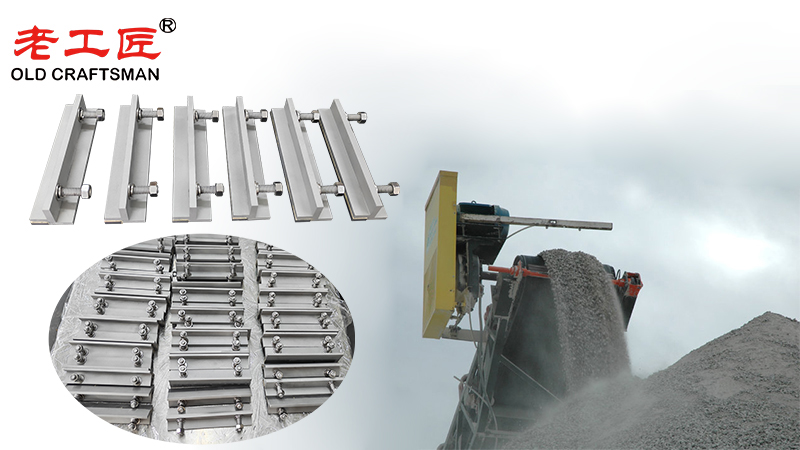
In summary, vacuum brazed carbide cleaners outperform traditional materials by offering a combination of a virtually indestructible bond and a near-diamond-hard cutting edge, making them the definitive solution for high-abrasion, high-impact industrial environments.
“Zhuzhou OC Precision Alloy Co., Ltd. could make tungsten carbide wear parts and make your equipment use life is tens of times longer than before! We specialize in providing customized carbide wear products solutions to meet the demanding requirements of industries such as aerospace, automotive, mining, and precision machining.”
Belt scraper Brazing brazingprocess carbide Carbide belt scraper carbidebrazing carbide hammer Crusher CRUSHER HAMMER HPGR HPGR feed chute liner Informational Internal stress metal mining Refractory Brick Mold Secondary belt cleaner scraper stresses VSI crusher wear plates welding