
If you manage a bulk material handling system, you know the drill. The hidden costs aren’t in the purchase price of the equipment; they are in the “nickel and dime” downtime. Every time a conveyor belt tears, a pulley lags, or a skirt board wears out, you aren’t just buying a part—you are losing hours of production.
Enter the ZZ Old Craftsman Vacuum Brazed Carbide. While the name evokes a sense of rugged, old-school durability, the technology is actually a precision solution for one of the biggest headaches in modern industry: carryback and belt wear.
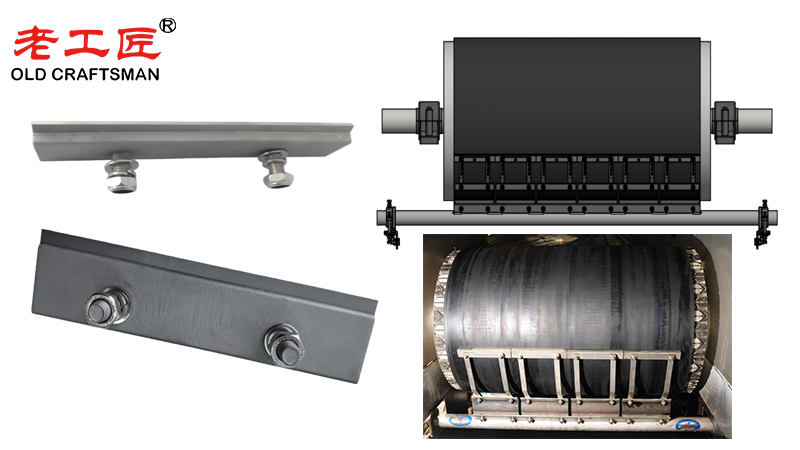
Here is how this specific tool slashes your maintenance budget.
1. The “Scraper vs. Belt” Battle Ends
Traditional conveyor belt cleaners use polyurethane or tungsten carbide tips held in by mechanical fasteners. As they wear, they create a gap. That gap lets sharp, abrasive materials (like limestone, coal, or sand) slip through. Those materials then get trapped between the belt and the return idler, acting like sandpaper on a windshield. The result? Belt cover wear, punctures, and eventual splicing.
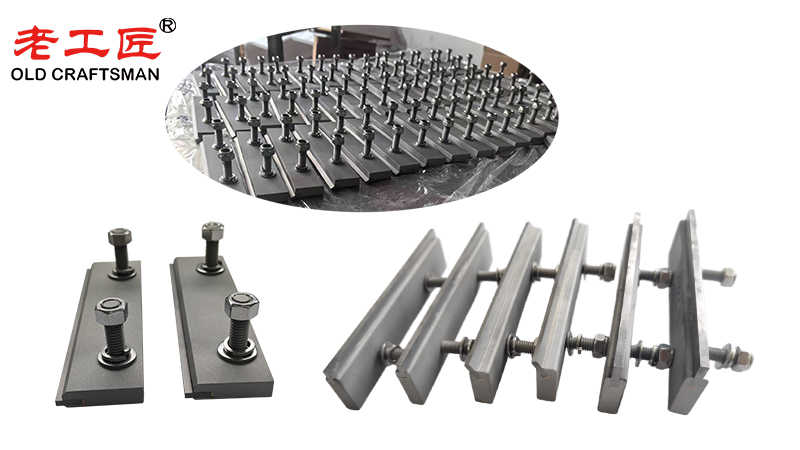
The ZZ Old Craftsman approach uses vacuum brazing. This process fuses the carbide to the base metal without porosity (tiny air pockets). The result is an exceptionally sharp, aggressive, and consistent scraping edge. Because the diamond-like carbide structure is uniform, it cleans the belt in a single pass without needing excessive tension. Less tension means less friction on the belt splice and cover.
2. Eliminating “Sandpaper Effect”
Roughly 70% of conveyor belt maintenance costs stem from carryback—material that sticks to the belt after dumping. This material falls off along the return path, piling up under the conveyor. Those piles must be shoveled by hand (expensive labor) and eventually jam the return rollers.
Vacuum brazed carbide is incredibly hard (72-74 HRC). It scrapes the belt clean down to the fabric. By keeping the belt surgically clean, the ZZ system prevents material from ever reaching the return idlers. Clean idlers spin freely. Free-spinning idlers don’t wear flat spots. No flat spots means no belt tracking issues or edge damage.
3. Extreme Longevity in High Heat
Many maintenance budgets blow up because operators use standard carbide in high-temperature environments (such as foundry sand or hot sinter). Standard brazing melts and the carbide tips fall off.
The vacuum brazing process used by ZZ Old Craftsman eliminates oxidation during welding. The bond is metallurgically superior, handling temperatures up to 1,500°F intermittently. You aren’t replacing tips every two weeks; you might go six months to a year between changes.
4. The Bottom Line Calculation
Let’s do the math:
- Standard System: Replace tips every 4 weeks (200inparts)+2hoursdowntime(500 in lost production) + 1 hour labor (100)=800 every month.
- ZZ Vacuum Brazed: Replace tips every 24 weeks (250inparts)+2hoursdowntime+1hourlabor=850 every six months.
The Verdict
The ZZ Old Craftsman Vacuum Brazed Carbide doesn’t just clean a belt; it changes the physics of friction in your plant. It reduces abrasive wear on your belt surface, eliminates carryback piles, and extends the life of your rollers and pulleys.
If you want to lower your maintenance budget, stop buying cheap scrapers. Invest in vacuum brazed carbide. Your conveyor belt—and your P&L statement—will thank you.
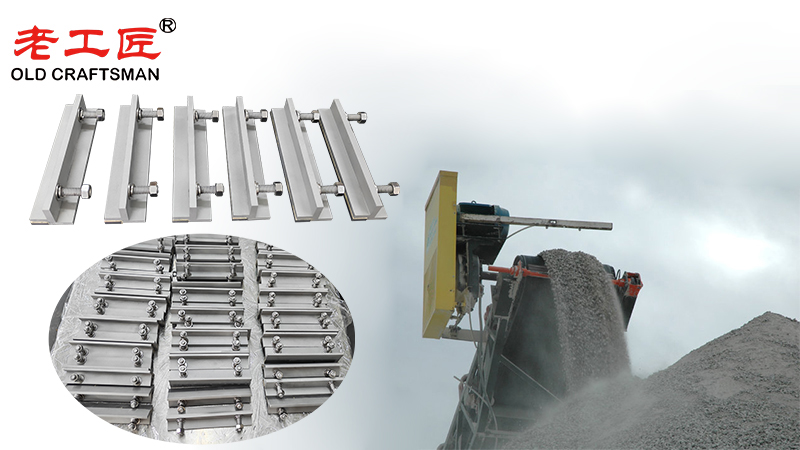
“Zhuzhou OC Precision Alloy Co., Ltd. could make tungsten carbide wear parts and make your equipment use life is tens of times longer than before! We specialize in providing customized carbide wear products solutions to meet the demanding requirements of industries such as aerospace, automotive, mining, and precision machining.”
Belt scraper Brazing brazingprocess carbide Carbide belt scraper carbidebrazing carbide hammer Crusher CRUSHER HAMMER HPGR HPGR feed chute liner Informational Internal stress metal mining Refractory Brick Mold Secondary belt cleaner scraper stresses VSI crusher wear plates welding