
What Are Mining Carbide Conveyor Belt Drag Plates and Why Are They Important?
If you’ve ever visited a large-scale mining operation, you know it’s a world of immense pressure, constant vibration, and unrelenting abrasion. At the heart of this chaos is the conveyor belt—a massive rubber “river” moving thousands of tons of ore every hour. But there is a hidden hero keeping that belt on track: the Carbide Conveyor Belt Drag Plate.
While the name sounds highly technical, the function is surprisingly straightforward. Let’s break down what these components are and why they are non-negotiable for safety and efficiency.
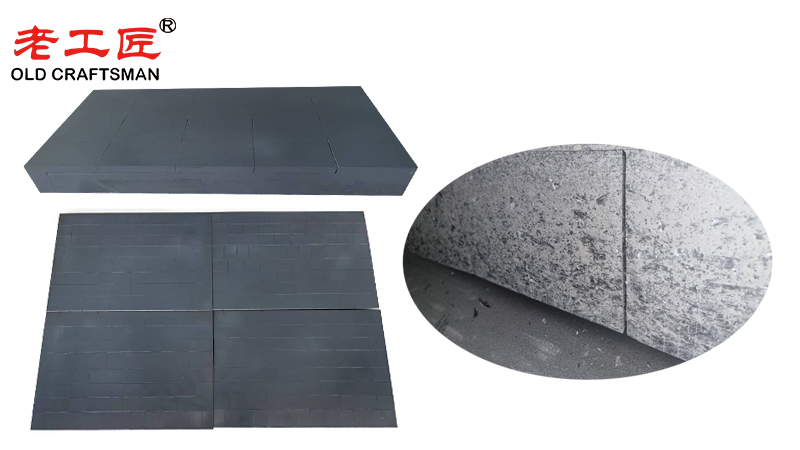
What Are They?
A drag plate (often called a wear plate or liner) is a protective barrier installed at transfer points, chutes, and loading zones along a conveyor system. The “Carbide” part refers to Tungsten Carbide—an ultra-hard ceramic-like material.
Manufacturers take a steel base plate and stud it with tungsten carbide inserts or overlay it with carbide tiles. The result is a surface that looks like a heavy-duty cheese grater but acts like armor.
Unlike standard steel plates that rely on thickness to last, carbide drag plates rely on hardness. Tungsten Carbide ranks between 8.5 and 9 on the Mohs hardness scale (diamonds are a 10). This means it can withstand the direct impact of sharp, jagged rocks sliding down a chute without gouging or deforming.
How Do They Work?
The “drag” in drag plate refers to friction. As the conveyor belt moves, material falls onto the loading zone. The belt rests on these plates. When material (like iron ore or coal) spills or bounces, it lands on the carbide plates instead of the belt itself.
Furthermore, these plates often feature a dimpled or grooved pattern. This creates a “cushion” of trapped fines (small particles) that actually allows the belt to glide over the surface, reducing friction while still protecting the rubber underneath.
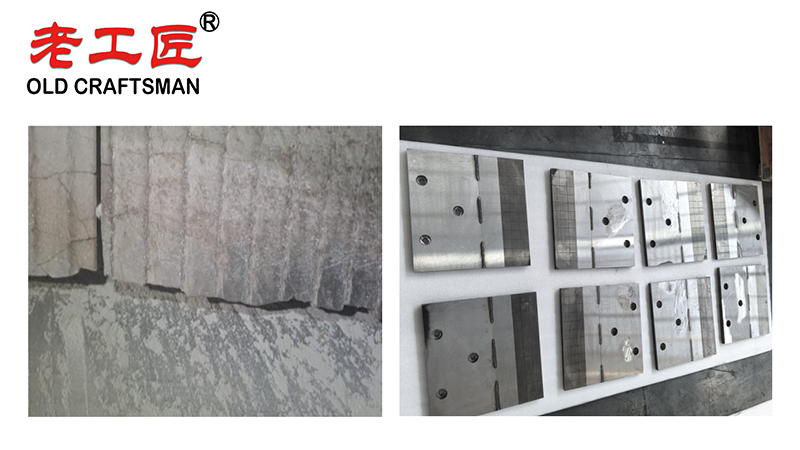
Why Are They So Important?
If a mining conveyor uses only rubber or mild steel liners, three expensive problems occur:
1. Belt Rips and Punctures
The biggest threat to a conveyor is a piece of sharp metal or rock getting stuck between the belt and the roller. Carbide drag plates prevent “spill cut” damage. Because the carbide is so hard, sharp debris crushes against it rather than slicing through the belt.
2. Extreme Wear Resistance
Standard steel plates can wear out in a few weeks under heavy taconite or granite loads. When steel wears, it becomes smooth and thin, eventually exposing the belt to direct abrasion. Carbide drag plates, however, last 3 to 5 times longer. In some mines, a set of carbide plates outlasts five sets of standard steel liners.
3. Reduced Downtime
Mining companies lose millions per hour when a conveyor stops. Changing a worn-out steel plate requires shutting down the system, pulling the belt back, and heavy lifting. Carbide drag plates extend the replacement cycle from weeks to years.
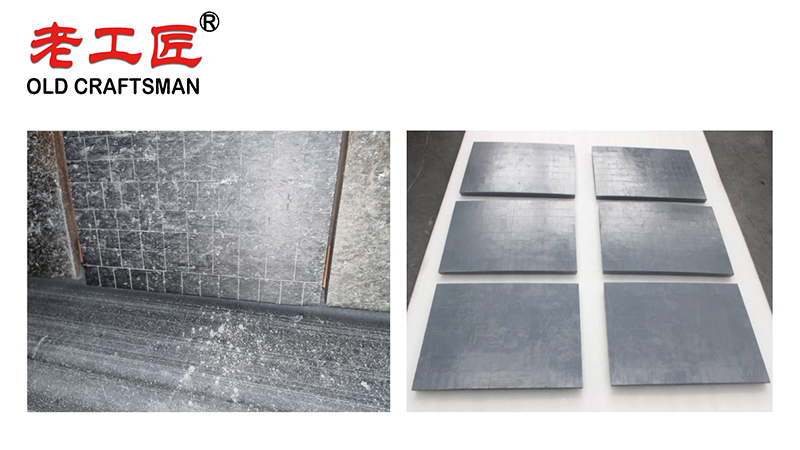
The Bottom Line
Mining Carbide Conveyor Belt Drag Plates are essentially insurance policies for the most expensive asset in the material handling system: the belt itself.
By sacrificing themselves to the constant drag of ore, these hardfaced plates keep the rubber belt safe, keep the material flowing smoothly, and prevent catastrophic punctures. In the high-stakes world of mining, where abrasion is the enemy, tungsten carbide isn’t just a metal—it’s a survival tool. If your conveyor system lacks them, you aren’t just risking a plate; you are risking a shutdown.
“Zhuzhou OC Precision Alloy Co., Ltd. could make tungsten carbide wear parts and make your equipment use life is tens of times longer than before! We specialize in providing customized carbide wear products solutions to meet the demanding requirements of industries such as aerospace, automotive, mining, and precision machining.”
Belt scraper Brazing brazingprocess carbide Carbide belt scraper carbidebrazing carbide hammer Crusher CRUSHER HAMMER HPGR HPGR feed chute liner Informational Internal stress metal mining Refractory Brick Mold Secondary belt cleaner scraper stresses VSI crusher wear plates welding