
When it comes to keeping your conveyor system running efficiently, one question maintenance teams ask constantly is: “How often do we need to replace the belt cleaner?”
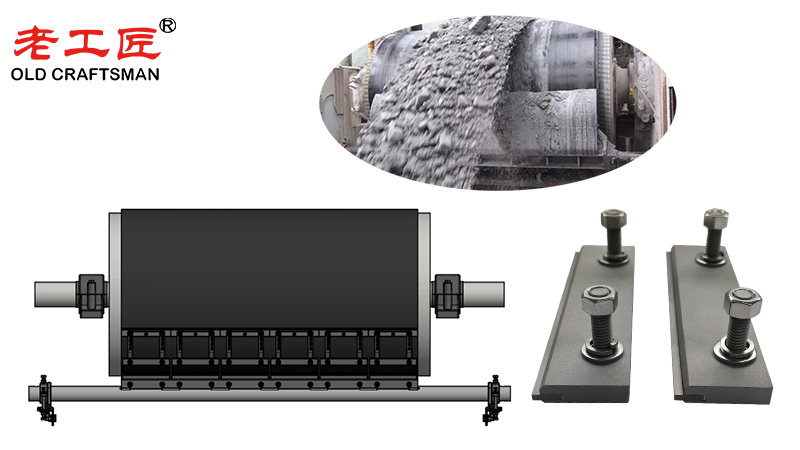
If you’re using standard polyurethane or steel blade cleaners, the answer might be every few weeks or months. But if you’ve upgraded to a vacuum brazed carbide conveyor belt cleaner, the answer changes dramatically: years, not months.
Here’s why.
The Unmatched Durability of Vacuum Brazed Carbide
Traditional cleaners wear down quickly—especially when handling abrasive materials like coal, cement, sand, or iron ore. The constant friction against the belt and trapped debris erodes blades, leading to frequent replacements, unscheduled downtime, and rising maintenance costs.
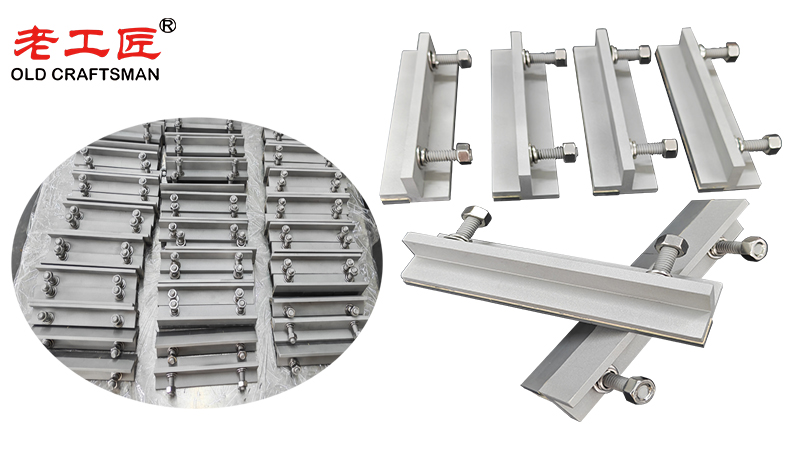
Vacuum brazed carbide technology solves that problem at the molecular level. The process involves bonding solid tungsten carbide tips to a steel base using high-temperature vacuum brazing. The result? A virtually seamless, ultra-hard surface that resists wear like no other.
Key durability advantages:
- Extreme hardness: Tungsten carbide ranks just below diamond on the hardness scale. It shrugs off sharp, heavy, and abrasive materials that would shred steel or polyurethane in days.
- No weak spots: Vacuum brazing eliminates pores or gaps where debris could undercut or loosen the carbide. The bond is complete and permanent.
- Self-sharpening effect: As the blade wears microscopically, fresh carbide edges are exposed, maintaining cleaning efficiency without manual resharpening.
Realistic Replacement Intervals
So, back to the original question: How often should you replace it?
Under typical heavy-duty conditions (24/7 operation, high tonnage, abrasive materials), a quality vacuum brazed carbide cleaner can last 12 to 24 months—sometimes even longer. In moderate applications, you might go 3 to 5 years between changes.
Compare that to standard blades, which may need replacement every 1 to 6 months in similar conditions.
Beyond Longevity: The Hidden Savings
Durability isn’t just about fewer purchases. It means:
- Less downtime – No more monthly shutdowns for blade changes.
- Lower labor costs – Your team spends time on real repairs, not constant cleaner swaps.
- Better belt protection – Worn-out cleaners damage belts; a consistent carbide blade keeps the belt safe.
- Predictable maintenance – Plan replacements annually or bi-annually, not reactively every few weeks.
When Should You Actually Replace It?
Even the toughest carbide blade eventually wears. Replace yours when:
- Cleaning efficiency visibly drops (carryback increases).
- The carbide edge is worn down to <5mm from the steel base.
- You notice belt damage from metal-to-fabric contact (rare with proper installation).
But with vacuum brazed carbide, you’ll see these signs after years—not months—of reliable service.
The Bottom Line
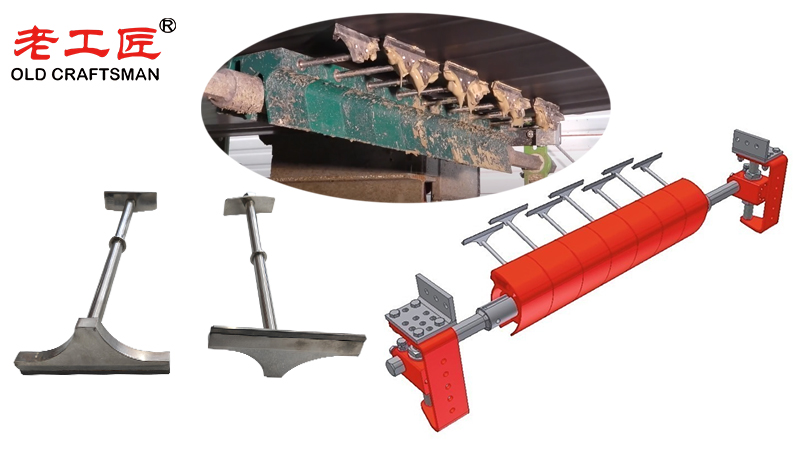
If you’re tired of constantly swapping conveyor belt cleaners, the solution isn’t to replace them more often—it’s to replace them with a harder-working technology. Vacuum brazed carbide cleaners offer exceptional durability, turning a frequent maintenance chore into a rare event. Invest once, and enjoy clean belts and uninterrupted production for years to come.
“Zhuzhou OC Precision Alloy Co., Ltd. could make tungsten carbide wear parts and make your equipment use life is tens of times longer than before! We specialize in providing customized carbide wear products solutions to meet the demanding requirements of industries such as aerospace, automotive, mining, and precision machining.”
Belt scraper Brazing brazingprocess CARBDIE HAMMER carbide Carbide belt scraper carbidebrazing carbide hammer Crusher CRUSHER HAMMER Informational Internal stress metal mining Refractory Brick Mold Secondary belt cleaner scraper stresses VSI crusher wear plates welding