
Carbide drag plates are a specialized component used in conveyor systems, particularly in heavy industries like mining, aggregate processing, and bulk material handling. Their primary function is to correct and prevent conveyor belt misalignment, which is a common cause of accidents such as belt damage, material spillage, and even worker injuries. Here’s how they work to prevent those accidents:
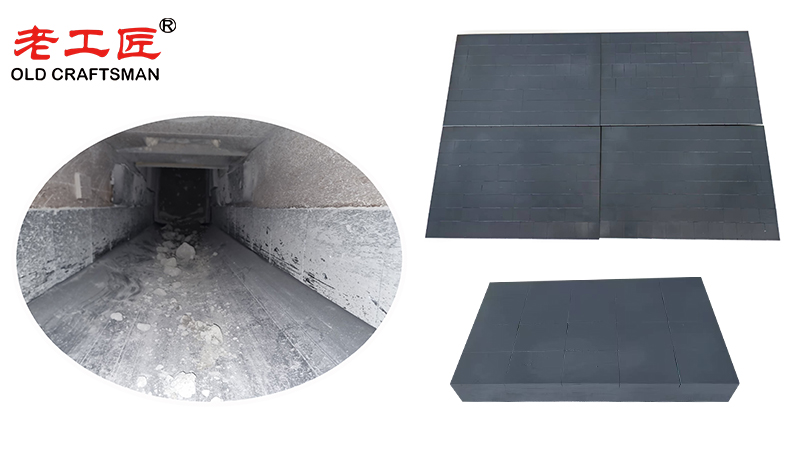
1. Mechanical Realignment Through Friction
Carbide drag plates are installed along the edges of the conveyor belt, typically on the return side or near key transfer points. The plates are embedded with tungsten carbide, a very hard and wear-resistant material. When the belt begins to drift off-center, it contacts the rough, high-friction surface of the carbide drag plate.
- How it prevents accidents: The drag plate applies a corrective lateral force to the belt edge, gently guiding it back toward the center of the idler rollers. This stops misalignment before it becomes severe enough to cause the belt to rub against the conveyor frame or structure.
2. Reducing Edge Damage and Belt Snaking
A misaligned belt often “snakes” (moves back and forth across the idlers), which can lead to frayed belt edges, longitudinal tears, or even complete belt rupture. Carbide drag plates provide a durable, sacrificial surface that the belt contacts instead of sharp steel frames.
- How it prevents accidents: By preventing the belt from rubbing against rigid metal supports, they eliminate a major cause of belt tears and separations. A torn belt can whip violently, endangering nearby workers and causing serious mechanical failures.
3. Minimizing Material Spillage and Fugitive Material
Misalignment often causes material to spill off the sides of the belt, creating piles on the floor. This spilled material is a tripping hazard and can also lead to belt tracking issues when workers try to clean it near moving parts.
- How it prevents accidents: Carbide drag plates keep the belt centered, reducing spillage. Less spillage means fewer worker interventions in hazardous areas (like underneath or alongside a moving conveyor), lowering the risk of entanglement or crushing injuries.
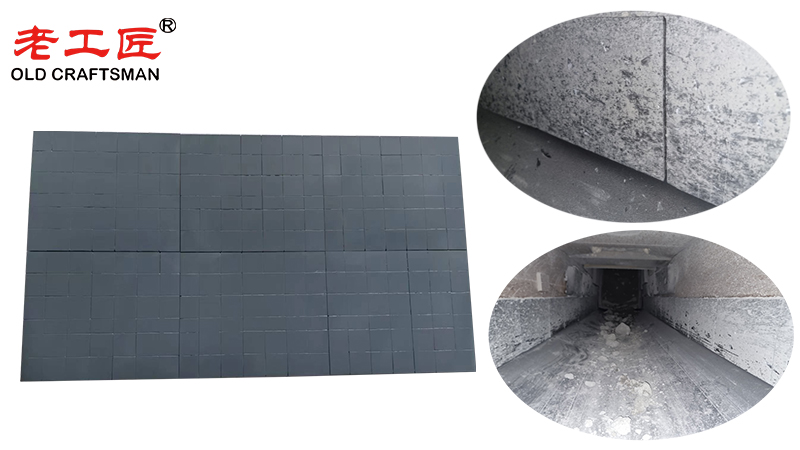
4. Preventing Belt Run-Off at Transfer Points
Conveyor accidents frequently occur at loading zones where material impacts the belt. If the belt misaligns at a transfer point, it can cause material to jam between the belt and the skirting, leading to rapid wear or sudden belt stoppage.
- How it prevents accidents: The drag plates maintain belt alignment even under uneven loading, preventing jams that could cause the belt to buckle or derail. This avoids sudden, unexpected belt movements that might catch a worker off guard.
5. Reducing Maintenance-Related Hazards
Workers often need to manually adjust misaligned belts using tools or by moving idlers. This is a high-risk task because it requires working close to moving components. Carbide drag plates act as passive, self-correcting devices.
- How it prevents accidents: They reduce the need for emergency or frequent maintenance adjustments, keeping personnel safely away from rotating parts, pinch points, and in-running nips.
6. Durability in Harsh Conditions
In wet, muddy, or abrasive environments, conventional rubber tracking devices can wear out quickly and fail, allowing misalignment to develop. Carbide plates maintain their tracking surface much longer.
- How it prevents accidents: Reliable, long-lasting tracking means the belt stays aligned even in extreme conditions, preventing sudden misalignment events that could lead to equipment failure or worker injury.
Key Safety Outcome
By continuously and automatically centering the belt, carbide drag plates prevent the cascade of failures that start with minor drift and end with severe accidents—like belt fires (from friction against stationary parts), structural collapses, or workers being struck by a snapped belt. They are a passive safety device that works without electricity, sensors, or operator intervention, making them a highly reliable component in modern conveyor safety systems.
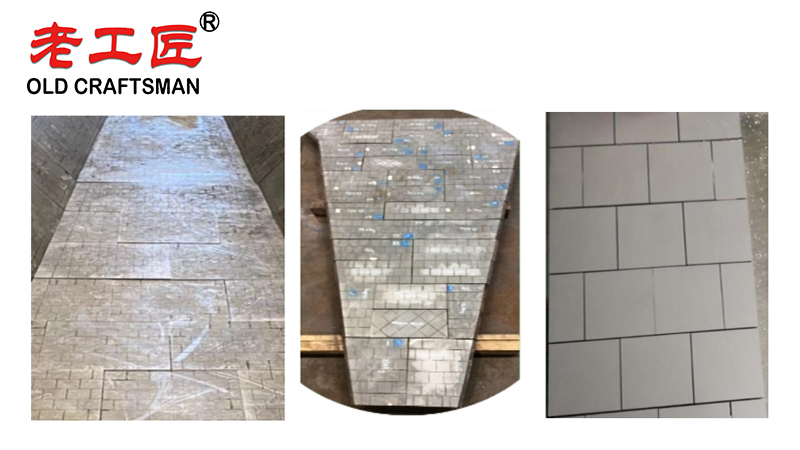
“Zhuzhou OC Precision Alloy Co., Ltd. could make tungsten carbide wear parts and make your equipment use life is tens of times longer than before! We specialize in providing customized carbide wear products solutions to meet the demanding requirements of industries such as aerospace, automotive, mining, and precision machining.”
Belt scraper Brazing brazingprocess CARBDIE HAMMER carbide Carbide belt scraper carbidebrazing carbide hammer Crusher CRUSHER HAMMER Informational Internal stress metal mining Refractory Brick Mold Secondary belt cleaner scraper stresses VSI crusher wear plates welding