
In High-Pressure Grinding Roll (HPGR) systems, achieving maximum comminution efficiency depends heavily on keeping the feed material within the high-pressure crushing zone between the rolls. A common issue in standard setups is edge material bypass—where uncrushed or partially crushed rock slips past the sides of the rolls without experiencing full pressure. To solve this, Old Craftsman developed specialized carbide cheek plates engineered specifically to eliminate lateral leakage and optimize overall throughput.
For abrasive mining applications, Old Craftsman HPGR carbide cheek plates are designed to maintain edge protection and dimensional stability under severe wear conditions.
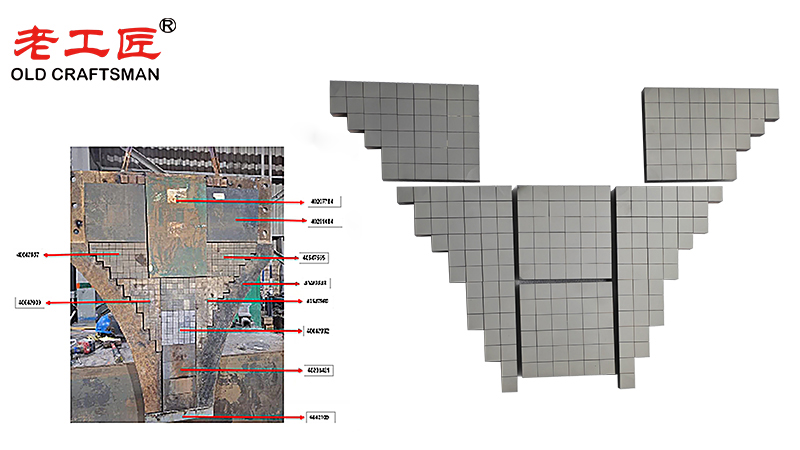
1. Maintaining a Tight Edge-Sealing Profile
The primary function of an HPGR cheek plate is to keep feed material between the two rolls and prevent it from escaping laterally. A smaller clearance between the cheek plate and roll helps reduce material bypass and pressure loss near the roll edges.
As a conventional metal wear surface gradually wears, its profile can change and the clearance can increase. This creates an easier path for abrasive particles to leave the grinding zone.
Old Craftsman uses cemented tungsten carbide wear components on critical cheek-plate surfaces. The high wear resistance of carbide helps the plate retain its working profile for longer, helping maintain effective edge sealing.
2. Reducing Clearance Growth Caused by Wear
Cheek plates operate under continuous contact with abrasive ore. Over time, excessive wear can increase the gap between the cheek plate and roll, allowing more material to bypass the rolls.
Tungsten carbide provides a much more wear-resistant surface than conventional steel in highly abrasive applications. By slowing the rate of profile loss, carbide cheek plates can help:
- Maintain the designed edge geometry
- Control clearance growth
- Reduce lateral material escape
- Preserve more consistent material confinement
This is particularly important when processing hard and abrasive ores.
3. Supporting More Consistent Pressure Distribution
The HPGR compression zone does not naturally maintain the same pressure from the center toward the roll edges. The edge effect causes pressure to decrease near the sides of the rolls. Cheek plates help counter this effect by confining the material and reducing its ability to escape laterally.
When cheek plates become severely worn, the increased bypass flow can further reduce the amount of material receiving effective compression at the edges.
Research using HPGR simulations has shown that improved cheek-plate designs can substantially reduce material bypass, particularly when conventional cheek plates become worn.
4. Protecting the Roll-Edge Area
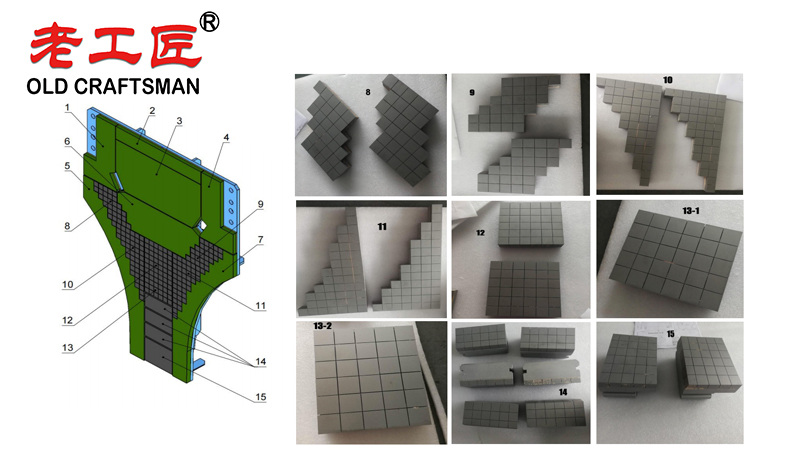
The cheek plate does more than simply contain material. It works together with the roll-edge protection system to manage one of the most severe wear zones in an HPGR.
The material flow and abrasive action are particularly intense around the roll ends, which is why HPGR cheek plates are commonly reinforced with cemented tungsten carbide.
A durable carbide wear surface can help protect the underlying steel structure and reduce the rate at which the working edge profile deteriorates.
5. Helping Maintain Product Consistency
When excessive material bypasses the compression zone, some particles receive less effective crushing than the material passing through the center of the rolls. This can contribute to a coarser edge product and inconsistent product characteristics.
Maintaining effective lateral confinement helps direct a greater proportion of feed through the intended grinding zone. Industry research has linked worn cheek plates with increased bypass flow and changes in HPGR performance.
For operators, this means that cheek-plate wear should be considered not only a maintenance issue, but also a process-performance issue.
6. Why Choose Carbide for Severe HPGR Applications?
Old Craftsman HPGR carbide cheek plates combine a steel support structure with strategically positioned tungsten carbide wear components.
The key advantages include:
| Feature | Benefit |
|---|---|
| Tungsten carbide wear surface | High resistance to abrasive wear |
| Stable working profile | Helps control roll-to-plate clearance |
| Edge protection | Helps reduce lateral material escape |
| Durable wear geometry | Supports longer operating periods |
| Replaceable wear components | Can simplify maintenance depending on design |
| Custom dimensions | Can be manufactured according to HPGR drawings |
Conclusion
Edge material bypass is closely related to the condition and clearance of the HPGR cheek plates. As wear increases, the opening near the roll edge can become larger, allowing more material to escape the compression zone.
By using highly wear-resistant tungsten carbide at critical wear areas, Old Craftsman HPGR carbide cheek plates help maintain the edge-sealing profile for longer, reduce clearance growth, protect the roll-end area, and support more consistent material confinement.
For mining and mineral-processing operations handling highly abrasive feed, properly designed carbide cheek plates can therefore contribute to more stable HPGR performance and longer wear-part service life.
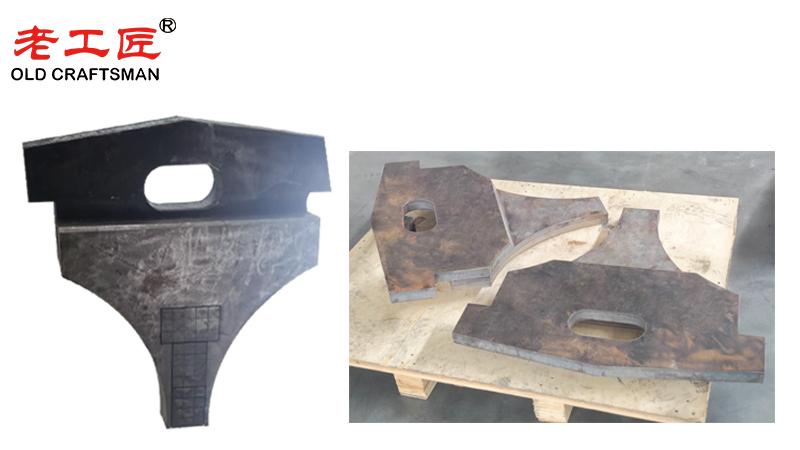
Beyond HPGR Cheek Plates, our extensive portfolio includes a broad spectrum of solutions specifically designed for industries demanding exceptional wear and impact resistance. Our premium offerings include HPGR Wear Parts, durable mining conveyor belt cleaner, robust crusher hammer heads, specialized components for sand-making machines, protective linings for refractory brick molds, and efficient intensive mixer blades.
“Zhuzhou OC Precision Alloy Co., Ltd. could make tungsten carbide wear parts and make your equipment use life is tens of times longer than before! We specialize in providing customized carbide wear products solutions to meet the demanding requirements of industries such as aerospace, automotive, mining, and precision machining.”
Belt scraper Brazing brazingprocess carbide Carbide belt scraper carbidebrazing carbide hammer Crusher CRUSHER HAMMER HPGR HPGR feed chute liner Informational Internal stress metal mining Refractory Brick Mold Secondary belt cleaner scraper stresses VSI crusher wear plates welding