
Refractory brick molds operate under brutal conditions: highly abrasive powders, repeated high-pressure compaction, and the constant threat of edge chipping and thermal fatigue. Carbide tooling already outperforms steel by a wide margin—carbide-lined templates can last 60 to 100 times longer than carbon steel equivalents after repeated regrinding. Yet even the toughest carbide mold will fail prematurely if treated as a consumable rather than a managed asset.
Extending service life is not about finding a single “miracle coating.” It is a system-level discipline that spans mold design, pressing parameters, surface engineering, daily care, and timely reconditioning. Choosing the right carbide grade and maintaining proper operating conditions can help extend mold service life, reduce replacement frequency, and lower production costs.
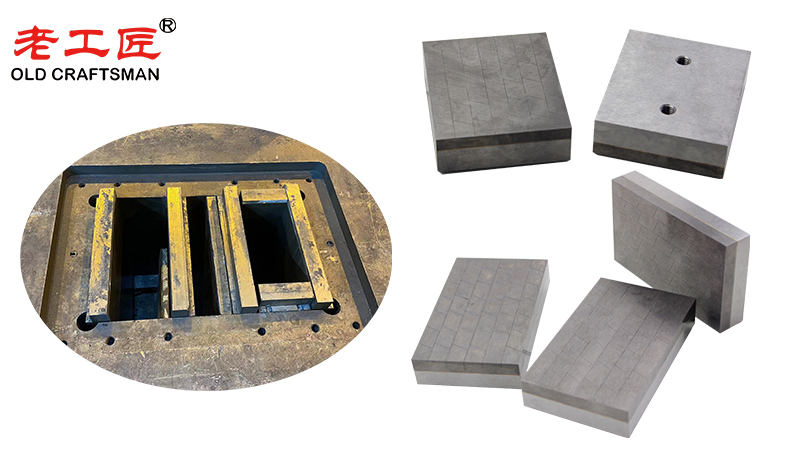
1. Choose the Right Tungsten Carbide Grade
The carbide grade directly affects the mold’s wear resistance, hardness, and toughness. Selecting the appropriate grade based on molding pressure, raw material abrasiveness, and operating conditions is essential.
- High wear resistance: Helps minimize abrasion during repeated pressing cycles.
- Adequate toughness: Reduces the risk of chipping and cracking under high pressure.
- Consistent material quality: Helps ensure stable performance throughout the mold’s service life.
At Zhuzhou Old Craftsman Precision Alloy Co., Ltd., we manufacture customized carbide refractory brick molds for different industrial applications and operating requirements.
2. Optimize Molding Pressure and Operating Conditions
Excessive or uneven pressure can accelerate wear and cause localized damage to the mold. Maintaining stable operating parameters helps distribute stress more evenly.
- Follow the recommended pressing pressure for the refractory material.
- Avoid sudden pressure changes and excessive impact loads.
- Ensure the mold is properly aligned with the pressing equipment.
- Monitor abnormal vibration, noise, or uneven wear during production.
3. Ensure Proper Mold Surface Finish
A suitable surface finish helps reduce friction between the mold and the refractory material, supporting smoother demolding and reducing material buildup.
- Use appropriate grinding and finishing processes.
- Inspect the molding surfaces for scratches, pits, and uneven areas.
- Remove accumulated material before it causes demolding problems.
- Avoid improper polishing or grinding that could damage critical dimensions.
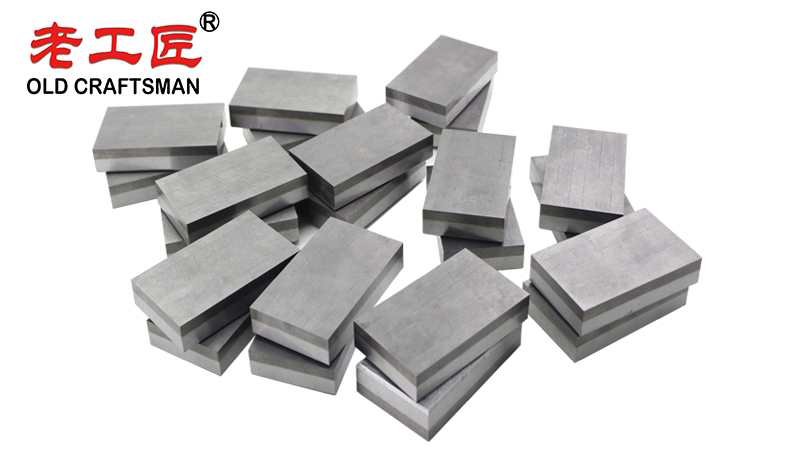
4. Prevent Chipping and Cracking
Although tungsten carbide offers excellent hardness and wear resistance, it is relatively brittle compared with steel. Improper handling or concentrated stress can lead to cracks and edge damage.
- Avoid dropping or striking the mold during installation.
- Ensure proper support and uniform loading.
- Inspect corners, edges, and high-stress areas regularly.
- Follow appropriate installation and removal procedures.
5. Clean and Maintain the Mold Regularly
Refractory powder buildup can affect dimensional accuracy, increase friction, and interfere with demolding. Regular cleaning and inspection help prevent these problems.
- Remove residual refractory material after production as appropriate.
- Check for wear, cracks, and dimensional deviations.
- Store molds in a clean, dry environment when not in use.
- Track service cycles and maintenance records to identify wear trends.
6. Work with an Experienced Carbide Mold Manufacturer
A well-designed mold starts with appropriate material selection, precise machining, and strict quality control. Working with an experienced manufacturer can help address premature wear and improve consistency.
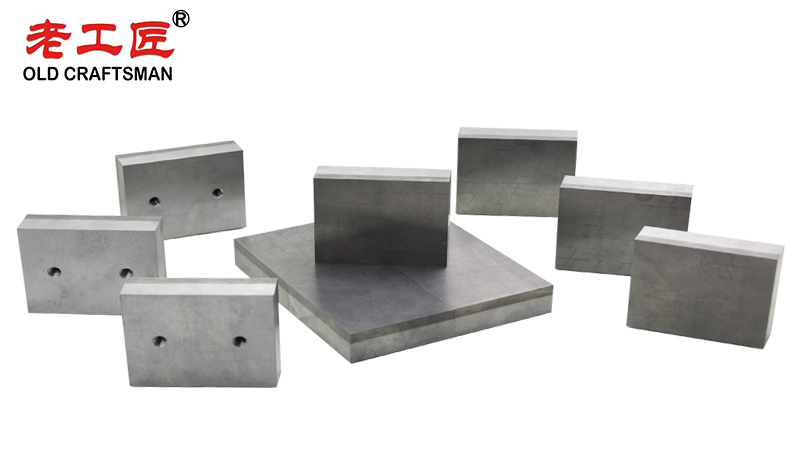
Zhuzhou Old Craftsman Precision Alloy Co., Ltd. specializes in tungsten carbide wear parts and customized industrial carbide components. We can provide refractory brick molds according to customer drawings, dimensions, and application requirements.
Conclusion
Extending the service life of a carbide refractory brick mold requires more than selecting a hard material. The right carbide grade, optimized pressing conditions, precision surface finishing, careful handling, and regular maintenance all contribute to longer mold life and lower operating costs.
Beyond refractory brick molds, our extensive portfolio includes a broad spectrum of solutions specifically designed for industries demanding exceptional wear and impact resistance. Our premium offerings include HPGR Wear Parts, durable mining conveyor belt cleaner, robust crusher hammer heads, specialized components for sand-making machines, protective linings for carbide wear liners, and efficient intensive mixer blades.
“Zhuzhou OC Precision Alloy Co., Ltd. could make tungsten carbide wear parts and make your equipment use life is tens of times longer than before! We specialize in providing customized carbide wear products solutions to meet the demanding requirements of industries such as aerospace, automotive, mining, and precision machining.”
Looking for a reliable Carbide Refractory Brick Mold Manufacturer? Contact Zhuzhou Old Craftsman Precision Alloy Co., Ltd. to discuss your application and customized mold requirements.
Belt scraper Brazing brazingprocess carbide Carbide belt scraper carbidebrazing carbide hammer Crusher CRUSHER HAMMER HPGR HPGR feed chute liner Informational Internal stress metal mining Refractory Brick Mold Secondary belt cleaner scraper stresses VSI crusher wear plates welding