
Abrasive mixing is one of the quietest destroyers of plant economics. A blade that looks robust on Day 1 can lose its geometry, its mixing efficiency, and eventually its structural integrity long before the maintenance schedule says it should. In slurries loaded with silica, mineral fillers, ceramic powders, or cementitious particles, conventional steel blades are not fighting a fair fight. Tungsten carbide blades change that equation—not simply by being “harder,” but by addressing the specific mechanisms through which abrasive mixtures degrade mixing tools. With excellent hardness, wear resistance, and compressive strength, tungsten carbide blades help maintain consistent mixing performance and extend service life in demanding applications.
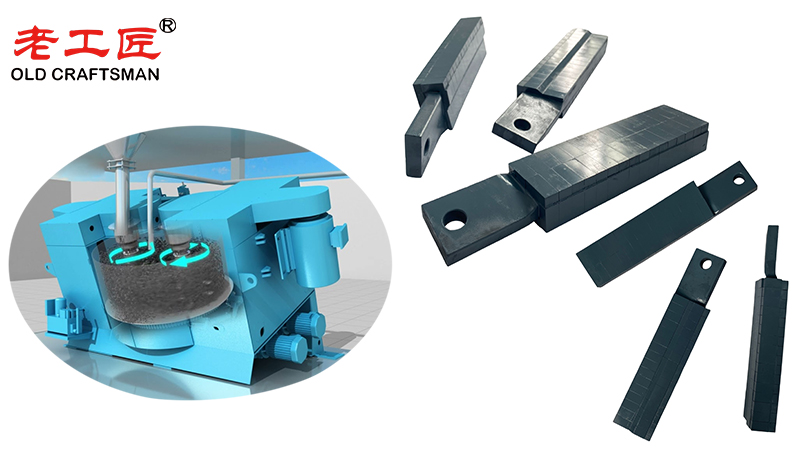
1. Excellent Resistance to Abrasive Wear
Abrasive materials such as sand, cement, silica, minerals, and refractory powders can gradually wear down conventional steel blades. Tungsten carbide has exceptional hardness, allowing blades to resist scratching, erosion, and material loss during continuous mixing operations.
2. Maintains Stable Blade Geometry
During intensive mixing, blade edges are constantly exposed to friction and impact. Tungsten carbide blades maintain their cutting edges and working profiles for longer, helping ensure consistent material movement and mixing efficiency.
3. Handles High-Intensity Mixing Conditions
Industrial mixers often operate under heavy loads and demanding working conditions. Properly selected tungsten carbide grades offer a combination of high hardness and good toughness, helping blades withstand repeated mechanical stress while reducing premature wear.
4. Reduces Maintenance and Replacement Costs
Frequent blade replacement can lead to production interruptions and increased maintenance expenses. Tungsten carbide blades offer longer wear life in abrasive applications, reducing downtime and improving overall equipment productivity.
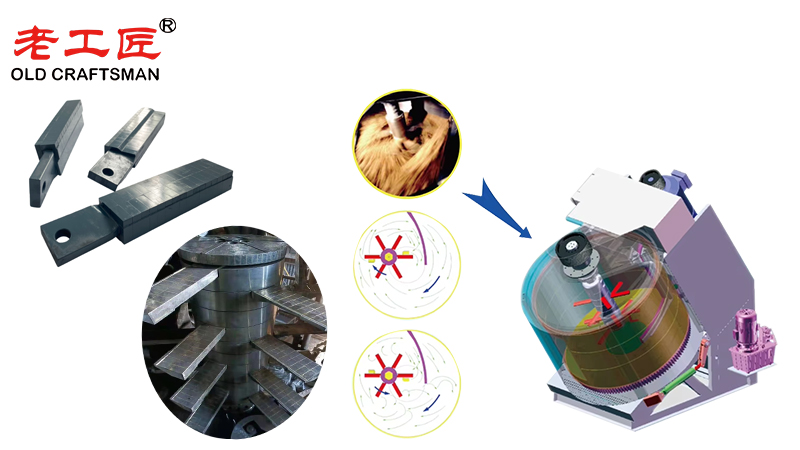
5. Suitable for Various Abrasive Mixing Applications
Tungsten carbide blades can be customized for different industrial mixing environments, including:
·Chemical and ceramic material processing
·Cement and concrete mixing
·Refractory material mixing
·Dry powder and mineral mixing
·Intensive mixing equipment
6. Custom Grades and Designs for Different Applications
Different abrasive materials require different combinations of hardness and toughness. Selecting the right tungsten carbide grade, blade geometry, and brazing method is essential for achieving reliable performance.
At Zhuzhou Old Craftsman Precision Alloy Co., Ltd., we manufacture customized tungsten carbide intensive mixer blades for demanding industrial applications.
Our manufacturing capabilities include precision grinding, vacuum brazing, and customized carbide solutions to meet different equipment designs and operating conditions.
Beyond tungsten carbide mixer blades, our extensive portfolio includes a broad spectrum of solutions specifically designed for industries demanding exceptional wear and impact resistance. Our premium offerings include HPGR Wear Parts, durable mining wear liner plates, mining carbide conveyor belt cleaner, specialized components for sand-making machines, protective linings for refractory brick molds, and efficient crusher hammers.
“Zhuzhou OC Precision Alloy Co., Ltd. could make tungsten carbide wear parts and make your equipment use life is tens of times longer than before! We specialize in providing customized carbide wear products solutions to meet the demanding requirements of industries such as aerospace, automotive, mining, and precision machining.”
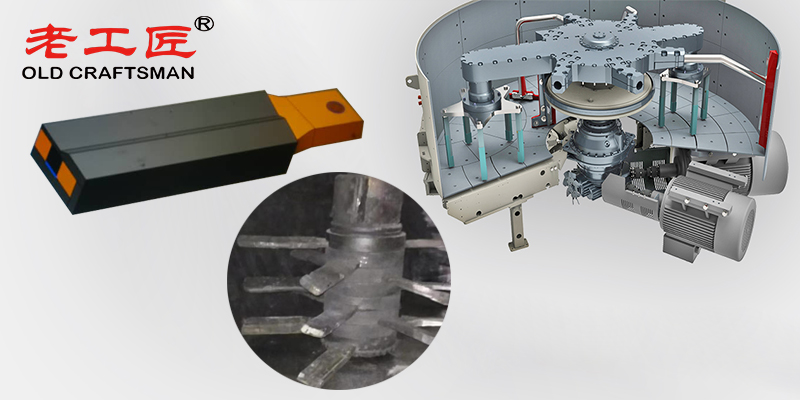
Looking for longer-lasting mixer blades?
Contact Old Craftsman to discuss your drawings, material requirements, and application conditions. We can help you find a suitable tungsten carbide blade solution.
Belt scraper Brazing brazingprocess carbide Carbide belt scraper carbidebrazing carbide hammer Crusher CRUSHER HAMMER HPGR HPGR feed chute liner Informational Internal stress metal mining Refractory Brick Mold Secondary belt cleaner scraper stresses VSI crusher wear plates welding