
Since 1893, German scientists have used tungsten trioxide and carbon to be heated to a high temperature in an electric furnace to produce tungsten carbide, and tried to use its high melting point and high hardness to produce wire drawing dies in order to replace diamond materials.
However, due to its brittleness, easy cracking and low toughness, tungsten carbide has not been used in industrial applications. In the 1920s, German scientist Karl Schroter discovered that pure tungsten carbide cannot adapt to the drastic stress changes formed in the drawing process. Only by adding low-melting metal to WC can the roughness be made without reducing the hardness, which has certain degree of toughness.
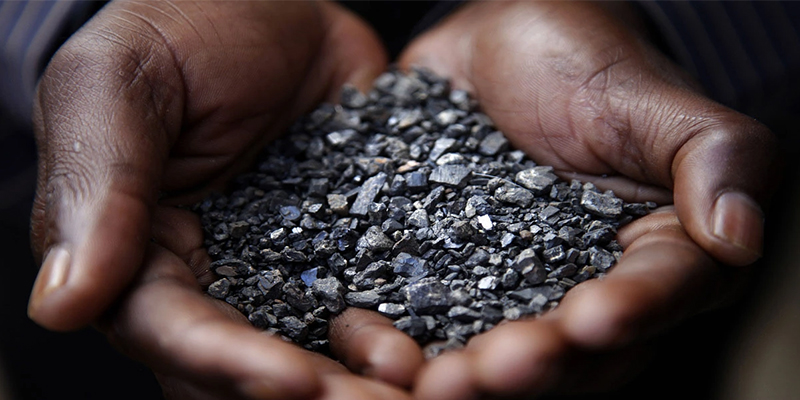
Schroter first proposed the method of powder metallurgy in 1923, that is, tungsten carbide is mixed with a small amount of iron group metals (iron, nickel, cobalt), then pressed into a shape and sintered in hydrogen at a temperature higher than 1300°C to produce a hardness alloy Patents.
Tungsten, a transition metal with atomic number 74 on the periodic table, is renowned for its high density, highest melting point among metals, exceptionally high boiling point, and superior tensile strength. As a chemical compound, tungsten carbide—often referred to as cemented carbide—emerged in the early 20th century, with the history of tungsten carbide cutting tools tracing back to developments in Germany during the 1920s, leading to widespread commercialization in the United States and beyond. This material offers outstanding wear resistance, corrosion resistance, and the ability to maintain hardness even at higher temperatures, making it ideal for a wide range of applications, including tungsten carbide mining brazed wear parts. At room temperature, it exhibits remarkable stability, far surpassing traditional tool steels in durability and performance. (Toggle the table of contents on Wikipedia, the free encyclopedia, for more details on its properties and uses.) Note that while cobalt in some alloys can trigger reactions in the immune system for sensitive individuals, pure tungsten carbide is generally inert.
Tungsten carbide, a chemical compound of transition metals tungsten and carbon, stands as one of the most critical engineered materials of the modern age. Its story is deeply intertwined with the history of industrial progress, particularly in metalworking and mining.
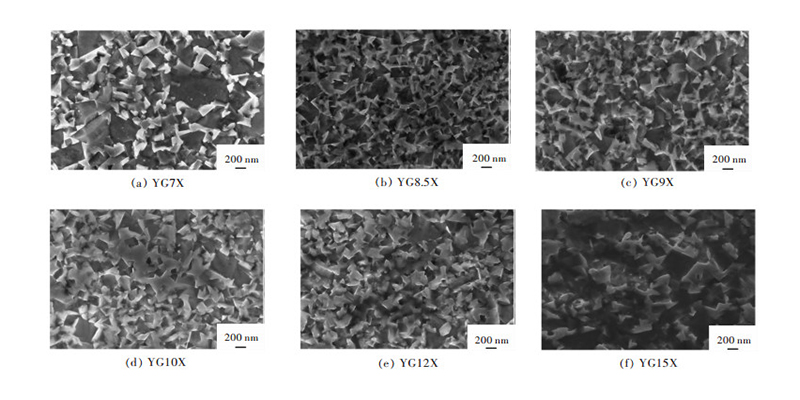
The element tungsten itself, with atomic number 74 on the periodic table, is notable for having the highest melting point of all metals. However, in its pure form, it is relatively soft. The breakthrough came with the development of cemented carbide in the 1920s in Germany. This process involves sintering tungsten carbide powder with a cobalt binder, creating a composite material that combines extreme hardness with useful tensile strength. This invention revolutionized the history of tungsten carbide cutting tools, allowing for machining at speeds and feeds impossible with traditional steel tools, dramatically boosting manufacturing efficiency.
A key to its dominance is its exceptional suite of properties. While it does not have the absolute highest melting point of its pure metal form, it retains a very high melting point, allowing it to perform in high-temperature environments. It possesses extraordinary wear resistance, making it ideal for applications where components are subjected to constant abrasion. This is perfectly exemplified by tungsten carbide mining brazed wear parts, such as drill bits, road planer teeth, and excavator tips. Brazed onto heavier steel bodies, these parts allow massive machinery to cut through rock and earth with minimal downtime for replacement.
Furthermore, it offers corrosion resistant qualities in many environments and has a very high density, giving it substantial heft and momentum in cutting and drilling applications. Its utility extends across a wide range of sectors beyond mining and machining, including oil and gas, aerospace, and even medical devices—though it is worth noting that cobalt from some carbide grades can cause issues for the human immune system in specific implant scenarios.
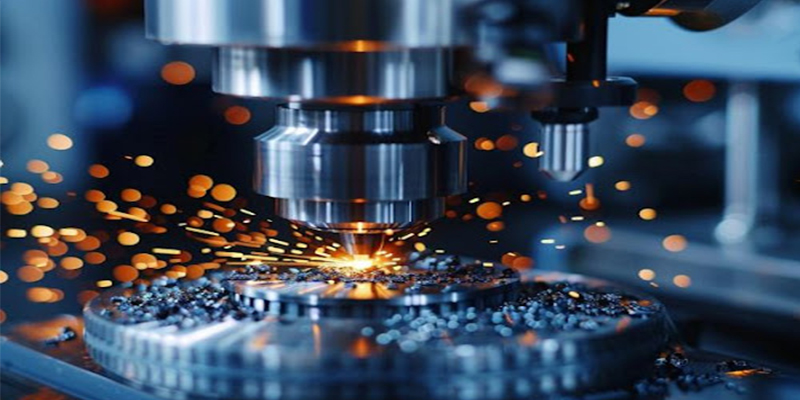
From its origins in German labs to its mass production and refinement in the United States and globally, tungsten carbide has proven indispensable. It operates reliably at room temperature and maintains its integrity at a higher temperature than most competing materials. Its unique combination of hardness, density, and durability ensures that this chemical compound remains at the forefront of industrial innovation, quite literally shaping the world through cutting, drilling, and enduring wear.
Belt scraper Brazing brazingprocess CARBDIE HAMMER carbide Carbide belt scraper carbidebrazing carbide hammer Crusher CRUSHER HAMMER Informational Internal stress metal mining Refractory Brick Mold Secondary belt cleaner scraper stresses VSI crusher wear plates welding