
In cement manufacturing, grinding is notoriously one of the most energy-intensive and cost-heavy phases of production. Whether operating traditional ball mills or modern High-Pressure Grinding Rolls (HPGR), plant managers are constantly looking for ways to trim operating expenditures (OPEX) without compromising throughput.
One of the most effective yet frequently overlooked levers for cost reduction lies in a seemingly small component: tungsten carbide studs.
Choosing the right carbide studs for your HPGR rollers can dramatically alter your plant’s bottom line. Here is a closer look at how proper selection translates into significant cost savings.
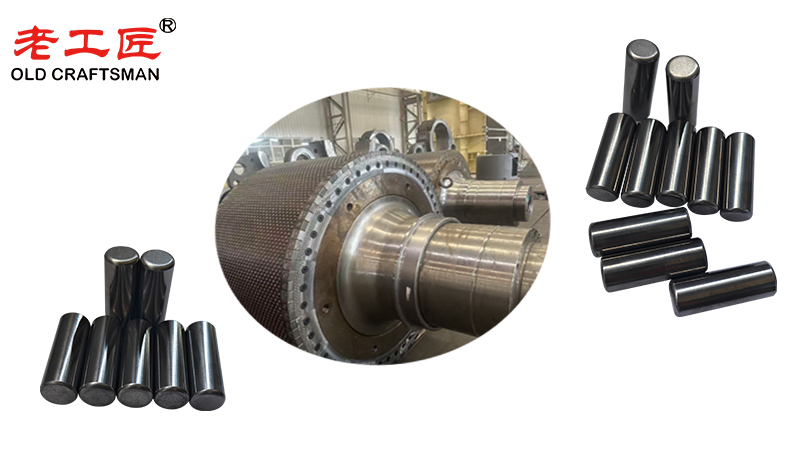
Why Carbide Studs Matter in Cement Grinding
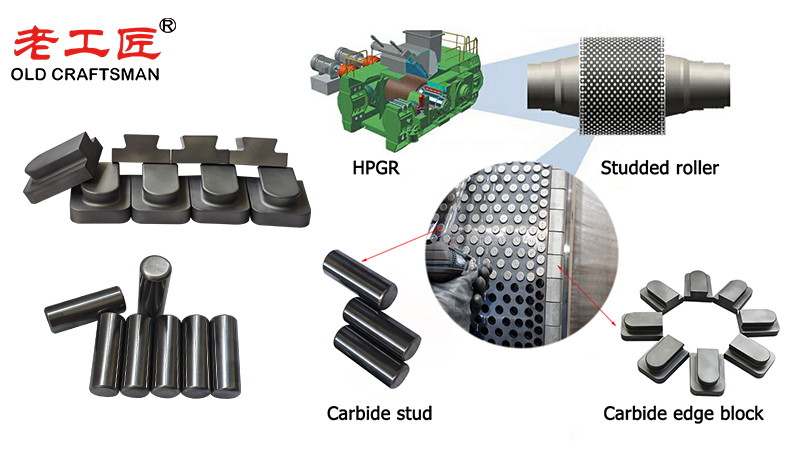
HPGR technology relies on inter-particle comminution, where material is crushed under extremely high pressure between two counter-rotating rollers. The surface of these rollers is embedded with hard, wear-resistant carbide studs (often referred to as hardfacing pins).
Because cement clinker is abrasive and operating pressures are immense, the roller surface faces severe wear, thermal stress, and impact. When studs fail prematurely, it leads to uneven wear patterns, lower grinding efficiency, unscheduled downtime, and expensive roller refurbishments.
Key Factors in Proper Carbide Stud Selection
Selecting the optimal carbide studs isn’t a one-size-fits-all decision. Several critical engineering factors must be evaluated:
- Cobalt Content and Tungsten Carbide Grain Size: The balance between hardness and toughness is dictated by the binder (cobalt) percentage and the carbide grain size. A finer grain size increases hardness and wear resistance, while a higher cobalt content improves fracture toughness against impact from large clinker lumps.
- Stud Geometry and Profile: Different head shapes—such as domed, flat, or conical—affect the formation of the autogenous wear layer (the layer of compressed material that protects the roller body). The right profile ensures optimal grip, pressure distribution, and self-healing wear protection.
- Dimensions and Density/Spacing: The diameter, protrusion height, and pattern spacing of the studs determine how efficiently pressure is transferred to the cement bed and how evenly wear distributes across the roller surface.
How Smart Selection Lowers Grinding Costs
By investing time in selecting the precise carbide stud specification for your specific clinker feed and operating conditions, cement plants can achieve measurable financial benefits:
1. Extended Roller Lifespan and Reduced Maintenance
High-quality studs engineered for superior wear and impact resistance drastically reduce the frequency of roller overhauls. Instead of frequent welding repairs or early roller replacements, properly matched studs can last significantly longer, cutting spare parts expenditures.
2. Elimination of Unscheduled Downtime
Unexpected HPGR failures disrupt the entire cement production line, leading to costly lost output. Premium studs designed to resist chipping and catastrophic cracking ensure reliable, predictable campaign lives.
3. Optimized Energy Efficiency
An optimized stud pattern and profile maintain a stable autogenous wear layer. This stability ensures consistent nip angle and pressure distribution, which maximizes comminution efficiency and reduces specific energy consumption (kWh per ton of cement produced).
Conclusion
Proper carbide stud selection is an effective way to improve HPGR reliability and control cement grinding costs. By balancing wear resistance, toughness, dimensional accuracy, and service life, cement plants can reduce maintenance frequency and achieve a lower total cost per ton.
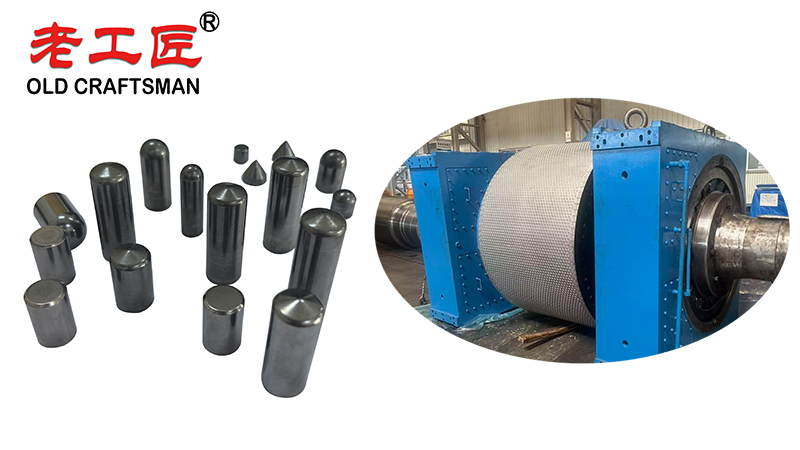
Beyond HPGR Carbide Studs, our extensive portfolio includes a broad spectrum of solutions specifically designed for industries demanding exceptional wear and impact resistance. Our premium offerings include HPGR Wear Parts, durable mining conveyor belt cleaner, robust crusher hammer heads, specialized components for sand-making machines, protective linings for refractory brick molds, and efficient intensive mixer blades.
“Zhuzhou OC Precision Alloy Co., Ltd. could make tungsten carbide wear parts and make your equipment use life is tens of times longer than before! We specialize in providing customized carbide wear products solutions to meet the demanding requirements of industries such as aerospace, automotive, mining, and precision machining.”
Looking for reliable HPGR carbide studs for your cement grinding operation? Contact Zhuzhou Old Craftsman Precision Alloy Co., Ltd. to discuss your drawings, operating conditions, and customized wear part requirements.
Website: https://www.zzcraftsman.com/
Belt scraper Brazing brazingprocess carbide Carbide belt scraper carbidebrazing carbide hammer Crusher CRUSHER HAMMER HPGR HPGR feed chute liner Informational Internal stress metal mining Refractory Brick Mold Secondary belt cleaner scraper stresses VSI crusher wear plates welding