
Unplanned shutdowns in conveyor systems are often caused by a hidden culprit: material carryback. This is the residual ore, coal, or aggregate that sticks to the return side of the belt after the primary discharge.
If left unaddressed, this carryback builds up on idlers and pulleys, causing belt misalignment, abrasive wear, and even friction fires. The result is unplanned downtime for cleanup, component replacement, and safety interventions.
Switching to a Vacuum Brazed Carbide Scraper offers a mechanical solution to this root cause, moving from reactive repairs to proactive reliability.
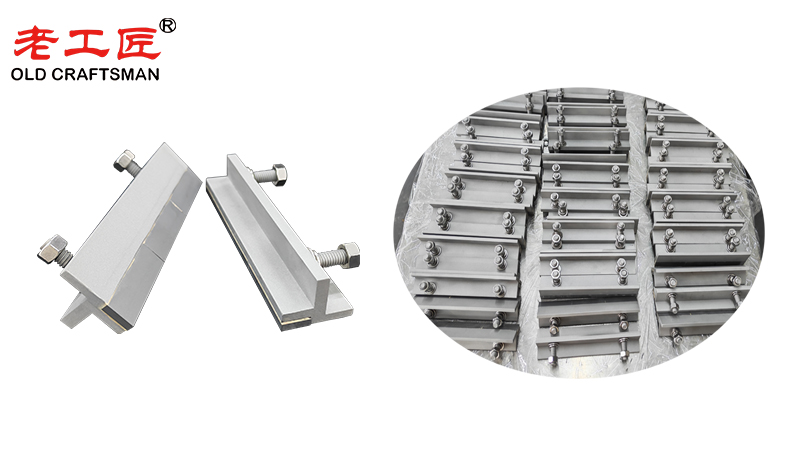
🔧 The Technology: Why Vacuum Brazed Carbide?
Standard scrapers (urethane or steel) wear down rapidly in high-abrasion environments, losing contact with the belt and allowing carryback to pass through -4. The effectiveness of a carbide scraper lies in two specific manufacturing features:
- Tungsten Carbide Tips (HRA 89–93): This material is second only to diamond in hardness. It lasts 3 to 5 times longer than standard induction-welded scrapers and up to 20 times longer than steel, providing a self-sharpening edge that maintains constant cleaning pressure.
- Vacuum Brazing Process: Unlike traditional welding, this process creates a molecular-level bond between the carbide and the steel body without oxidation. This eliminates micro-voids, ensuring the tip can withstand high-impact prying without snapping off .
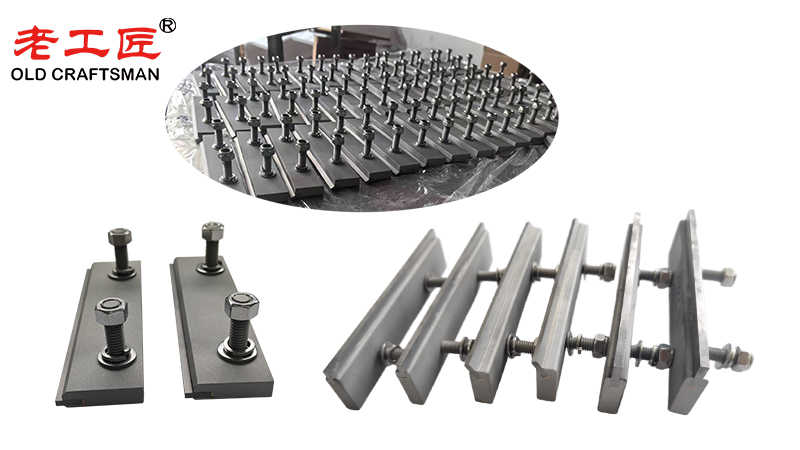
📊 Quantitative Impact on Downtime
Implementing these durable scrapers shifts the maintenance curve from frequent, unplanned stops to scheduled, predictable interventions. The table below summarizes typical performance gains based on documented case studies:
| Metric | Typical Improvement | Source |
|---|---|---|
| Unplanned Downtime | Reduction from ~20 hrs/month to ~3 hrs/month | -3 |
| Maintenance Costs | Reduction of 40% to 70% | -4-7 |
| Scraper Service Life | Extended by 3x to 5x (e.g., from 3 to 12 months) | -4-5 |
| Belt Cleanliness | Improvement of 35% or more (reducing carryback by 90-95%) | -2-4 |
| Production Efficiency | Gains of 20% due to reduced stops | -4 |
🛠️ Implementing the Solution
To maximize the reduction of unplanned shutdowns, follow these three practical steps:
- Install a Dual System (Primary + Secondary) : A primary cleaner removes the bulk of the material, while the secondary cleaner (where carbide excels) removes the fine, sticky film. Using both can achieve >90% cleaning efficiency.
- Choose the Right “Type” for Your Material:
- P-Type: Best for high abrasion (Iron Ore, Taconite).
- H-Type: Designed for high impact (Coal, Large Rock).
- R-Type: Ideal for tight spaces and reversing belts (Underground mining).
- Proactive “Round-Trip” Strategy: During scheduled downtime, aggressively remove heavy buildup. During system restart, use the precision edge to “white metal” clean sealing surfaces, ensuring perfect fits and eliminating post-maintenance leaks .
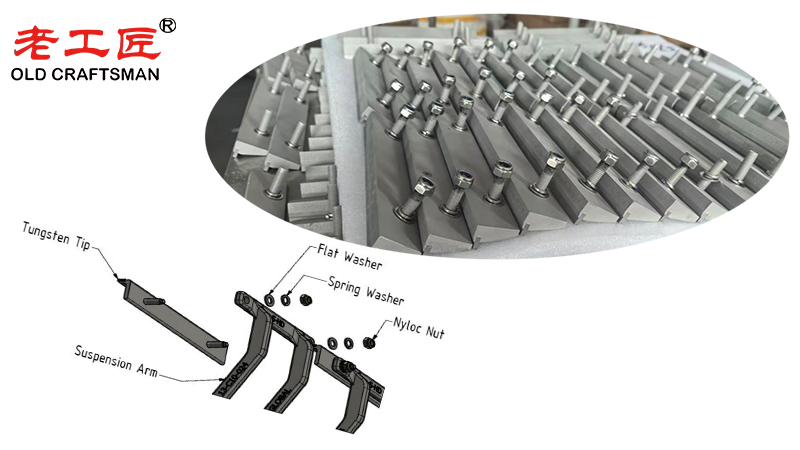
💰 Total Cost of Ownership (TCO)
While the initial purchase price of a tungsten carbide scraper is higher (approx. 30% more than polyurethane), the total operating cost can drop by as much as 58% over the life of the equipment due to reduced labor, less replacement inventory, and eliminated spillage cleanup .
By eliminating the root cause of fouling-induced failures, vacuum brazed carbide scrapers protect OEM surface tolerances and deliver safer, more reliable conveyor operation.
“Zhuzhou OC Precision Alloy Co., Ltd. could make tungsten carbide wear parts and make your equipment use life is tens of times longer than before! We specialize in providing customized carbide wear products solutions to meet the demanding requirements of industries such as aerospace, automotive, mining, and precision machining.”
Belt scraper Brazing brazingprocess carbide Carbide belt scraper carbidebrazing carbide hammer Crusher CRUSHER HAMMER HPGR HPGR feed chute liner Informational Internal stress metal mining Refractory Brick Mold Secondary belt cleaner scraper stresses VSI crusher wear plates welding