
Manufacturing high-performance refractory bricks demands tooling that can withstand extreme environments. From high-temperature kilns to heavy industrial furnaces, refractory bricks are built to endure harsh conditions—and the molds used to press and shape them must be equally resilient.
Among all available materials, tungsten carbide has emerged as the gold standard and ultimate choice for refractory brick molds. Tungsten carbide is an excellent choice for refractory brick molds because of its exceptional hardness, wear resistance, and ability to maintain precise dimensions under demanding production conditions.
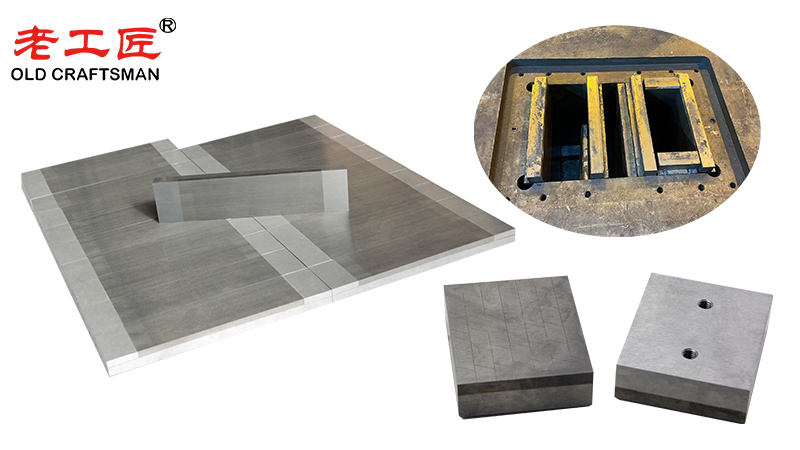
1. Exceptional Hardness and Wear Resistance
Refractory materials often contain abrasive particles that gradually wear down conventional steel molds. Tungsten carbide offers significantly higher hardness and excellent resistance to abrasive wear, helping mold surfaces retain their original shape during repeated pressing cycles.
This advantage is particularly valuable for manufacturers producing large quantities of refractory bricks, where mold wear can affect product consistency and increase replacement frequency.
2. Excellent Dimensional Stability
Accurate dimensions are essential for producing refractory bricks that meet strict specifications. As conventional mold materials wear, the resulting bricks may develop dimensional deviations, uneven surfaces, or inconsistent shapes.
Tungsten carbide molds and carbide inserts help maintain critical dimensions over extended production runs. With appropriate material grades and precision grinding, manufacturers can achieve reliable dimensional accuracy and consistent product quality.
3. High Compressive Strength
Refractory brick manufacturing often involves substantial pressing forces. Tungsten carbide combines high hardness with excellent compressive strength, making it suitable for applications involving repeated mechanical loading.
Selecting the right carbide grade is important. A higher-hardness grade may provide better wear resistance, while a tougher grade may be more suitable when the mold is exposed to impact, edge chipping, or uneven loading.
4. Longer Service Life and Lower Maintenance Costs
Although tungsten carbide molds generally require a higher initial investment than conventional steel alternatives, their superior wear resistance can reduce mold replacement frequency and production interruptions.
The potential benefits include:
- Reduced downtime for mold replacement and maintenance.
- More consistent refractory brick dimensions.
- Lower maintenance requirements over the mold’s service life.
- Improved production efficiency and reduced cost per finished brick.
Actual savings depend on the operating conditions, carbide grade, mold design, and production volume.
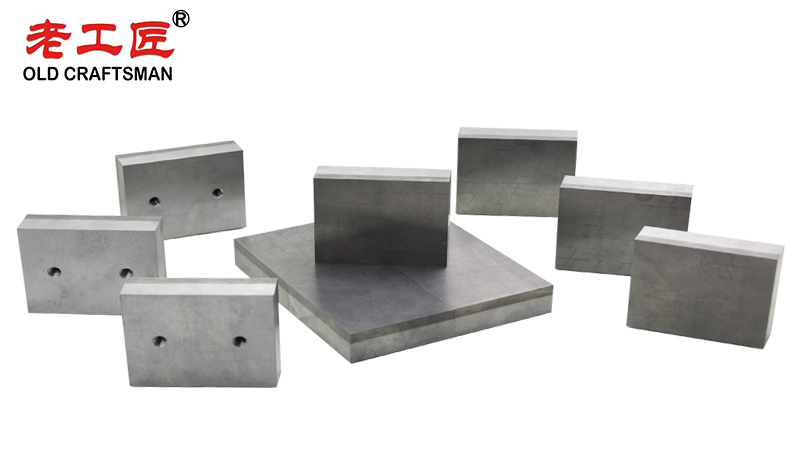
5. Customized Solutions for Different Applications
Not every refractory brick production line has the same requirements. Mold dimensions, pressing pressure, abrasive characteristics, and operating conditions all influence material selection.
At Old Craftsman, tungsten carbide mold components can be manufactured according to customer drawings and application requirements. Depending on the design, solutions may include solid carbide components or carbide inserts integrated into a supporting mold structure.
The appropriate carbide grade, dimensions, tolerances, and surface finish should be selected according to the specific application to balance wear resistance, toughness, manufacturing cost, and service life.
Tungsten Carbide vs. Conventional Steel for Refractory Brick Molds
| Performance factor | Tungsten carbide | Conventional tool steel |
|---|---|---|
| Hardness | Very high | Depends on heat treatment |
| Abrasive wear resistance | Excellent | Generally lower |
| Dimensional stability under abrasive wear | Excellent | More susceptible to wear-related changes |
| Resistance to impact | Grade-dependent; may chip under severe impact | Often better in high-impact conditions |
| Initial material cost | Generally higher | Generally lower |
| Potential maintenance savings | High in suitable applications | Depends on operating conditions |
Conclusion
Tungsten carbide offers a combination of high hardness, excellent wear resistance, and dimensional stability that makes it a strong material choice for refractory brick molds operating under demanding production conditions. By selecting the appropriate carbide grade and optimizing mold design, manufacturers can improve consistency, reduce wear-related downtime, and potentially lower long-term production costs.
Looking for reliable tungsten carbide refractory brick molds? Old Craftsman provides customized carbide components manufactured to customer drawings, helping refractory producers find practical solutions for demanding molding applications. Contact our team to discuss your mold specifications and material requirements.
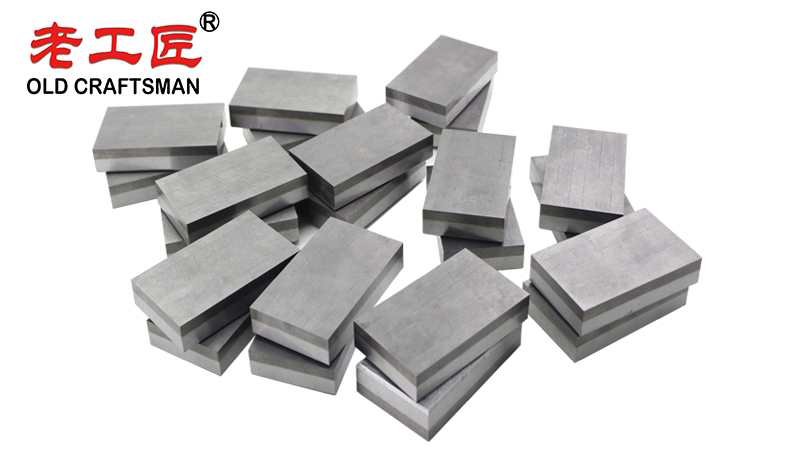
Beyond refractory brick molds, our extensive portfolio includes a broad spectrum of solutions specifically designed for industries demanding exceptional wear and impact resistance. Our premium offerings include HPGR Wear Parts, durable mining conveyor belt cleaner, robust crusher hammer heads, specialized components for sand-making machines, protective linings for carbide wear liners, and efficient intensive mixer blades.
“Zhuzhou OC Precision Alloy Co., Ltd. could make tungsten carbide wear parts and make your equipment use life is tens of times longer than before! We specialize in providing customized carbide wear products solutions to meet the demanding requirements of industries such as aerospace, automotive, mining, and precision machining.”
Belt scraper Brazing brazingprocess carbide Carbide belt scraper carbidebrazing carbide hammer Crusher CRUSHER HAMMER HPGR HPGR feed chute liner Informational Internal stress metal mining Refractory Brick Mold Secondary belt cleaner scraper stresses VSI crusher wear plates welding